

TL;DR:
- Choosing sustainable fibers is important, but how you care for garments and their longevity have a greater environmental impact.
- Smart material choices combined with mindful washing, wearing habits, and durability are essential for reducing your wardrobe’s overall footprint.
Picking a fabric feels simple until you realize the “eco” label on a garment doesn’t always mean what you think. Use-phase factors such as how often you wash a garment, how you dry it, and how long you keep it can rival or even exceed the environmental cost of making that garment in the first place. Material choice is genuinely important, but it’s only one variable in a much larger equation. This article breaks down what actually drives a garment’s impact, compares the most common fibers, and gives you clear steps to shop smarter.
Table of Contents
- What makes clothing material important?
- The lifecycle of your clothing: Where material matters most
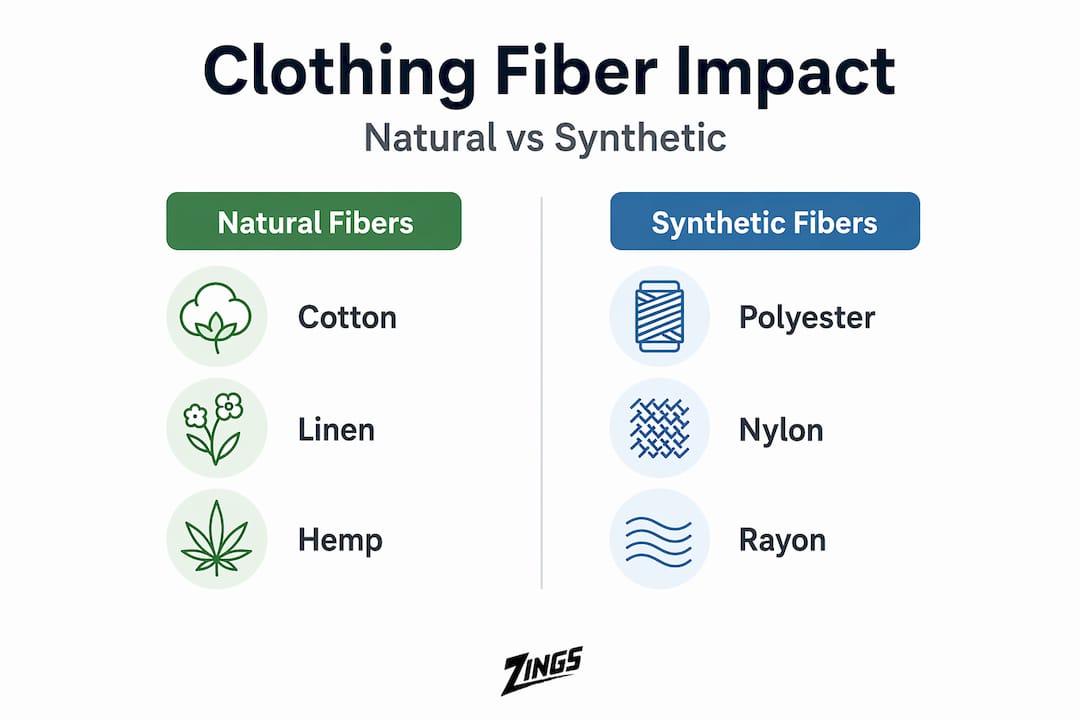
- Comparing popular clothing fibers: Sustainability, impact, and care
- How to shop smarter: Practical steps for sustainable choices
- Our take: Why material choice is just the starting point
- Find sustainable and stylish materials at ZINGS 365
- Frequently asked questions
Key Takeaways
| Point | Details |
|---|---|
| Material isn’t everything | Your garment’s lifecycle—including how you wear and wash it—can matter as much as the initial fabric. |
| No one-size-fits-all | Different fibers offer trade-offs in sustainability, durability, comfort, and care. |
| Consider the context | Labels like ‘organic’ are only meaningful when paired with information about sourcing, processing, and intended use. |
| Longevity trumps novelty | Prioritizing classic styles and sturdy materials lets you wear clothes longer, reducing your total impact. |
| Shop with curiosity | Ask questions, seek third-party certifications, and buy items you truly value for both style and sustainability. |
What makes clothing material important?
Material is the foundation of every garment. It determines how a piece feels against your skin, how long it survives regular wear, and what happens to it after you’re done with it. But the conversation rarely goes deep enough.
Most shoppers scan a label for “100% cotton” or “organic” and assume the job is done. The reality is more layered. A fabric’s environmental footprint depends on where it was grown or made, how it was processed, what energy mix powered that factory, and how you care for the garment at home. A 2026 cradle-to-grave LCA using primary factory data found that organic cotton trousers carried a carbon footprint of 12.23 kg CO₂e, with raw material acquisition alone accounting for 43 to 45 percent of total impact. The “natural vs. synthetic” rule simply does not hold up as a universal guide.
Here is what material actually controls:
- Comfort: Breathability, softness, and moisture management are all fiber-level properties. Cotton breathes well; polyester wicks moisture but can trap heat.
- Durability: Tightly woven synthetics resist pilling and abrasion longer than loosely spun natural fibers. A garment that lasts twice as long has roughly half the per-wear impact.
- Environmental footprint: Water consumption, pesticide use, energy input, and end-of-life recyclability all vary dramatically by fiber type.
- Style and fit: Fiber structure determines drape, stretch, and body. A cotton t-shirt holds its shape differently than a viscose blend.
- Care requirements: Wool needs cold water and flat drying. Linen can handle machine washing but wrinkles easily. Getting care wrong shortens garment life and raises your use-phase footprint.
“Natural vs. synthetic is not a universal rule. Impacts depend heavily on upstream processing, care requirements, and regional energy mixes.” — 2026 LCA research
Understanding these dimensions puts you in a position to make genuinely informed choices rather than relying on marketing shorthand.
The lifecycle of your clothing: Where material matters most
Every garment moves through a predictable set of stages from raw material to disposal. Material selection shapes each stage differently, and knowing where the biggest impacts cluster helps you prioritize.
-
Raw material production. This is often the largest single contributor to a garment’s carbon footprint. Cotton farming uses significant water and pesticides. Polyester production relies on petroleum. Hemp and linen require far fewer inputs but are grown at smaller scale, which affects supply chain efficiency.
-
Processing and manufacturing. Spinning, dyeing, and finishing all consume energy and water. The carbon intensity of the local electricity grid matters enormously here. A cotton shirt dyed in a region powered by coal carries a heavier footprint than the same shirt processed where renewable energy dominates.
-
Transport and distribution. Lighter, compressible fabrics have a smaller shipping footprint per unit. Heavier woven materials or dense knits add weight and bulk, increasing freight emissions. This stage is typically a smaller share of total impact but not negligible.
-
Use phase. This is where most people underestimate their own role. Use-phase impacts including washing frequency, water temperature, drying method, and total garment lifespan can be the second-highest contributor after production and in some cases the largest contributor overall. Washing in cold water and line drying can cut use-phase energy consumption dramatically compared to hot washing and tumble drying.
-
End of life. Natural fibers are generally biodegradable under the right conditions, though synthetic blends complicate breakdown. Recycling infrastructure for textiles remains limited globally, meaning most garments still end up in landfill regardless of fiber type.
Choosing cotton-linen blends or natural-fiber linen shirts for summer can reduce production-stage inputs, but how you care for those garments determines a large share of their total lifetime footprint.
The key takeaway: no single stage tells the whole story. Smart material choice combined with smart garment care delivers the best overall outcome.
Comparing popular clothing fibers: Sustainability, impact, and care
Now let’s compare the most common materials on the market, so you can weigh your options clearly.
| Fiber | Key environmental concern | Durability | Care notes |
|---|---|---|---|
| Conventional cotton | High water and pesticide use | Moderate | Machine wash cold, air dry |
| Organic cotton | Lower pesticide use, but higher carbon footprint possible | Moderate | Same as conventional |
| Polyester | Fossil fuel origin, microfiber shedding | High | Machine wash, low heat dry |
| Recycled polyester | Reduces virgin resource use, microfiber risk remains | High | Use a wash bag to reduce shedding |
| Linen | Low water and pesticide needs, wrinkles easily | Moderate to high | Machine wash gentle, air dry |
| Hemp | Very low input crop, coarser texture | High | Machine wash cold |
| Viscose/rayon | Highest GWP among cellulosics, chemical-intensive processing | Low to moderate | Hand wash or gentle cycle |
| Lyocell (Tencel) | Lower GWP than viscose, closed-loop processing | Moderate | Gentle machine wash, air dry |
A few details worth expanding on:
Cotton is the world’s most widely used natural fiber, but its water footprint is substantial. It takes roughly 10,000 liters of water to produce one kilogram of cotton fiber. Organic certification reduces synthetic pesticide use but does not automatically lower carbon emissions, as the 2026 LCA data confirms.
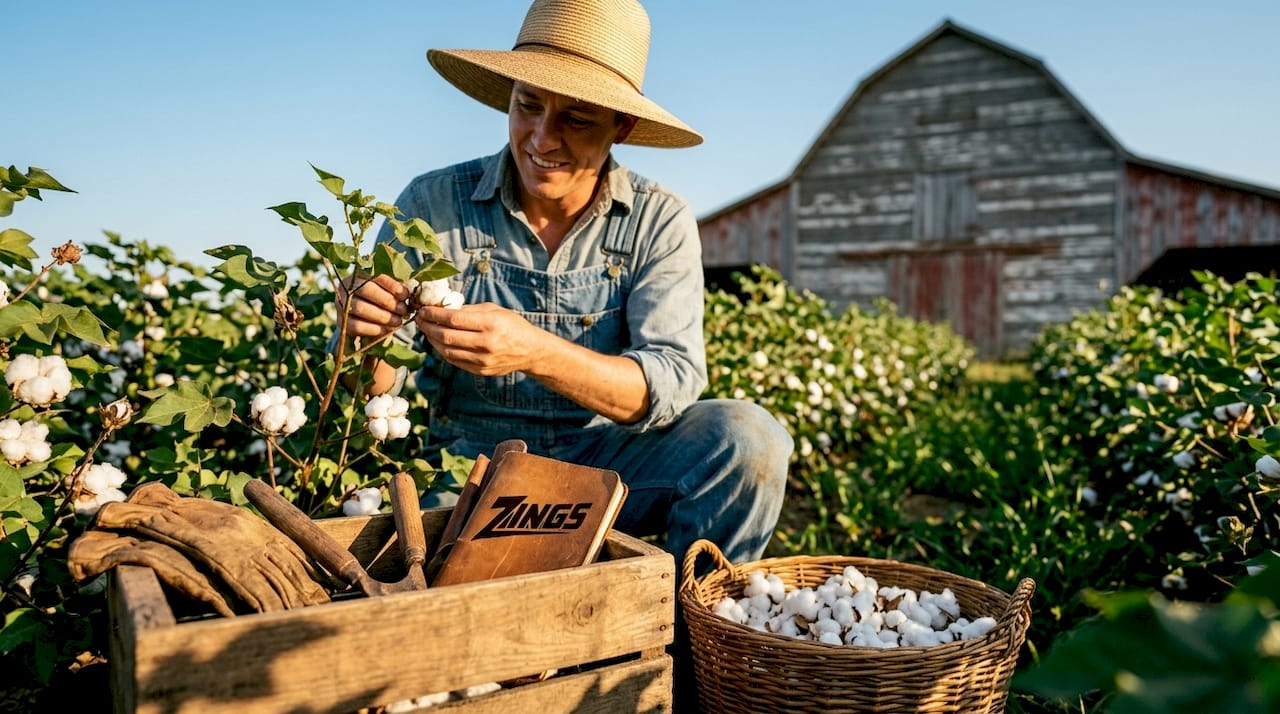
Polyester dominates performance and casual wear because it resists wrinkles, dries fast, and holds color well. A casual sports pant in polyester will outlast many cotton equivalents in terms of shape retention. The trade-off is microplastic shedding with every wash cycle, releasing particles that pass through wastewater treatment and enter waterways.
Linen and hemp are genuinely lower-input crops. Both require minimal irrigation in suitable climates and resist pests naturally. A knitted cotton pullover in a cotton-linen blend gives you the softness of cotton with some of the durability and lower-input benefits of linen.
Man-made cellulosics are a mixed category. Viscose (also called rayon) is derived from wood pulp but involves heavy chemical processing and carries the highest global warming potential among reviewed cellulosic fibers according to a 2025 Springer review. Lyocell, by contrast, uses a closed-loop solvent process that recovers and reuses most chemicals, resulting in a meaningfully lower footprint.
Recycled synthetics like recycled polyester reduce demand for virgin petroleum but do not solve the microfiber problem. Wash bags designed to capture microplastics are a practical mitigation step.
Pro Tip: When shopping for performance or activewear, prioritize recycled synthetics over virgin polyester and always use a microfiber-catching wash bag. For everyday casual wear, linen and lyocell offer a solid balance of lower production impact and good wearability.
How to shop smarter: Practical steps for sustainable choices
Having compared key materials, let’s focus on specific actions you can take in-store or online.
Check certifications, not just buzzwords. Terms like “eco,” “green,” and “sustainable” have no regulated definition in most markets. Credible third-party certifications include GOTS (Global Organic Textile Standard) for organic fibers, OEKO-TEX Standard 100 for chemical safety, and Bluesign for responsible manufacturing. These require audited compliance, not just brand claims.
Understand what LCA data actually tells you. Life cycle assessment (LCA) measures environmental impact across a garment’s full life. Textile Exchange’s cotton LCA studies are specifically designed to address methodology variability and data gaps that have historically made fiber comparisons unreliable. When a brand cites LCA results, check whether the study covers the full lifecycle or just production, and whether it uses current, regionally specific data.
Match material to your actual use habits. A delicate lyocell blouse that requires hand washing will have a higher real-world footprint if you machine wash it on the wrong cycle and it shrinks after three wears. Honest self-assessment of your laundry habits is a legitimate sustainability consideration.
Prioritize classic cuts and versatile colors. A long-sleeved sweater in a neutral tone that works across multiple outfits and seasons delivers more value per wear than a trend-driven piece you’ll retire after one season.
Spot common greenwashing tactics:
- Vague claims with no certification backing (“made with eco-conscious materials”)
- Highlighting one sustainable attribute while ignoring others (recycled zipper on a virgin polyester jacket)
- Using natural imagery and green color palettes without substantive claims
- Carbon offset claims without reduction commitments
| Claim type | What to look for | Red flag |
|---|---|---|
| Organic fiber | GOTS certification number | “Organic-inspired” or no cert |
| Recycled content | GRS (Global Recycled Standard) | Percentage not disclosed |
| Low chemical impact | OEKO-TEX or Bluesign | “Non-toxic” with no standard cited |
| Carbon neutral | Science-based target + offset detail | Offset-only with no reduction plan |
Pro Tip: Before buying, ask one question: “Will I wear this at least 30 times?” Research consistently shows that garments worn fewer than 30 times have a much higher per-wear footprint than those worn regularly over years.
Our take: Why material choice is just the starting point
With practical strategies in hand, it’s worth stepping back to consider a broader perspective.
The sustainable fashion conversation tends to fixate on fiber origin. Is it organic? Is it recycled? Is it natural? These are legitimate questions, but they can create a false sense of completion once you’ve checked the right box. The data tells a different story.
Apparel lifecycle research from 2026 makes clear that use-phase behaviors, specifically how long you keep a garment, how frequently you wash it, and how you dry it, can equal or exceed production-stage impacts. That means a well-chosen garment worn infrequently and washed hot every time can have a worse lifetime footprint than a less “sustainable” material worn regularly and cared for thoughtfully.
The real lever is longevity. A garment you love enough to wear for five years instead of one year cuts its per-wear impact by roughly 80 percent, regardless of fiber type. That’s a bigger gain than switching from conventional to organic cotton while keeping the same wear frequency.
This reframes the shopping decision entirely. Instead of asking “which material is greenest,” ask “which garment will I actually wear the most, care for correctly, and keep the longest?” Style, fit, and personal preference are not frivolous considerations. They are sustainability variables. A piece you genuinely love, like a sweater and pants set that works for multiple occasions, gets worn more often and replaced less often.
Sustainability is not a label. It’s a practice built from buying less, choosing well, and caring thoughtfully.
Find sustainable and stylish materials at ZINGS 365
Ready to put your material knowledge to work in your own wardrobe? Start here.
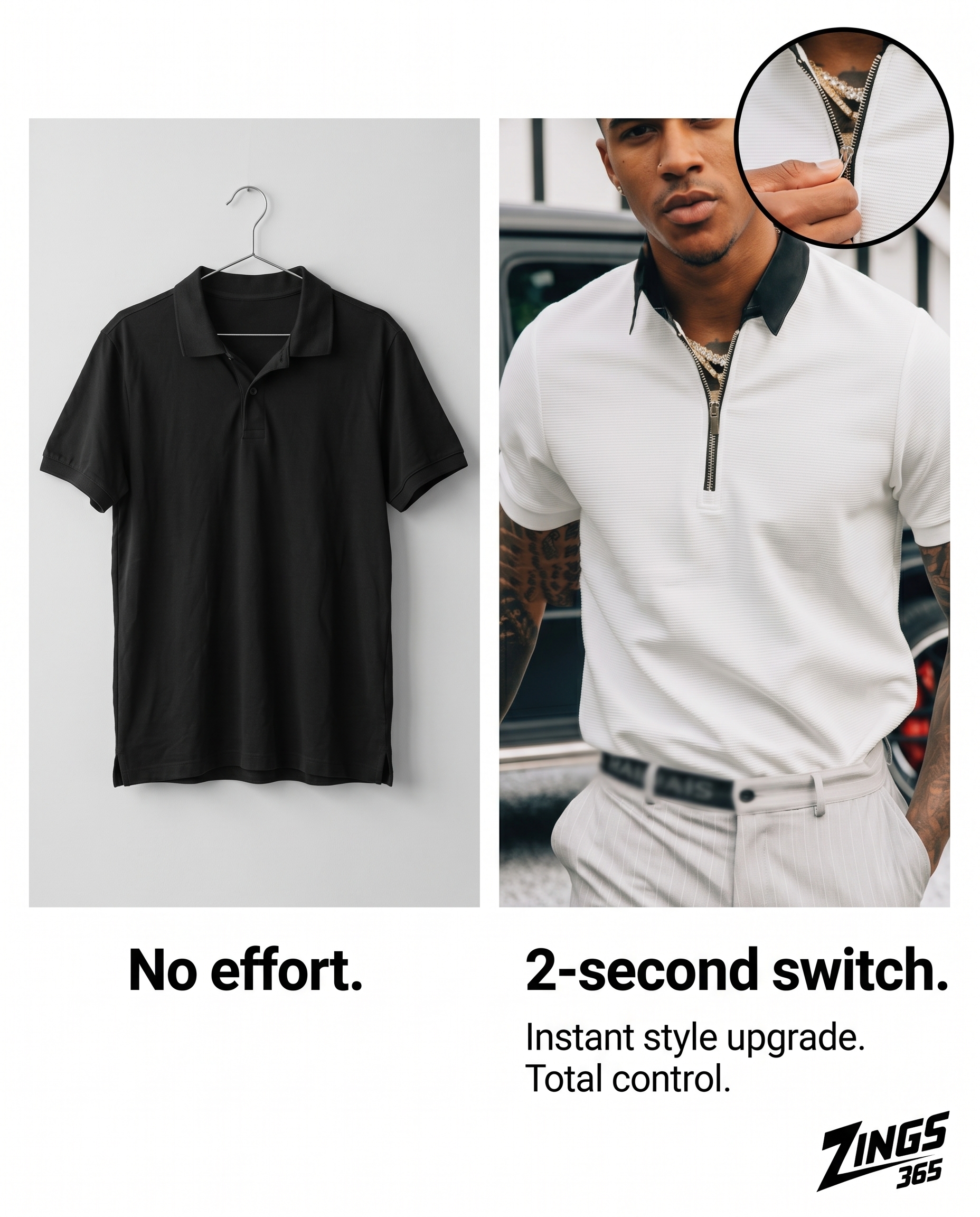
ZINGS 365 carries a broad range of men’s and women’s clothing across fabric types, from natural fiber basics to durable casual staples. Browse pieces designed for regular wear and versatile styling, including a knit v-neck t-shirt for women and a men’s casual jacket built for layering across seasons. The catalog is updated regularly with new arrivals and seasonal collections, making it straightforward to find pieces that balance comfort, style, and considered material choices. Shop at your own pace and build a wardrobe that lasts.
Frequently asked questions
Does organic cotton always have a lower environmental impact?
No. Organic cotton can carry a higher carbon footprint than some alternatives depending on energy mix and processing methods. A 2026 cradle-to-grave LCA found organic cotton trousers reached 12.23 kg CO₂e, with raw material acquisition as the dominant stage.
What are the main environmental concerns with synthetic fibers?
Synthetic fibers require fossil fuel inputs for production and shed microplastic particles during washing. Good On You notes that even recycled synthetics like ECONYL release microfibers and are not ideal for garments washed frequently in a machine without mitigation.
How can I spot greenwashing on sustainable clothing labels?
Look for audited third-party certifications such as GOTS, OEKO-TEX, or GRS rather than unverified eco-buzzwords. Textile Exchange’s LCA studies highlight why transparent, methodology-verified data matters when evaluating fiber impact claims.
What is the most important thing I can do to reduce my wardrobe’s footprint?
Wear garments longer, wash them less frequently, and choose versatile styles you’ll reach for repeatedly. 2026 lifecycle research confirms that extending garment lifespan and managing use-phase behaviors deliver the most significant reductions in total environmental impact.
