

TL;DR:
- Building a versatile wardrobe starts with selecting core staples like jeans, plain T-shirts, hoodies, and neutral sneakers that you will genuinely wear daily.
- Using simple outfit formulas and layering techniques allows for consistent, stylish looks that adapt to weather and occasion without frequent shopping.
Picking what to wear every morning feels harder than it should—especially when you want to look good, stay comfortable, and not spend your entire paycheck on one outfit. Most style advice either pushes expensive pieces or suggests following trends that disappear in three weeks. This guide takes a different approach. You’ll learn how to choose the right core pieces, use simple outfit formulas, layer for any weather, and pull off streetwear looks that feel natural rather than forced. The result is a wardrobe that works every day, not just for photos.
Table of Contents
- What you need: Core wardrobe staples and how to choose them
- Step-by-step: Creating casual outfit formulas that really work
- Mixing, matching & layering: How to adapt for weather and events
- Styling athleisure and streetwear: Stand out without trying too hard
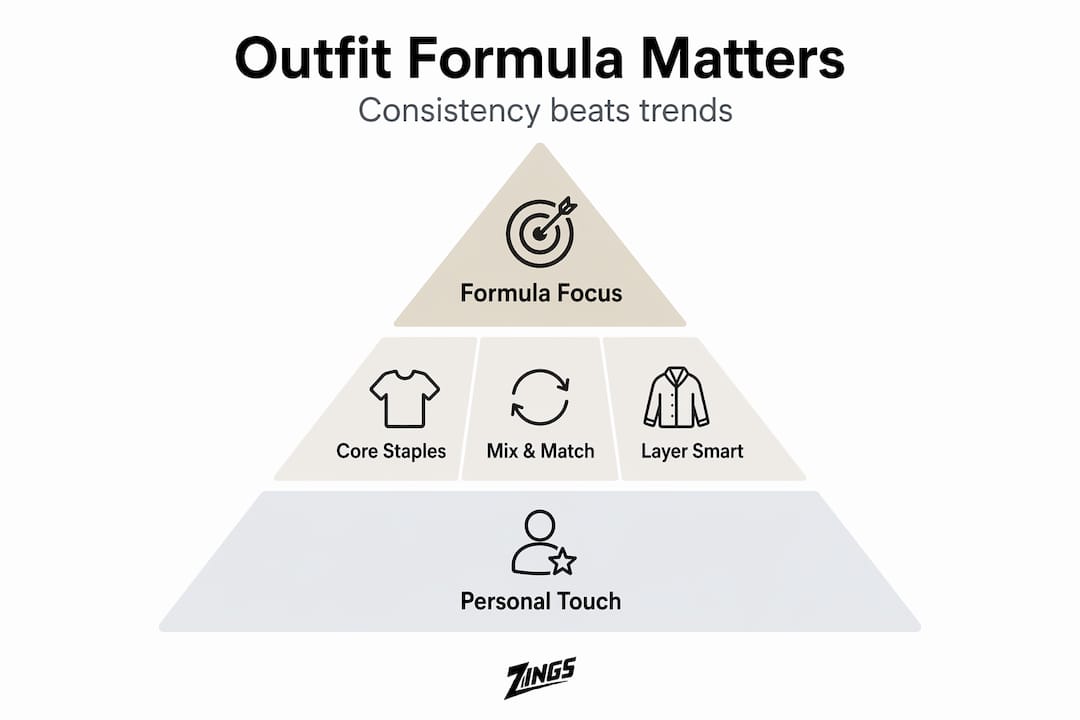
- Our take: Why outfit formulas matter more than chasing trends
- Shop affordable staples to build your perfect casual wardrobe
- Frequently asked questions
Key Takeaways
| Point | Details |
|---|---|
| Start with core staples | Build your wardrobe around comfortable basics that mix easily and suit most occasions. |
| Use outfit formulas | Create repeatable combinations by mixing and layering to save time and always look good. |
| Master layering | Adjust your look confidently for any weather or activity by mastering key layering techniques. |
| Elevate with one piece | Change your vibe with just one focal item such as a jacket, shoe, or standout accessory. |
| Personalize within your budget | Mix trends with personal style on a budget by focusing on smart updates instead of buying full new wardrobes. |
What you need: Core wardrobe staples and how to choose them
Building a good casual wardrobe starts with knowing what you actually need. Not what looks cool in an Instagram post. Not what your favorite creator just bought. What you will genuinely reach for every single day.
Classic casual staples are the foundation for repeatable, affordable outfits. That means a small, focused list of pieces that mix with almost everything else you own. Here is the core list:
- Jeans (one straight-leg, one slim or relaxed fit)
- Sweatpants or joggers (neutral color: gray, black, or navy)
- Plain T-shirts (white, black, gray — at least three)
- Hoodies (one lightweight, one heavier)
- A casual jacket (windbreaker or light shell)
- Simple bottoms (a basic skirt, chino pant, or cargo pant)
- Sneakers (one clean, versatile pair)
Before buying anything new, do a fast closet inventory. Outfit formulas begin with checking your closet for essentials first. Pull out every item, put back only what fits well and that you’ve worn in the last three months. What’s left is your real working wardrobe. Everything else is just taking up space.
The biggest mistake teens make is buying trendy pieces before locking in these basics. A bold graphic jacket means nothing if you have no neutral bottoms to pair it with. Get the foundation right first, then add one or two trend pieces per season.
Comparison table: Wardrobe basics by situation
| Situation | Must-have pieces | Optional add-ons |
|---|---|---|
| School | Jeans/sweatpants, plain tee, hoodie, sneakers | Casual jacket, backpack |
| Hanging with friends | Joggers, oversized tee, hoodie or sweatshirt | Cap, simple accessories |
| Social event (casual) | Clean jeans, structured top, fresh sneakers or loafers | Light jacket, watch |
| Outdoor hangout | Layered base and mid, weatherproof jacket | Scarf, beanie |
Pro Tip: Look for men’s sweatshirt staples in neutral tones first. A gray or black sweatshirt pairs with jeans, sweatpants, and even layered over a button-down. Neutral pieces stretch your wardrobe further than bold prints.
For women, 2-piece sweatsuits solve two problems at once. They are comfortable and they are already coordinated, which removes a daily styling decision entirely. For layering days, a men’s casual jacket in a windbreaker style adds function and a clean finishing layer without looking overdone.
You do not need every trend. Fit, comfort, and a few fresh updates each season beat buying everything new. A well-fitted basic will always look better than a trendy piece in the wrong size.
Step-by-step: Creating casual outfit formulas that really work
With essentials picked, you are ready to build outfits you can repeat and remix. The key is a simple three-step formula that removes daily decision fatigue and still produces looks that feel fresh.
The 3-step outfit formula:
- Pick a base layer (bottom half): Start with jeans, leggings, sweatpants, or joggers. This is your foundation. Everything else builds from here.
- Add a top: Choose a plain tee, hoodie, or simple shirt that complements the base. Neutral tops go with everything. A graphic tee works best when the bottom is a solid color.
- Change the vibe with a layer or shoe swap: A jacket over the same outfit reads completely differently depending on the shoe. White sneakers = clean and casual. Chunky sneakers = streetwear. Loafers = elevated. Swapping shoes or adding a jacket is your fastest style change.
Outfit formulas and repeatable combinations keep your look fresh without constant shopping. This is the practical core of any sustainable wardrobe strategy.
Data table: Outfit formulas by occasion
| Occasion | Base | Top | Layer/Shoe |
|---|---|---|---|
| Regular school day | Gray sweatpants | White tee | Hoodie + clean sneakers |
| Class presentation | Slim dark jeans | Simple button-down | Light jacket + loafers |
| Weekend hangout | Black joggers | Graphic tee | Oversized hoodie + chunky sneakers |
| Casual event | Straight-leg jeans | Clean crewneck | Windbreaker + fresh white sneakers |
| Outdoor lunch | Cargo pants | Plain long-sleeve | Vest + trail sneakers |
Simple jeans with a basic shirt or leggings with an oversized top, elevated by jackets and shoes, make up the majority of outfits that actually read as stylish in real life. The formula is not complicated. It just takes consistency.
To keep things from feeling repetitive, rotate which element you change each week. One week, try new shoe pairings with the same outfit. Next week, add a different jacket. Keep the base the same and let one piece do the work.
Pro Tip: Pick one “focal piece” each time you get dressed. A bold jacket, a bright sneaker, or an interesting bag gives any outfit a point of focus. Without it, an outfit can look forgettable. With it, even a plain tee and sweatpants look intentional. Try pairing straight-leg sweatpants with a clean white tee and one standout sneaker for a look that feels effortless and deliberate at the same time.
Mixing, matching & layering: How to adapt for weather and events
Once your outfits work as a formula, small layering tweaks let you stay comfortable all day, in any weather. This is the practical skill most style guides skip entirely.
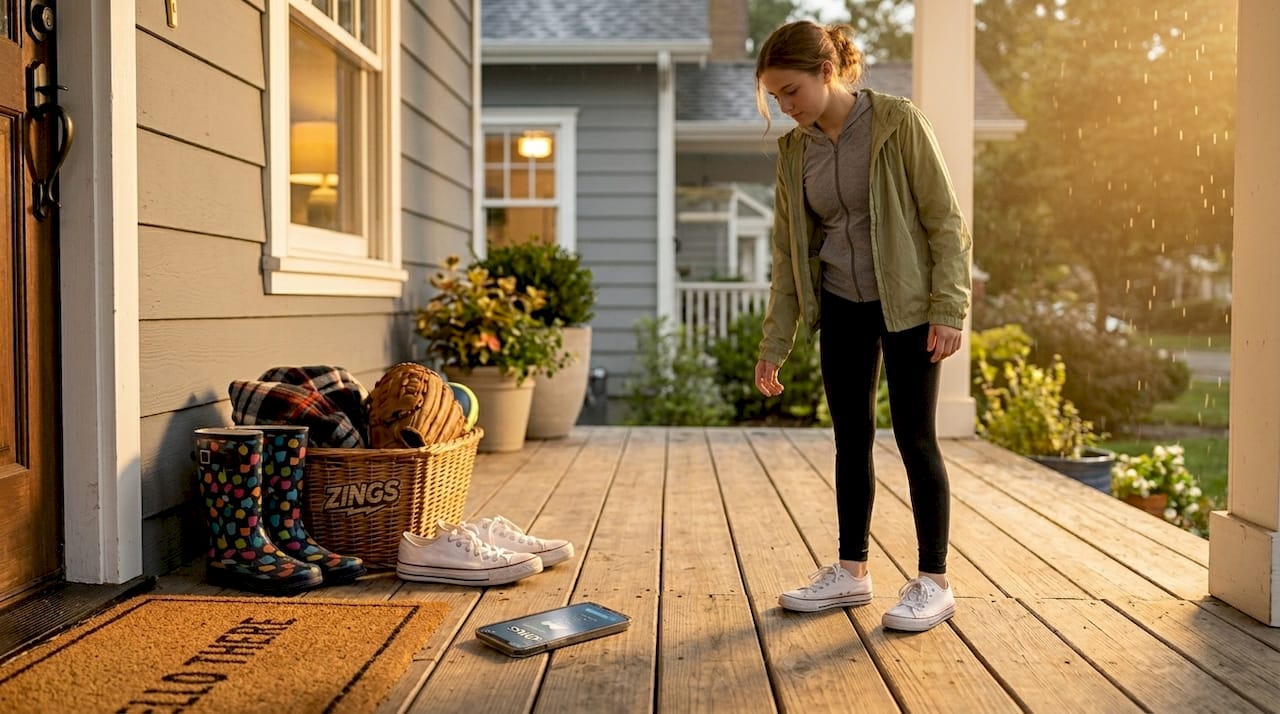
Layering with chunky sweaters over lighter tops or building modular base, mid, and outer layers is the most reliable way to adapt to temperature swings during a school day. You walk in from a cold morning, sit in a warm classroom, then head back outside for lunch. Your outfit needs to handle all three.
The layering system works like this:
- Base layer: A moisture-wicking or lightweight tee. Keeps you dry and comfortable indoors.
- Mid layer: A hoodie, sweatshirt, or sweater. Adds warmth and can be removed easily.
- Outer layer: A jacket, vest, or windbreaker. Protects from wind and light rain outdoors.
Quick swap ideas for real situations:
- Remove the outer jacket before class to avoid overheating
- Add a scarf before heading outside in cooler temperatures
- Tie the mid layer around your waist if it gets too warm midday
- Swap sneakers for slip-ons when moving between activities quickly
- Keep a light hoodie in your bag as a backup for cold classrooms
Refined layering helps teens avoid being locked into one outfit all day. It gives you options without carrying a second bag of clothes.
Reality check: Try your outfit before the day starts, not the morning of. Put it on the night before a big event or school day and move around in it. Sit down. Lift your arms. Walk up stairs. If it does not feel right in your room, it will feel worse in public. A five-minute trial run saves a long day of discomfort.
Slim fit hoodies work especially well as mid layers because they sit close to the body and do not add bulk under a jacket. Bulky mid layers under outerwear often make outfits look sloppy rather than intentional.
Pro Tip: When buying layering pieces, check that they actually fit together before purchasing. Put your base tee on, add the mid layer, then the outer jacket. If the jacket shoulders bunch or the hoodie restricts your movement, try a different size or cut.
Styling athleisure and streetwear: Stand out without trying too hard
After understanding layering, you can start playing with bolder streetwear and athleisure combinations that still feel put together. Athleisure (athletic-inspired clothing worn in everyday settings) and streetwear (urban-influenced casual style) are two of the most consistent teen fashion categories right now.
Tracksuit pants styled with simple cotton tops and strategic shoe and jacket swaps make casual look intentional and polished. The difference between looking like you just rolled out of bed and looking like you actually tried comes down to a few choices.
Editorial polish vs. casual comfort in streetwear
| Element | Casual comfort | Editorial polish |
|---|---|---|
| Tracksuit | Full matching set, any sneaker | Matching set + structured jacket + clean sneakers |
| Joggers | Baggy tee, beat-up shoes | Fitted tee, fresh sneakers or loafers |
| Hoodie | Layered randomly | Fitted underneath structured outer layer |
| Sneakers | Any available pair | Color-coordinated or statement shoe |
| Fit | Mixed sizes and shapes | One loose item, everything else fitted |
Oversized pieces work best when balanced by outwear, shoes, or overall fit. The rule is simple: one loose element per outfit. If the top is oversized, the bottom should be slimmer. If the pants are wide, keep the top fitted. Wearing oversized everything at once loses the shape that makes a silhouette look intentional.
Ways to elevate joggers or a tracksuit:
- Add a structured jacket over the tracksuit top instead of wearing it as-is
- Swap athletic sneakers for clean leather or canvas low-tops
- Carry a structured bag instead of a backpack for a more polished effect
- Choose a tracksuit in a muted color like olive, charcoal, or navy instead of neon
- Roll cuffs slightly to show the shoe and create visual proportion
A camouflage tracksuit is a strong focal piece on its own and needs minimal styling. Keep tops plain and shoes simple so the pattern does the work. For women, track suits in coordinated sets remove the guesswork entirely and still hit the polished athleisure standard when paired with the right footwear.
Our take: Why outfit formulas matter more than chasing trends
Most style guides focus on showing you what to wear right now. They show trending pieces, seasonal looks, and new arrivals. What they rarely discuss is the value of repeatability, which is actually what makes style work in real life.
Real teens do not have unlimited budgets or the time to rethink their entire wardrobe every two months. What works is having a set of pieces you know function together, and one or two levers (a shoe, a jacket, a layer) that let you adjust the look daily without buying anything new.
Anchoring on repeatable staples plus one styling lever leads to higher confidence and less stress in daily decisions. That is not a minor side benefit. Decision fatigue (the mental drain of making too many choices) is real. When you know your outfit works before you even open your closet, you free up mental space for everything else.
Confidence is not built by having more options. It grows when you stop second-guessing the options you already have.
The formula approach also saves money in a direct, measurable way. Instead of buying five new trendy pieces per season, you buy one or two things that slot into an existing system. An everyday sweatshirt in a neutral color costs the same as a trendy graphic piece, but works in twice as many outfits across three seasons.
Most teens underestimate how much personal style actually comes from consistency. Wearing the same types of pieces, styled with small variations, creates a recognizable look over time. That is what makes someone look like they have style, not the number of items they own.
Shop affordable staples to build your perfect casual wardrobe
You are ready to update your closet. The formulas, the layering logic, and the streetwear rules all point back to the same starting point: a small set of quality basics you can actually use.
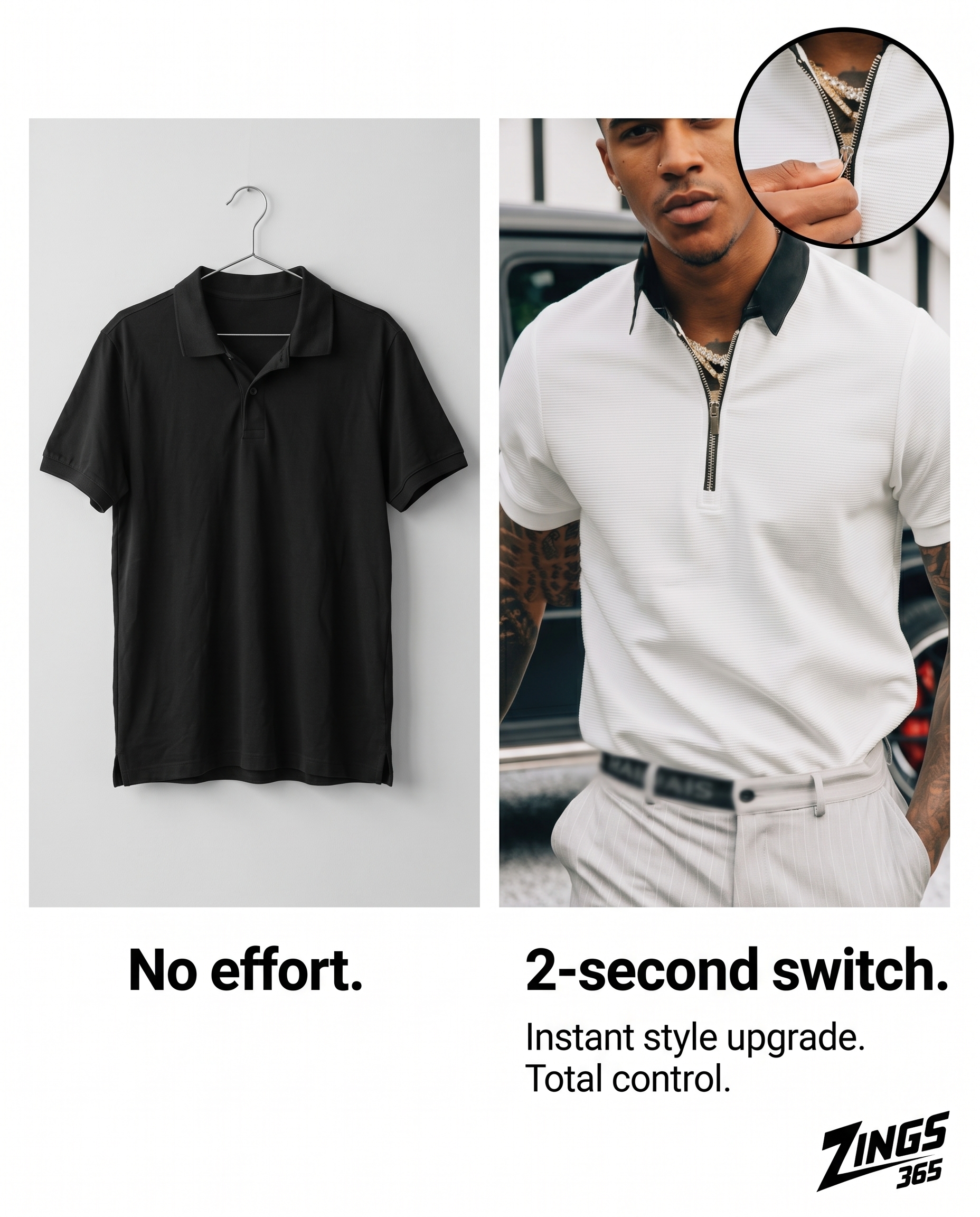
ZINGS 365 carries affordable core pieces that slot directly into the formulas covered here. Start with a classic men’s casual jacket for a layering anchor that works across seasons. Add casual sweatshirts in neutral tones for your mid-layer rotation. Round out the base with casual sports pants that pair with almost any top in your existing wardrobe.
Pro Tip: When shopping for staples, stick to black, white, gray, navy, and olive first. These five colors blend with almost everything. Once your base is in place, add one or two color or pattern pieces per season.
Frequently asked questions
What are the essential clothing staples every teen should own for casual day-to-day outfits?
The essentials include jeans or sweatpants, versatile T-shirts, hoodies, a casual jacket, and comfortable sneakers. Core casual staples are the pieces you build every other outfit around.
How do you style sweatpants or tracksuit pants for school?
Pair sweatpants or tracksuit pants with a cotton shirt or crop top and layer with a lightweight jacket to keep the look casual but intentional. Tracksuit pants styled with simple tops and a clean shoe choice read as polished rather than sloppy.
What’s the best way to layer outfits for unpredictable weather?
Start with a moisture-wicking base, add a sweater or hoodie as your mid layer, and top with a weatherproof jacket so you can adjust easily throughout the day. Modular base-mid-outer layering is the most reliable method for handling temperature swings.
Do I have to buy new clothes every season to stay trendy?
No. Using outfit formulas and mixing in a few new pieces or changing how you style your staples keeps your looks fresh without a full wardrobe overhaul. Classic casual staples are the foundation that makes this possible.
