

TL;DR:
- Proper clothing care involves reading labels, sorting laundry by fabric and color, and choosing appropriate water temperatures.
- Washing clothes less often, air drying delicate fabrics, and repairing small damages significantly extend garment lifespan.
Clothing care tips are proven methods for keeping your apparel looking sharp and lasting longer through smart washing, drying, and maintenance habits. Proper garment care covers everything from choosing the right water temperature to knowing when to skip the machine entirely. The fabric type you own determines almost every decision you make at the laundry. Get these basics right, and your clothes will hold their color, shape, and structure for years longer than average.
1. Clothing care tips start with reading the label
Every garment ships with a care label. That label is the manufacturer’s tested recommendation, not a suggestion. Ignoring it is the single fastest way to ruin a piece of clothing you paid good money for.
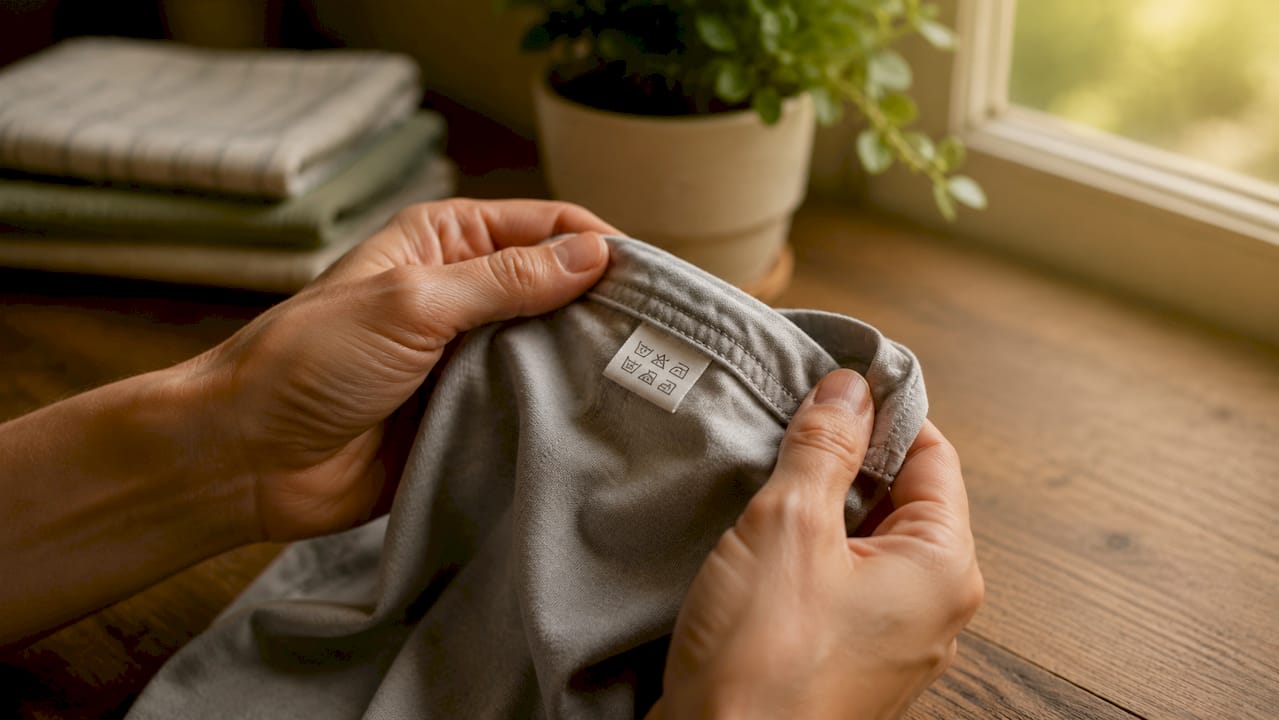
Care symbols follow international textile standards. A tub icon with a number means the maximum wash temperature in Celsius. A crossed-out tub means hand wash only. A square with a circle inside means tumble dry is safe. Spend two minutes learning these symbols once, and you will never guess wrong again.
2. Sort laundry by fabric weight and color
Sorting by fabric weight and delicacy reduces abrasion and pilling. Washing a heavy denim jacket alongside a thin cotton tee causes the heavier item to beat against the lighter one throughout the cycle. The result is pilling, stretched seams, and faded color on the lighter garment.
Sort your laundry into three groups before loading the machine:
- Darks: black, navy, charcoal, and deep jewel tones
- Lights: whites, creams, and pale pastels
- Delicates: silk, lace, thin knits, and embellished pieces
Keeping colors separate prevents dye transfer. Keeping weights separate prevents mechanical damage. Both habits together add real life to every item in your closet.
3. Use the right water temperature for each fabric
Standard washing temperatures follow a clear pattern: cold (60°F/15°C) for most everyday clothes, warm (85–105°F/30–40°C) for synthetics, and hot (120°F/50°C and above) only for whites and heavily soiled items. Hot water shrinks natural fibers and fades dyes. Cold water protects color and structure in almost every casual garment.
| Fabric Type | Recommended Temperature | Why It Matters |
|---|---|---|
| Cotton darks and delicates | Cold (60°F/15°C) | Prevents fading and shrinkage |
| Synthetics (polyester, nylon) | Warm (85–105°F/30–40°C) | Removes oils without damaging fibers |
| White cotton, heavily soiled | Hot (120°F/50°C+) | Kills bacteria and lifts deep stains |
| Silk and wool | Cold or lukewarm | Heat destroys protein fibers permanently |
When in doubt, choose cold. Modern detergents clean effectively in cold water, and the fabric always benefits from lower heat.
Pro Tip: Turn dark garments inside out before washing. This protects the outer surface from direct agitation and keeps colors vivid wash after wash.
4. Don’t overfill the washing machine
Laundry drums should be filled to about three-quarters capacity. A full drum prevents clothes from moving freely through the water, which means detergent does not rinse out properly and soil stays on the fabric. Overfilling also strains the motor and drum bearings over time.
A three-quarter load gives every item room to tumble, rinse, and come out genuinely clean. If you have more laundry than fits at that level, run a second load. Two properly loaded cycles clean better than one stuffed cycle every time.
5. Choose the right drying method
Shrinkage mainly occurs in the dryer. Heat causes natural fibers like cotton and wool to contract, and that process is largely irreversible. Air drying is the safest method for almost any garment you care about keeping in shape.
Follow these drying guidelines by fabric type:
- Cotton and linen: Air dry flat or on a hanger. Use low heat in the dryer only if the label permits.
- Wool: Always dry flat. Hanging wet wool stretches the fibers under their own weight.
- Silk: Lay flat away from direct sunlight. Heat and UV light both degrade silk fibers.
- Synthetics: Low heat or air fluff in the dryer is fine. High heat melts synthetic fibers and causes pilling.
- Denim: Air dry inside out. Machine drying causes shrinkage and accelerates fading.
Understanding fabric quality and care before you buy makes drying decisions much easier. Knowing what a garment is made of tells you exactly how to treat it.
6. Wash clothes less often than you think
Washing less often is the single most effective method for extending garment lifespan. Every wash cycle puts mechanical stress on fibers, fades dyes, and loosens seams. Reducing that frequency protects the fabric at a structural level.
Most casual garments do not need washing after every wear. Jeans, sweaters, and outerwear can go multiple wears between washes if they are not visibly soiled or odorous. Airing clothes inside out in indirect sunlight refreshes them naturally and kills surface bacteria without any water or detergent involved.
Pro Tip: Mix a small spray bottle with water and a few drops of white vinegar. Spritz lightly on underarms and collar areas after wearing. This neutralizes odor without a full wash cycle.
7. Freeze denim to kill bacteria and remove odors
Freezing jeans overnight in a sealed bag kills bacteria and neutralizes odors without washing damage. This method avoids the fading and shrinkage that repeated machine washing causes in denim. The cold temperature is enough to eliminate the bacteria responsible for most fabric odors.
Place your jeans in a zip-lock bag, remove as much air as possible, and leave them in the freezer overnight. Take them out in the morning, let them return to room temperature, and wear them. The result is fresh-smelling denim with zero water damage. This technique works especially well for raw denim and dark-wash jeans where color preservation matters most.
8. Treat stains immediately
A stain that sits for hours sets into the fiber. A stain treated within minutes often lifts completely. Speed is the most important factor in stain removal, more than the product you use.
Blot the stain with a clean cloth. Never rub. Rubbing spreads the stain and pushes it deeper into the weave. Apply cold water to water-based stains like juice or coffee. Apply a small amount of dish soap or a dedicated stain remover to oil-based stains like food grease or makeup. Let it sit for five minutes, then blot again before washing normally.
9. Hand wash delicate fabrics properly
Hand washing silk involves soaking in cool or lukewarm water for five minutes with gentle agitation, followed by rolling the garment in a clean towel to remove moisture without wringing. Wringing twists the fibers and causes permanent distortion in silk, lace, and fine knits.
For machine-washable delicates, use a mesh laundry bag. The bag creates a physical barrier between the garment and the drum, reducing friction and preventing snags on zippers or buttons from other items. Choose a detergent labeled for delicates or sensitive fabrics. Standard detergents contain enzymes that break down protein fibers, which is exactly what silk and wool are made of.
10. Learn basic repair skills
Basic mending skills like sewing on a button, darning a small hole, or restitching a loose seam extend garment life significantly. A shirt with a missing button gets discarded. The same shirt with a replaced button gets worn for another two years. The repair takes four minutes.
Community repair cafes are growing in popularity as a resource for learning darning and hemming. These free workshops teach practical skills that most people stopped learning when fast fashion made replacement cheaper than repair. If you collect or preserve vintage pieces, resources like garment repair guides cover detailed techniques for restoring fabric structure and extending wear life.
Pro Tip: Keep a small sewing kit with black, white, and navy thread in your closet. You will use it more than you expect, and it costs almost nothing.
11. Store clothes correctly to prevent damage
Proper storage prevents wrinkles, fiber stress, and moth damage before they start. Overcrowding a closet is one of the most common causes of permanent creasing and stretched necklines.
Follow these storage rules:
- Hang structured garments: Blazers, dress shirts, and trousers hold their shape best on hangers. Use wide-shoulder hangers for jackets to prevent shoulder divots.
- Fold knits and knitwear: Hanging sweaters stretches them out of shape under their own weight. Fold and stack them on a shelf instead.
- Use cedar blocks or lavender sachets: Both repel moths naturally without the chemical residue of mothballs.
- Wash before storing seasonally: Storing clothes with body oils or food residue attracts insects and causes yellowing over time.
Choosing sustainable fabric options from the start also reduces storage complexity. Natural fibers that breathe well are easier to maintain and store than heavily treated synthetics.
Key takeaways
Washing clothes less often, sorting by fabric weight, and learning basic repair skills are the three habits that most directly extend garment lifespan.
| Point | Details |
|---|---|
| Wash less, air more | Reducing wash frequency cuts mechanical wear and preserves dye and fiber structure. |
| Match temperature to fabric | Cold for darks and delicates, warm for synthetics, hot only for whites and heavily soiled items. |
| Dry with care | Air dry wool and silk flat; use low heat for cotton and synthetics to prevent shrinkage. |
| Treat stains immediately | Blot, never rub, and apply cold water or dish soap within minutes of a spill. |
| Repair instead of replace | A four-minute button repair extends a garment’s life by years and breaks the disposable cycle. |
What I’ve learned from years of caring for clothes the right way
The advice that changed how I think about laundry is simple: most clothes do not need washing after every wear. I used to wash everything after a single use, and my wardrobe showed it. Colors faded faster than they should have. Collars frayed. Knits lost their shape within a season.
Once I started airing garments between wears and only washing when genuinely necessary, the difference was visible within months. Pieces I had written off as “getting old” were just getting over-washed. The fabric was fine. The process was the problem.
The repair habit took longer to build, but it pays off more than any other single change. I used to toss shirts over a missing button or a small seam split. Now I fix them in under five minutes. That shift alone has kept a dozen pieces in rotation that would otherwise be gone.
The uncomfortable truth about fast fashion is that it trains you to treat clothes as disposable. The antidote is not buying more expensive clothes. It is caring for what you already own with a little more attention. Washing less, drying gently, storing properly, and fixing small damage before it becomes big damage. These are not complicated habits. They are just habits most people were never taught.
— TONY
Well-made clothes from Zings365 deserve proper care
Clothing that is built well responds better to good care. Zings365 carries casual and fashionable men’s shirts made with fabric quality and stitching suited for extended wear. A well-constructed shirt, cared for correctly, stays in rotation far longer than a poorly made one treated the same way.

The British casual fashion shirt at Zings365 is a strong example: jacquard check fabric with a slim fit that holds its structure wash after wash when cared for correctly. The men’s check button-down shirt is another option built for both casual and business wear with fabric that rewards gentle washing and proper storage. Browse the full range at Zings365 to find pieces worth taking care of.
FAQ
What is the best water temperature for washing most clothes?
Cold water (60°F/15°C) is the right choice for most everyday garments, including darks and delicates. Use warm water for synthetics and hot water only for whites or heavily soiled items.
How often should you wash casual clothing?
Most casual garments do not need washing after every wear. Airing clothes inside out between wears removes odor and refreshes fabric without the mechanical stress of a wash cycle.
How do you wash silk at home without damaging it?
Soak silk in cool or lukewarm water for five minutes with gentle agitation, then roll it in a clean towel to remove moisture. Never wring silk, as twisting causes permanent fiber distortion.
Does the dryer cause shrinkage?
Yes. Shrinkage mainly occurs in the dryer, particularly for cotton and wool. Air drying flat or on a hanger is the safest method for any garment you want to keep in its original shape.
What is the easiest way to extend the life of your clothes?
Washing less often is the most effective single habit. Combine it with prompt stain treatment, correct storage, and basic repair skills to keep garments in use significantly longer.
