

TL;DR:
- Fabric choice impacts comfort, style, durability, and environmental footprint in casual clothing. Natural fibers like cotton and linen offer better breathability and skin comfort, especially in warm climates. Thoughtful selection and awareness of fabric properties can enhance both personal style and sustainability.
Most people pick a shirt because they like the color or the cut. The role of fabric choice rarely crosses their mind until something goes wrong: the shirt turns itchy on a hot afternoon, fades after three washes, or ends up in a landfill two years later. In textile design and apparel science, this decision is formally called material selection, and it shapes far more than appearance. The fabric in your clothes determines how comfortable you feel, how sharp you look, how long a garment lasts, and how much environmental damage it causes before it reaches you. Getting it right matters for all three.
Key takeaways
| Point | Details |
|---|---|
| Fabric affects more than looks | Material selection controls comfort, durability, skin health, and environmental footprint simultaneously. |
| Natural fibers breathe better | Cotton and linen outperform synthetics for skin comfort and breathability in warm weather. |
| Sustainability is not simple | No single fiber is fully sustainable; life-cycle trade-offs exist across cotton, polyester, and viscose. |
| Certifications have limits | OEKO-TEX confirms chemical safety but does not guarantee carbon neutrality or ethical production. |
| Durability extends garment life | Choosing fabrics with strong appearance retention reduces how often you replace clothing. |
The role of fabric choice in comfort and skin health
The fabric touching your skin all day has a direct effect on how you feel. This is not a minor detail. For casual wear especially, comfort is the baseline expectation, and the wrong textile choice will undermine it regardless of how good a piece looks on a hanger.
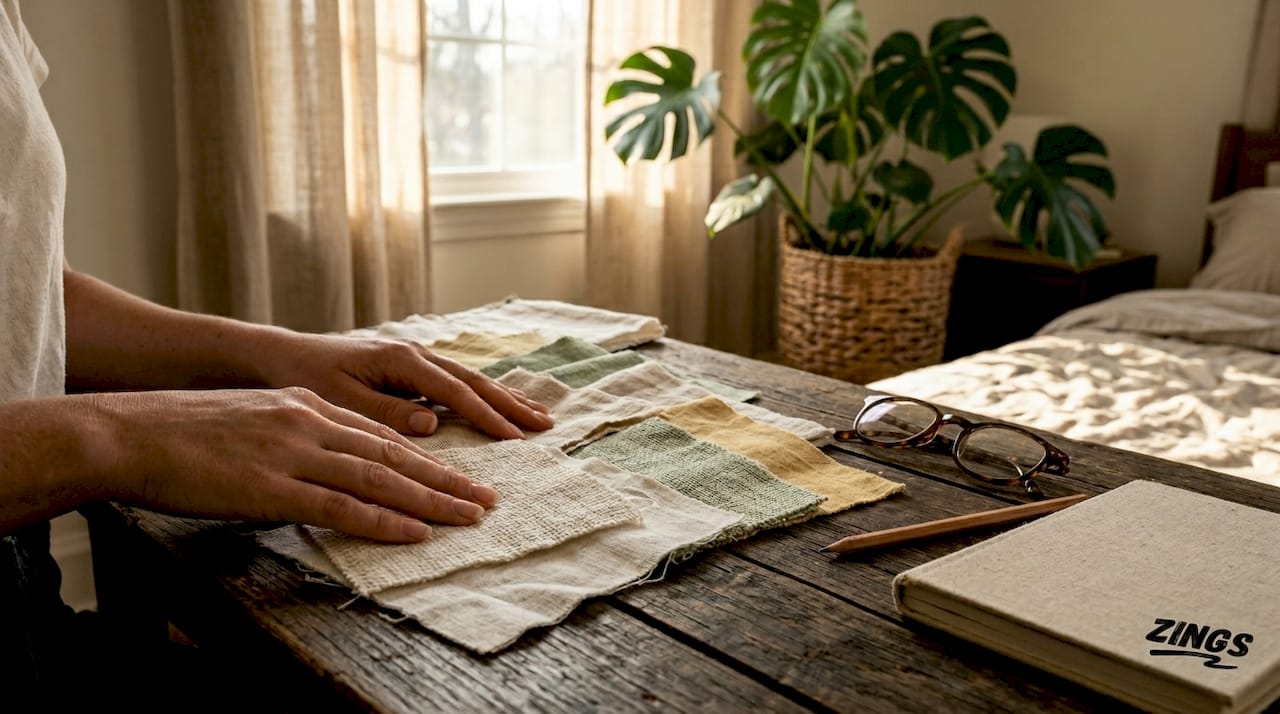
Breathability is the most immediate factor. Natural fibers like cotton allow air to circulate and moisture to evaporate, which keeps your body temperature regulated. Synthetics like polyester and nylon trap heat and moisture against the skin, creating the sticky, uncomfortable feeling that compounds on warm days or during light activity. Cotton remains the preferred choice for summer wear precisely because it handles both heat and moisture far better than most synthetic alternatives.
Skin sensitivity adds another layer. Some people write off irritation as a skin condition when the real culprit is the fabric.
- Cotton: Soft, hypoallergenic, and gentle on most skin types. The go-to for t-shirts, casual pants, and everyday wear.
- Linen: Slightly textured but highly breathable; ideal for warm weather despite the initial stiffness, which softens with washing.
- Wool: Coarse fibers can cause itching and irritation, particularly for people with sensitive skin. Fine merino wool is an exception but carries a higher price point.
- Acrylic: Traps heat and frequently causes itching. Often found in budget knitwear; not recommended for sensitive skin or hot climates.
- Polyester blends: Durable and wrinkle-resistant, but their reduced breathability makes them a poor choice as a primary material for warm-weather casual wear.
Understanding fabric types and their effect on the body is one of the most practical things you can learn before buying clothes. Reviewing why fabric types matter before shopping saves money and discomfort.
Pro Tip: If you run hot or live in a warm climate, look for garments that list cotton or linen as the primary fiber on the care label. Blends containing more than 50% synthetic fiber will noticeably reduce breathability.
How fabric affects style and visual appeal
Beyond comfort, textile choice and comfort are only half the story. The visual dimension of material selection is just as powerful, and it is one of the most overlooked factors in understanding how fabric affects style in casual fashion.
Texture and weave directly change how a garment looks on the body. A tightly woven cotton poplin reads crisp and structured. A brushed cotton flannel reads relaxed and casual. The fiber is essentially the same in both cases; the weave and finishing process create entirely different style signals.
Drape is the property that controls how fabric falls and moves. Fabrics with high drape, such as viscose or Tencel, flow and move with the body, creating a softer silhouette. Heavier, stiffer fabrics like denim or canvas hold their shape and create structure. For casual wear, this distinction matters when you want a relaxed, effortless look versus a more put-together one.
Here is how the most common casual wear fabrics behave stylistically:
- Cotton jersey: Stretches with the body, ideal for fitted t-shirts. Creates a clean, minimal look.
- Denim (cotton twill): Holds structure, adds visual weight. The hallmark fabric for casual bottoms because it ages visually in a way most synthetics do not.
- Viscose/rayon: Fluid drape makes it excellent for relaxed tops and casual dresses. Wrinkles easily, which can undercut a polished look.
- Linen: Intentionally rumpled texture reads as relaxed and lived-in. Works well for a casual-cool aesthetic but requires acceptance of wrinkles.
- French terry (cotton loop-back): Mid-weight, textured on the back, smooth on the front. The standard for casual sweatshirts and joggers because it communicates comfort visually.
The fabric impact on aesthetics is not a secondary concern. It is what communicates your style to other people before you say a word. You can find more detail on these distinctions in this fashion terminology guide that breaks down weaves, finishes, and fabric properties in plain language.
Sustainability and fabric: it is complicated
This is where most fashion conversations get oversimplified. The common assumption is that natural fibers are sustainable and synthetics are not. The reality, backed by life-cycle assessment research, is substantially more nuanced.
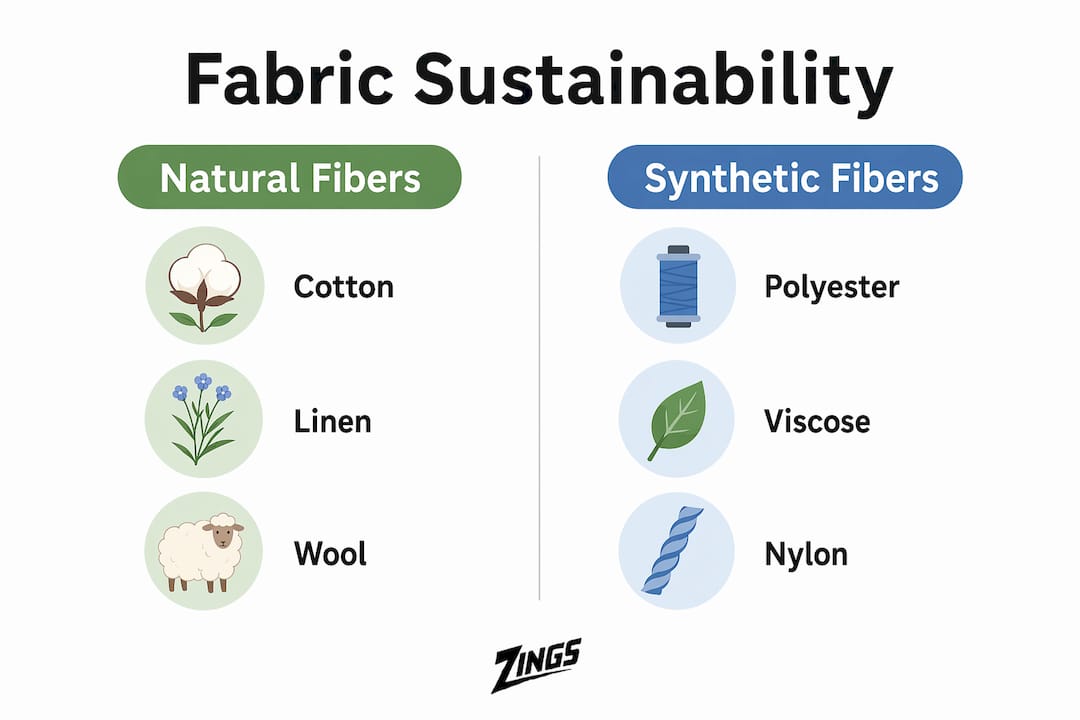
Here is a data summary of key trade-offs across common casual wear fabrics:
| Fabric | Key environmental concern | Relative durability |
|---|---|---|
| Organic cotton | High water use; raw material stage contributes 43-45% of carbon footprint | Moderate |
| Polyester | Fossil fuel derived; microplastic shedding | High (resists degradation) |
| Viscose/Rayon | Chemical-intensive processing; deforestation risk | Low to moderate |
| Linen | Low water input; biodegradable | High |
| Recycled polyester | Lower extraction impact but still sheds microplastics | High |
A study assessing three common fibers found that viscose, cotton, and polyester all require climate-impact reductions between roughly 66% and 88% to meet absolute environmental sustainability thresholds. That means no current mainstream fiber is fully sustainable as it stands today.
Upstream fiber production controls the majority of environmental uncertainty across apparel supply chains, more than cutting, sewing, or even shipping. This means the fabric decision made at the design or purchase stage carries more environmental weight than most people realize.
Natural fibers like wool and cotton generally offer better circular lifecycle potential than synthetics, which degrade faster and are harder to recycle. However, durability matters too. A polyester garment worn 200 times may have a lower per-wear footprint than an organic cotton piece worn 30 times before disposal. The importance of material choice, from a sustainability perspective, cannot be separated from how long you actually wear the item.
Pro Tip: When comparing two garments with similar sustainability claims, check fiber durability and pilling resistance alongside any certifications. A garment that lasts three times longer is almost always the greener option, regardless of fiber source.
For a broader look at how to evaluate sustainable clothing choices beyond fiber labels, Zings365 has a dedicated guide worth reading before your next purchase.
Choosing the right fabric for casual clothing
Applying all of this in a practical shopping context requires a simple framework. Factors influencing fabric choice should be evaluated across three dimensions: comfort needs, aesthetic goals, and sustainability priorities.
- Check the fiber content label first. The percentage breakdown tells you what you are actually buying. A “cotton” shirt that is 60% polyester will behave like polyester in terms of breathability and feel.
- Match the fabric to the climate and activity. For everyday warm-weather wear, prioritize cotton or linen content above 70%. For outerwear or items worn in cool, dry conditions, wool or wool blends are appropriate.
- Look for recognized certifications, with realistic expectations. OEKO-TEX certification confirms textiles are tested for harmful substances across all components. It is a meaningful baseline for safety but does not make a garment carbon neutral or ethically manufactured. Treat it as one signal among several.
- Think about durability as a sustainability strategy. Choosing fabrics with better pilling resistance and color retention extends garment life. Linen, quality denim, and tightly woven cotton all hold up better over time than loose weaves or low-grade blends.
- Align your fabric choices with your personal style logic. If you prefer a relaxed, textural look, linen and French terry deliver that without trying. If you want clean, minimal aesthetics, tightly woven cotton or ponte fabric will serve you better.
For broader shopping decisions, these fashion shopping tips offer practical guidance on balancing style, quality, and budget without compromise.
My honest take on fabric and fashion
I have spent years paying attention to how people talk about their clothes, and what I keep noticing is that fabric is the last thing most shoppers mention and the first thing they complain about later. The shirt that felt great in the store but turned scratchy after one wash. The jeans that looked perfect but held body heat uncomfortably. Almost every one of those frustrations traces back to a material selection decision nobody made consciously.
What I have found is that the industry does not make this easy. Sustainability claims are especially prone to oversimplification. Brands market “natural” fibers as automatically responsible, but sustainability claims based solely on fiber type are misleading without full life-cycle context. A fast-fashion organic cotton t-shirt may have a worse environmental profile than a well-made recycled polyester piece worn for a decade.
My position is this: choosing the right fabric is not about following a rulebook. It is about understanding what you are actually trading off when you pick one material over another. Comfort, style, and sustainability are not separate checkboxes. They are connected through the fabric, and the more deliberately you choose it, the more those things align rather than conflict.
— TONY
Fabric-first casual clothing at Zings365

At Zings365, the casual clothing catalog is built around pieces where fabric quality does the work. Whether you are looking for breathable everyday basics or durable denim for long-term wear, the product range reflects a practical understanding of what makes casual clothing actually worth buying.
For warm-weather basics, the short sleeve t-shirts prioritize fabric comfort and fit for everyday use. If you prefer a more structured casual look, the V-neck t-shirts offer clean lines with quality construction. For lower-body casual wear, the straight-leg denim jeans are built from fabric that holds its shape and color across regular wear. Browse the full catalog at Zings365 to find casual pieces selected with comfort, style, and fabric quality in mind.
FAQ
What is the role of fabric choice in casual clothing?
Fabric choice determines how comfortable a garment feels, how it looks on the body, how long it lasts, and how much environmental impact it carries. It is one of the most consequential decisions in apparel, affecting breathability, drape, durability, and sustainability all at once.
Which fabrics are best for skin comfort in warm weather?
Cotton is the most reliably comfortable option for warm weather due to its breathability and moisture absorption. Linen is also excellent. Synthetics like polyester and acrylic trap heat and are more likely to cause irritation for sensitive skin.
Is organic cotton always the most sustainable choice?
No. Organic cotton still carries a significant carbon footprint, with raw material production contributing roughly 43 to 45% of total emissions. Durability and garment lifespan often matter more to a fabric’s actual environmental impact than fiber origin alone.
What does OEKO-TEX certification actually mean?
OEKO-TEX tests textiles for harmful chemical substances across all components. It confirms safety but does not certify carbon neutrality, sustainable water use, or fair labor practices. It is a useful baseline indicator, not a complete sustainability guarantee.
How can I make fabric choices that extend garment lifespan?
Choose fabrics with strong pilling resistance and color retention, such as quality denim, tightly woven cotton, and linen. These materials hold up over repeated washing and wear, which reduces replacement frequency and lowers your long-term environmental footprint per garment.
