

TL;DR:
- Layering clothing involves wearing multiple functional garments to regulate temperature, moisture, and weather conditions effectively. The three essential layers—base, mid, and outer—serve distinct roles, and proper fit and fabric choices are crucial for optimal comfort and adaptability. This system offers superior flexibility, moisture control, and style options compared to a single bulky garment, especially during transitional weather and varying activity levels.
Layering clothing is the practice of wearing multiple coordinated garments, each with a distinct functional role, to regulate body temperature, manage moisture, and adapt to changing weather and activity levels. As WIRED describes, layering is a dynamic process, not a fixed outfit choice. The system works across everyday casual wear, outdoor activities, and transitional seasons. Understanding the three core layers, the right fabrics, and common mistakes separates people who stay comfortable all day from those who overheat at noon and shiver by 3 p.m.
Why layer clothing: the core principle explained
The reason to layer clothing comes down to one word: control. A single thick coat locks you into one temperature setting. Multiple coordinated layers let you respond to your body and your environment in real time. Brands like Patagonia and REI have built entire product lines around this principle because it works for hiking, commuting, and everything in between.
The three-layer system is the recognized framework professionals use. Each layer has a specific job, and the system only works when all three are present and correctly matched. Skipping or misusing a layer creates the exact problems layering is designed to solve: sweating, chilling, and discomfort.
What are the three essential layers and their roles?
Each layer in the system addresses a different physical need. Together, they create a personal climate system you can adjust on the fly.
| Layer | Primary function | Best materials |
|---|---|---|
| Base layer | Wicks moisture away from skin | Merino wool, polyester, nylon |
| Mid layer | Traps warm air for insulation | Fleece, down, synthetic fill |
| Outer layer | Blocks wind, rain, and snow | Softshell, hardshell, Gore-Tex |
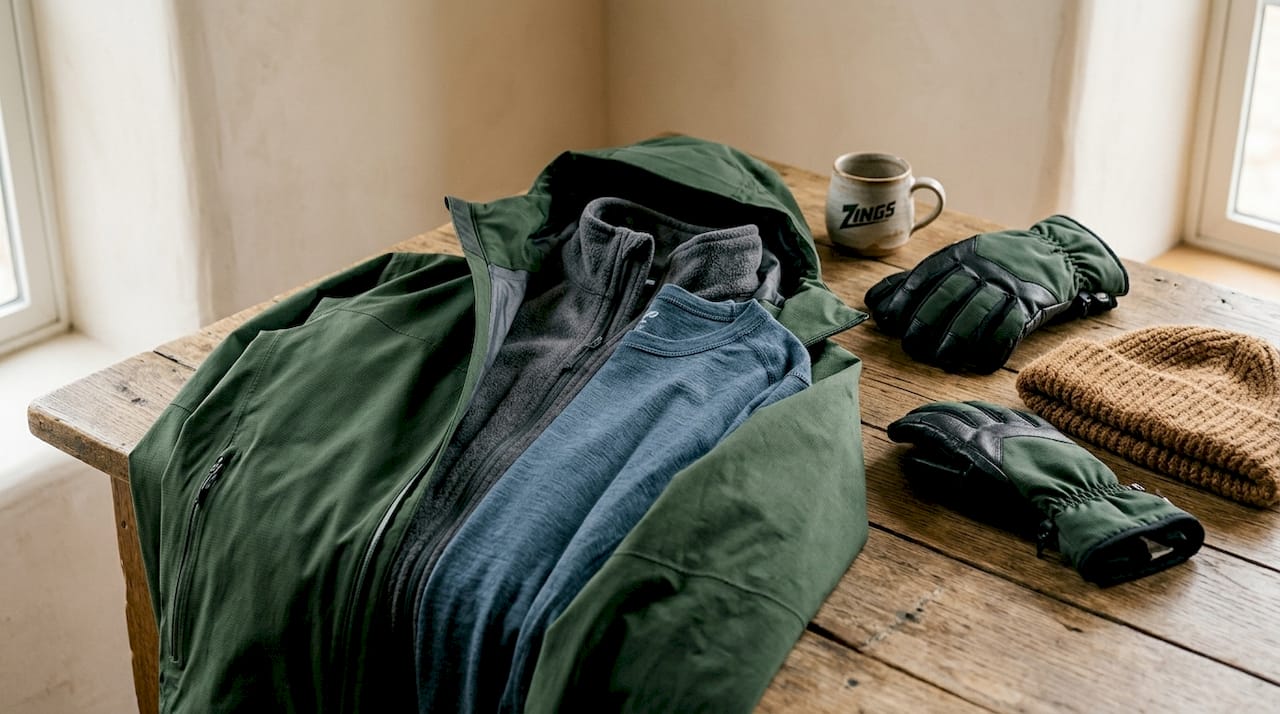
Base layer sits directly against your skin. Its job is moisture management, not warmth. Synthetics and merino wool wick sweat away from the skin effectively, while cotton absorbs moisture and holds it against your body, chilling you rapidly when you stop moving. Cotton is the single most common base layer mistake people make.
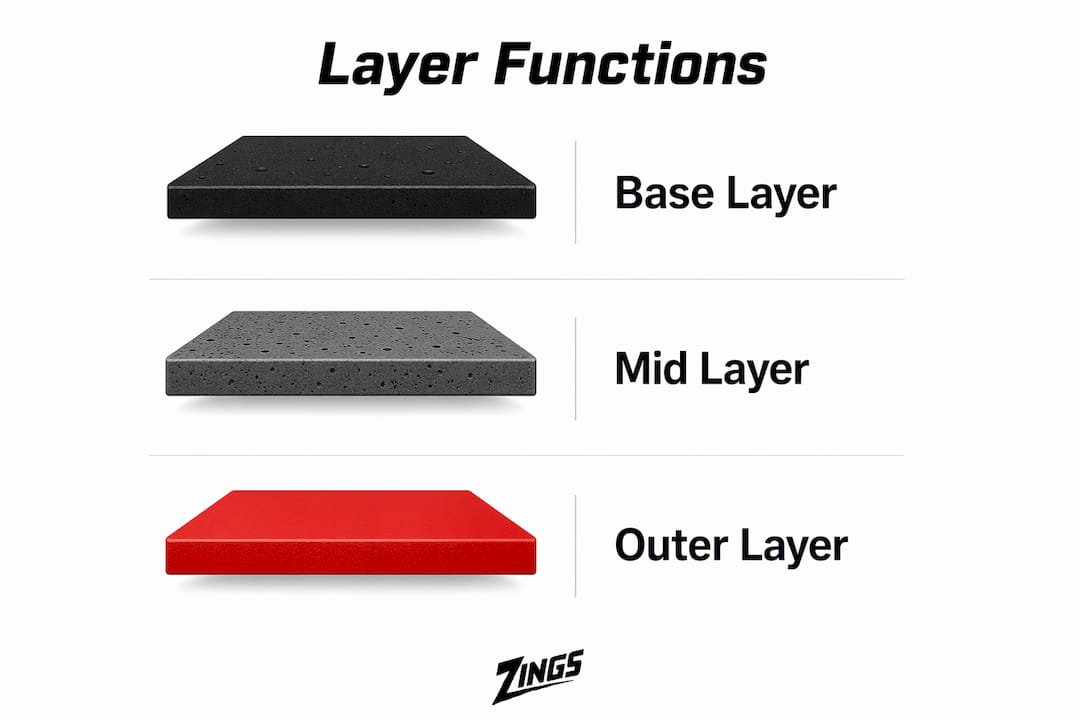
Mid layer provides insulation by trapping warm air close to the body. The key insight here is that warmth comes from trapped air, not from the thickness of the fabric. Thin but warm insulation like a lightweight fleece or a slim down vest delivers real heat without the bulk that makes you look like you raided a camping supply store.
Outer layer is the shield. Its primary role is blocking wind and water, which protects the insulation underneath from getting wet or compressed. A wet mid layer loses most of its ability to trap air, so the shell is often more critical to staying warm than adding another insulating piece.
Pro Tip: When choosing a mid layer, prioritize fit over thickness. A slim fleece or a hooded cardigan that sits close to the body without compressing your base layer will keep you warmer than an oversized puffer that restricts airflow.
Why is layering more effective than a single bulky garment?
A single heavy jacket solves one problem: cold air. It does nothing for moisture, overheating during activity, or the temperature swings that happen throughout a normal day. Layering addresses all three.
The core advantages of dressing in layers over a single thick garment include:
- Adaptability. You can add or remove a piece in seconds. One thick coat gives you no options.
- Moisture control. A proper base layer moves sweat away from your skin before it can chill you. No single garment replicates this.
- Ventilation. Features like zip-open fronts and underarm vents let you release heat during activity and seal back up before stopping. This prevents the rapid core cooling that follows a sweat-soaked rest.
- Reduced bulk. Three slim, well-chosen layers take up less visual and physical space than one oversized coat.
- Safety margin. Moisture management after sweating stops is the key factor in preventing hypothermia. A layered system handles this; a single garment does not.
“Layering is a personal thermostat. The goal is never to feel perfectly warm. The goal is to have the tools to get there quickly when conditions change.” — Outdoor Sports Nation, 2026
The biggest mistake people make with single garments is treating temperature as a binary problem. You are either cold or not cold. Layering treats temperature as a spectrum you manage continuously, which is how your body actually works.
How to layer clothing effectively for style and comfort
Layering for everyday wear follows the same three-layer logic, but the priorities shift toward appearance and social context. Function still matters, but so does looking put-together at work, on a date, or running errands. You can find trendy layered outfit ideas that balance both without sacrificing either.
Follow these steps to build a layered outfit that works for daily life:
- Start with a base that works alone. A fitted merino wool crewneck or a slim polo shirt looks clean under an open jacket and holds up if you remove outer layers indoors.
- Choose a mid layer with personality. A check flannel shirt, a textured knit, or a slim zip-up hoodie adds visual interest and warmth. Mid layers should be easy to add or remove without disrupting the whole outfit.
- Pick outerwear that does double duty. A casual jacket that blocks wind and looks sharp covers both the functional and style requirements simultaneously.
- Use accessories to fine-tune warmth. Scarves, beanies, and gloves add or remove significant warmth in seconds. They also complete an outfit visually without adding bulk to the torso.
- Match fit across layers. Each layer should be slightly roomier than the one beneath it. A snug base, a relaxed mid layer, and a comfortable shell create the right silhouette without compression.
- Stick to a consistent color palette. Two neutrals and one accent color across your layers creates a cohesive look even when you remove the outer piece.
Pro Tip: Fit is the most overlooked factor in everyday layering. Proper layering fit means your base layer is snug, your mid layer has room to trap air, and your shell fits over both without pulling at the shoulders.
How to adapt layering techniques to varying weather and activity levels
Weather and physical exertion are the two variables that break most people’s layering systems. Both change throughout the day, and your layers need to change with them. Layering is a skill, and learning to read your body’s signals is as important as choosing the right fabrics.
The table below shows how to adjust your layers based on conditions:
| Condition | Recommended adjustment |
|---|---|
| Cold and sedentary | All three layers active, shell sealed |
| Cold and active | Remove mid layer, vent shell |
| Mild and sedentary | Base and mid layer only |
| Mild and active | Base layer only, mid layer accessible |
| Wet and cold | Waterproof shell sealed, dry mid layer preserved |
| Warm and active | Base layer only, mid layer packed |
Key principles for managing layers with activity:
- Start slightly cool. Venting proactively before you overheat prevents sweat buildup. Once you are soaked, no amount of layering fixes the problem quickly.
- Act before you feel it. Remove a layer before you feel hot. Add a layer before you feel cold. Waiting until you are uncomfortable means moisture has already built up or core temperature has already dropped.
- Keep a dry insulating layer in reserve. When you stop for a rest, put on a dry mid layer immediately. Body heat drops fast when exertion stops.
- Choose fabrics for your conditions. Merino wool handles wet conditions better than synthetic fleece because it retains some insulating ability when damp. In dry cold, down insulation outperforms both.
For seasonal wardrobe planning, the same logic applies. Spring and fall demand the most flexible layering because temperatures swing 20 to 30 degrees between morning and afternoon. Winter demands a complete three-layer system. Summer layering focuses on a breathable base and a light outer layer for air-conditioned environments.
Common layering mistakes and how to avoid them
Most layering failures come from a short list of predictable errors. Recognizing them in advance saves you from a cold, damp, or overheated afternoon.
- Cotton base layers. Cotton absorbs sweat and holds it against your skin. Switch to merino wool or a polyester blend for any base layer that will be worn during activity.
- Starting with too many layers. Putting on every layer before you start moving guarantees overheating within minutes. Begin with less than you think you need.
- Waiting too long to insulate. When you stop moving, body heat drops fast. Adding your mid layer immediately at a rest stop keeps your core temperature stable.
- Ignoring fit. Compression of insulation by ill-fitting layers reduces warmth directly. A mid layer that is too tight squeezes out the air it is supposed to trap.
- Never venting during activity. Skipping ventilation leads to sweat buildup, which defeats the entire moisture management purpose of the base layer.
Pro Tip: If you find yourself overheating regularly, the problem is almost always timing, not the number of layers. Vent early and often rather than waiting until you are already sweating.
Key takeaways
Layering clothing works because three specialized layers together manage moisture, insulation, and weather protection better than any single garment can.
| Point | Details |
|---|---|
| Three layers, three jobs | Base wicks moisture, mid traps heat, outer blocks wind and rain. |
| Avoid cotton base layers | Cotton holds sweat against skin and causes rapid chilling when you stop moving. |
| Fit determines function | Each layer should be slightly roomier than the one beneath to preserve insulating air space. |
| Vent before you overheat | Open layers proactively during activity to prevent sweat buildup before it starts. |
| Layering works for style too | Slim, well-matched layers in a consistent color palette look cleaner than a single bulky coat. |
Why I think most people are layering at the wrong time
People treat layering as a cold-weather-only strategy. That is the mistake I see most often. The real value of a layered system shows up in transitional conditions: a cool morning that turns warm by noon, an air-conditioned office after a warm commute, or a hike where you gain 1,500 feet of elevation and the temperature drops 10 degrees.
The other thing I have learned is that most people overcomplicate the mid layer. A single slim fleece or a smart casual shirt worn open over a fitted base covers 80% of everyday layering situations. You do not need five options. You need two or three pieces that work together reliably.
Build your layering wardrobe around versatility, not volume. Three pieces that combine well beat ten pieces that do not. Start with a good merino base, one insulating mid layer you actually like wearing, and one outer layer that handles wind and light rain. From there, experiment with what you add and when you add it. Your body will tell you what works.
— TONY
Build your layering wardrobe with Zings365

Zings365 carries the pieces you need to put a practical layering system together without overcomplicating it. The men’s casual jacket works as a reliable outer layer for wind and light rain, while the British casual fashion shirt makes a sharp mid layer for everyday wear. Pair either with casual stretch trousers for a complete look that moves with you. Add a satin-lined beanie for cold-weather days when you need fast warmth without bulk. Browse the full catalog at Zings365 to find pieces that fit your layering system and your style.
FAQ
Why should you layer clothing instead of wearing one thick coat?
Layering lets you add or remove pieces as temperature and activity levels change throughout the day. A single thick coat locks you into one temperature setting with no way to adjust.
What is the best fabric for a base layer?
Merino wool and synthetic polyester blends are the best base layer fabrics because they wick moisture away from the skin. Cotton traps sweat and chills the body when activity stops.
How many layers do you actually need?
A three-layer system covering base, mid, and outer functions covers most conditions. For mild everyday wear, a base and mid layer alone handle the majority of situations.
What are the most common layering mistakes?
The most common mistakes are wearing cotton base layers, starting with too many layers before activity begins, and waiting too long to vent or remove layers during exertion.
Does layering work for style as well as function?
Yes. Slim, well-fitted layers in a consistent color palette create a cleaner silhouette than a single bulky garment. The key is matching fit across layers and choosing mid layers with visual interest.
