

TL;DR:
- Most men struggle with fitting the right clothes rather than lacking wardrobe quantity, leading to style mistakes. Building a capsule wardrobe with proper fit, versatile neutrals, and mindful shopping habits enhances confidence and reduces decision fatigue. Focusing on quality, tailoring, and simple care prolongs garments’ lifespan and creates a cohesive, effortless style.
Most men have stared at a full closet and still felt like they had nothing to wear. The problem is rarely a lack of clothes. It is a lack of the right clothes, in the right fits, working together. A solid men’s style checklist fixes that. It cuts through the noise, removes daily decision fatigue, and gives you a clear path to building a wardrobe that looks sharp without draining your wallet. This guide covers fit, color, essential pieces, and care habits so you can dress better starting today.
Table of Contents
- Master the fit: your foundation for style success
- Build your capsule wardrobe: versatile essentials for casual style
- Nail your color palette: the 60-30-10 rule for effortless coordination
- Essential men’s style checklist: 10 must-have wardrobe items
- Care and smart shopping strategies to extend wardrobe life
- Rethinking men’s style in 2026: quality, simplicity, and presence
- Discover affordable styles with ZINGS 365’s curated collection
- Frequently asked questions
Master the fit: your foundation for style success
Fit is not one factor among many. It is the factor. Roughly 90% of style mistakes come from poor fit, not from budget or brand. A $50 shirt that sits right on your shoulders and skims your torso looks better than a $200 one that bunches at the waist or swamps your frame.
Here are the three fit checks that matter most when you try something on:
- Shoulder seams should sit at the edge of your shoulder bone, not drooping toward your arm.
- Sleeve length on a dress shirt should show about half an inch of cuff past your jacket sleeve.
- Waist pinch test: pinch the fabric at your side. You want about one inch of give. More than that and the shirt is too large. Less and it is too tight.
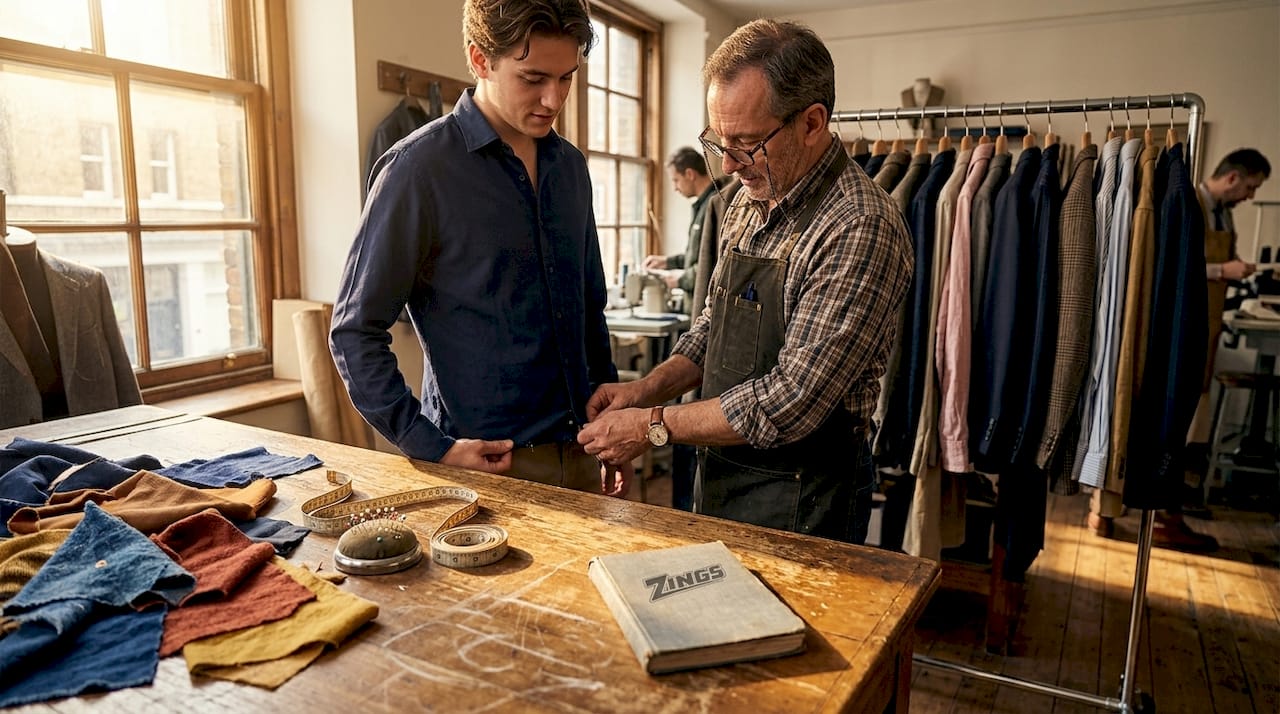
Tailoring sounds expensive, but it is not. A basic hem, a waist take-in, or sleeve shortening typically costs $10 to $25 per item. That is far less than replacing a garment that almost fits. Knowing smarter sizing tips before you buy online also saves time and return hassle.
Pro Tip: Use the “Pull 3” shopping trick. Pull three sizes of the same item and try all three. Buy only the one that passes all three fit checks without compromise. This removes the temptation to settle for “close enough.”
Build your capsule wardrobe: versatile essentials for casual style
Once fit is your filter, the next step is choosing the right pieces. A capsule wardrobe is a focused collection of versatile items that mix and match with minimal effort. According to wardrobe planning research, a functional capsule wardrobe for men typically contains 25 to 35 pieces, including shoes and outerwear, and can generate over 100 distinct outfit combinations.
The key principle is compatibility. Each item should pair naturally with at least 8 to 10 others in your collection. Neutral colors are what make this possible. Think navy, white, gray, black, olive, and tan. These shades do not fight each other.
Here is a simple framework for building a functional wardrobe across categories:
| Category | Recommended quantity | Example items |
|---|---|---|
| Tops | 8 to 10 | Oxford shirts, t-shirts, crewneck sweaters |
| Bottoms | 5 to 6 | Dark jeans, chinos (navy, tan, olive) |
| Outerwear | 2 to 3 | Lightweight jacket, wool coat, bomber |
| Footwear | 3 to 4 | White sneakers, Chelsea boots, loafers |
| Accessories | 4 to 5 | Belt, watch, cap, bag |
Pro Tip: Build in phases. Start with the tops and bottoms rows first. Add outerwear and footwear next. Accessories last. This prevents the common mistake of buying a great jacket before you have the basics to pair it with.
Nail your color palette: the 60-30-10 rule for effortless coordination
Color is where most men lose confidence. The fix is a simple formula. The 60-30-10 rule divides your outfit into three layers of color that naturally balance each other.
- 60% dominant neutral: This is your base. Navy, charcoal, black, or gray. It anchors the whole look.
- 30% secondary color: This adds depth. It might be a mid-blue, burgundy, olive, or camel. It complements but does not compete.
- 10% accent: A pop of color through a watch strap, a pocket square, or clean sneakers in a contrasting tone.
You can also apply what stylists call the “Sandwich Rule.” Match your top layer (jacket or shirt) to your shoes. This creates a visual frame around your outfit and makes the whole look feel pulled together, even with a simple middle layer.
Here is how the formula plays out across different style contexts:
| Style vibe | 60% base | 30% secondary | 10% accent |
|---|---|---|---|
| Professional casual | Navy chinos + white shirt | Camel blazer | Brown leather watch |
| Weekend casual | Gray jeans + gray tee | Olive jacket | White sneakers |
| Modern smart-casual | Black trousers + black shirt | Dark burgundy cardigan | Silver minimalist watch |
Use these trendy outfit building tips as a starting point and adjust to what already lives in your closet.
Essential men’s style checklist: 10 must-have wardrobe items
Here are the ten items that form the core of a strong casual and smart-casual wardrobe. Each one is affordable, timeless, and works across multiple outfit combinations.
- Tailored navy blazer: The most flexible piece in menswear. Dress it up over chinos and a button-down. Dress it down over jeans and a plain tee.
- White Oxford cloth button-down (OCBD): The most versatile piece a man can own. Tuck it in, leave it out, roll the sleeves. It works in almost any setting.
- Dark indigo jeans: Not washed out, not black. True dark denim reads as smart-casual and pairs with almost everything above the waist.
- Gray or navy crewneck sweater: The ideal layering piece. Wear it over a collared shirt or under a jacket for added depth.
- Neutral chinos (navy, tan, or olive): A smarter alternative to denim that still keeps the look relaxed and casual.
- White minimalist leather sneakers: Clean, simple, and compatible with nearly every casual and smart-casual combination.
- Brown leather boots (Chelsea or service style): More refined than sneakers without crossing into formal territory. A Chelsea boot especially transitions well from day to night.
- Classic brown leather belt: Match it to your brown boots for an automatic, cohesive look without effort.
- Lightweight jacket (canvas or bomber): Essential for layering in transitional weather. Goes over almost any outfit and adds structure.
- Minimalist watch: One quality watch with a simple face and leather or metal strap elevates every outfit. Wear it daily.
Use your denim styling guide to understand how dark jeans work across different outfit combinations and occasions.
Care and smart shopping strategies to extend wardrobe life
Owning better clothes means protecting them. Simple care habits can extend garment life by two to three times compared to careless washing routines.
Follow these practical habits:
- Wash cold: Hot water breaks down fabric fibers faster and shrinks natural materials like cotton and wool.
- Air dry when possible: Tumble drying on high heat is the single fastest way to degrade fit and fabric quality.
- Use less detergent: More soap does not mean cleaner clothes. Residue builds up and stiffens fabric over time.
- Skip fabric softener on technical or natural fibers: It coats the fiber and reduces breathability and structure.
- Air out wool and cashmere between wears: These fabrics do not need frequent washing. Hang them in fresh air and they recover on their own.
For shopping, revisit the “Pull 3” trick from the fit section. Apply it to everything you try on, not just shirts.
“Treating your wardrobe as an investment rather than a convenience means buying less often but choosing more carefully. The cost-per-wear of a well-made garment almost always beats the price of replacing a cheap one every season.”
Pro Tip: Keep a one-in, one-out rule. Every time you add a new item, remove one that no longer fits, no longer serves a purpose, or no longer meets your standard. This keeps your wardrobe lean, functional, and easy to navigate. Explore online shopping tips to buy right the first time and avoid returns.
Rethinking men’s style in 2026: quality, simplicity, and presence
Here is the uncomfortable truth most style content avoids: more clothes do not make you more stylish. They make you more overwhelmed.
The men who consistently look good do not have larger wardrobes. They have more intentional ones. A modern approach to men’s style in 2026 centers on “presence over logos” and “fit over flex.” That means how you carry yourself in well-fitted, well-maintained clothes beats a rack full of branded items that fit poorly.
Most men have been told the solution is buying more. A new trend piece here, a seasonal drop there. The reality is that the most confident dressers tend to wear variations of the same 15 to 20 pieces, rotating them thoughtfully. They know what works for their body, their life, and their budget.
There is also a practical financial case for going smaller. Fast fashion pieces made of synthetic blends typically last 10 to 20 washes before they lose shape. A cotton or linen piece bought once, cared for correctly, and worn 200 times costs a fraction per wear. The math always wins for quality over volume.
Pre-planning outfits the night before or on Sunday evening removes the morning scramble that leads to bad choices. A small wardrobe that you know inside out supports this habit far better than a stuffed closet you cannot navigate. Explore smart wardrobe updates as a way to refresh without rebuilding from scratch.
The goal is a wardrobe where everything fits, everything works together, and getting dressed takes two minutes instead of twenty.
Discover affordable styles with ZINGS 365’s curated collection
With your style checklist mapped out, the next step is finding pieces that actually match it. ZINGS 365 carries a range of affordable, well-designed casual clothing built for the kind of wardrobe this guide describes.

Start with the basics. Their affordable casual trousers are a strong fit for the chino and denim slots on your checklist. Their stylish casual shirts fill the smart-casual top layer without the department store markup. For layering, the range of versatile casual jackets covers transitional seasons and adds structure to any everyday outfit. ZINGS 365 updates its catalog regularly, so you can build your capsule wardrobe over time without a single large spend.
Frequently asked questions
What is the most important factor in improving men’s style?
Fit is the most crucial factor. Roughly 90% of style mistakes come from poor fit rather than low price, meaning tailoring affordable clothes will outperform buying expensive ones that do not fit your body.
How many pieces should a men’s capsule wardrobe have?
A functional men’s capsule wardrobe typically contains between 25 and 35 versatile items, which can generate over 100 outfit combinations across casual and smart-casual occasions.
What colors should I focus on in my wardrobe?
Stick to a palette where roughly 60% of your outfit is neutral (navy, gray, or black), 30% is a complementary secondary color, and 10% is an accent detail. The 60-30-10 rule keeps outfits balanced and easy to coordinate daily.
How can I extend the life of my clothes?
Wash in cold water, air dry instead of machine drying, use minimal detergent, and skip fabric softener on natural fibers. Simple care habits like these can extend garment lifespan by two to three times.
Is it better to buy many cheap clothes or fewer quality items?
Fewer, higher quality items almost always deliver better cost-per-wear value than frequently replacing cheap synthetic garments that lose shape after a few washes. Natural fabrics worn regularly and cared for properly are the smarter long-term investment.
