

TL;DR:
- Ethical fashion emphasizes fair labor, responsible materials, and transparent supply chains. It aims to reduce environmental harm and prevent greenwashing by promoting verified practices and durability. Buying less and caring for clothes extends the benefits of ethical principles beyond individual brands.
Ethical fashion is defined as the practice of producing clothing and accessories in ways that respect workers, minimize environmental harm, and maintain transparency across every stage of the supply chain. The term overlaps significantly with sustainable fashion, though ethical fashion places equal weight on social responsibility alongside environmental impact. The fashion industry generates 92 million tons of textile waste every year. That number signals a system under serious strain, and it explains why more shoppers are demanding accountability from the brands they buy from.
What is ethical fashion, and what principles drive it?
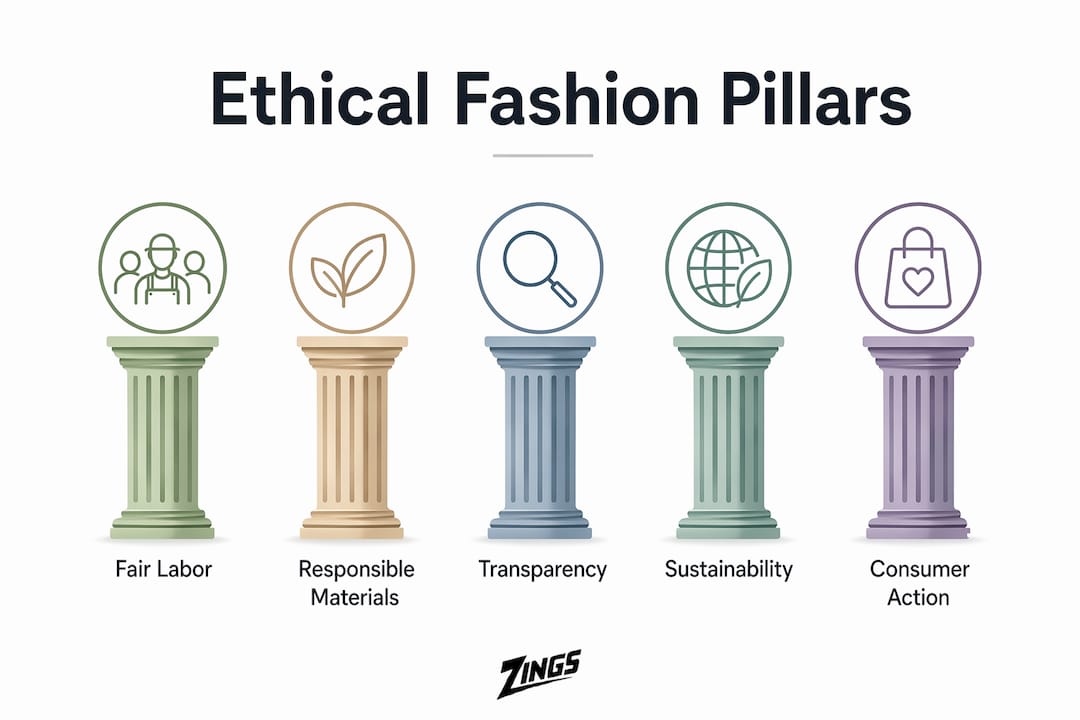
Ethical fashion rests on three core pillars: fair labor, responsible materials, and supply chain transparency. Remove any one of them, and a brand’s ethical claims fall apart. Understanding these pillars helps you cut through marketing noise and identify what genuine responsibility looks like in practice.
Fair labor and worker rights
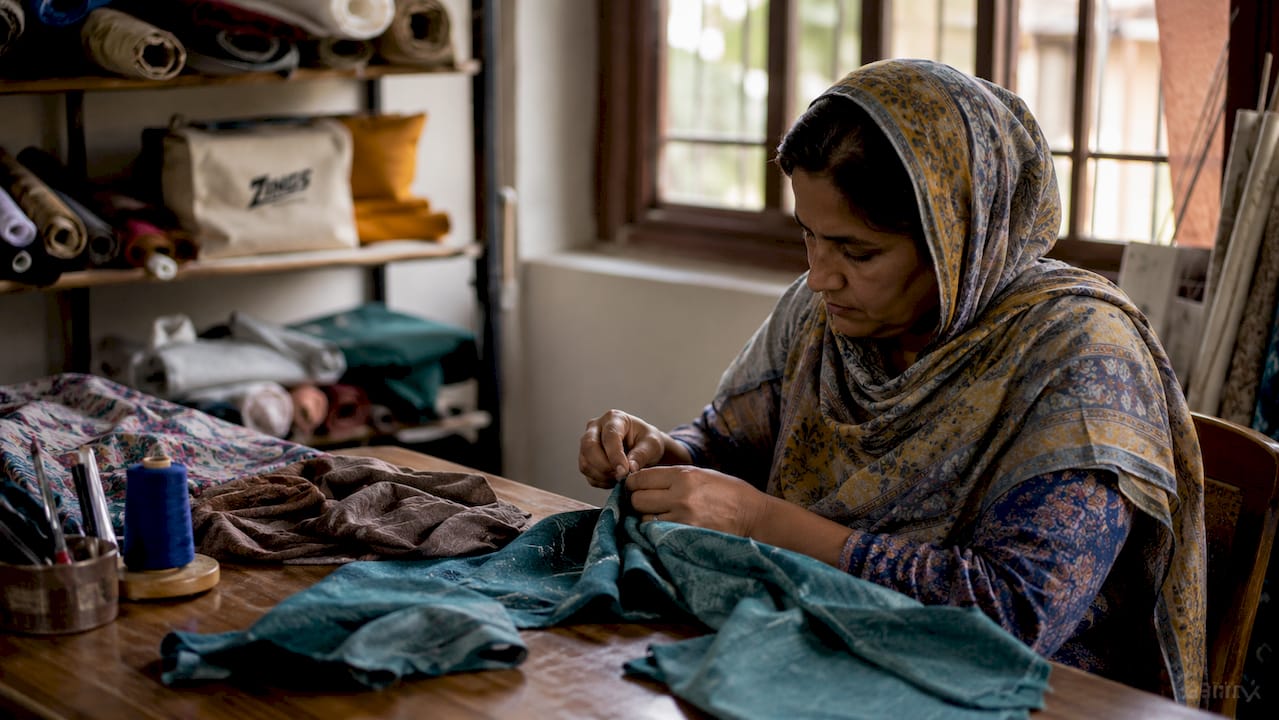
Fair wages and safe working conditions are the foundation of ethical production. Certifications like Fair Trade and GOTS verify compliance with labor standards at specific points in the supply chain. These certifications matter, but they are a starting point rather than a complete guarantee. A factory can pass an audit in March and change practices by june. Verified, ongoing transparency is what separates genuinely ethical brands from those that simply hold a certificate.
Responsible material sourcing
Material choices carry enormous consequences. Ethical fashion requires phasing out PFAS and other toxic chemicals while shifting toward recycled fibers and non-toxic dyes. This reduces dependence on virgin resources and cuts the chemical load released into waterways during manufacturing. Organic cotton, recycled polyester, and plant-based fibers each represent steps in the right direction, though none is perfect on its own.
Supply chain transparency
Transparency means a brand can tell you exactly where and how each garment was made. Blockchain-based platforms like TrusTrace and Textile Genesis now offer real-time supply chain traceability, going well beyond what a static annual audit can confirm. This technology lets brands and consumers verify claims at any point, not just when an inspector visits.
Here is what to look for when evaluating a brand’s ethical credentials:
- Published factory lists with locations and audit results
- Third-party certifications such as GOTS, Fair Trade, or B Corp
- Clear information on fiber sourcing and chemical use
- A stated policy on living wages, not just minimum wages
- Accessible grievance mechanisms for workers
Pro Tip: Search a brand’s website for the word “factory” or “supplier.” If the search returns nothing, that absence tells you something important about their transparency.
How does ethical fashion reduce environmental and social harm?
Conventional fashion operates on a take-make-waste model. Ethical fashion challenges that model by applying circular economy thinking: designing for durability, enabling repair, and recovering materials at end of life. The contrast between the two approaches is stark.
| Factor | Conventional fashion | Ethical fashion approach |
|---|---|---|
| Textile waste | 92 million tons annually | Circular design, upcycling, repair programs |
| Chemical use | Toxic dyes and PFAS common | Non-toxic dyes, PFAS phase-out |
| Labor conditions | Often unverified | Verified wages and safe conditions |
| Garment lifespan | Short, trend-driven | Durable, designed for longevity |
| End-of-life recovery | Less than 1% recycled | Active recycling and take-back programs |
The recycling gap is the most striking problem in the current system. Only about 1% of discarded clothing gets recycled into new garments, largely because blended fabrics are technically difficult to separate and reprocess. Ethical fashion brands address this by designing with single-fiber or easily separable materials from the start.
The social benefits are equally concrete. When brands pay living wages, workers can afford healthcare, education, and stable housing. Those gains ripple through entire communities, particularly in garment-producing regions of South and Southeast Asia.
“Extending garment life reduces environmental and social impacts far more effectively than buying new eco-friendly pieces. The most powerful consumer action is not switching brands. It is buying less and caring more for what you already own.”
You can read more about the circular economy in fashion and how it connects to everyday purchasing decisions.
What is greenwashing, and how do you spot it?
Greenwashing is the practice of making vague or misleading sustainability claims to attract eco-conscious shoppers without making genuine changes to production. It is the single biggest obstacle to progress in ethical fashion, because it erodes trust and makes it harder to identify brands doing real work.
Brands reluctant to disclose factory locations are rarely operating ethically. Transparency is the clearest signal of genuine commitment. A brand that publishes its supplier list, audit results, and wage data has far less to hide than one that relies on phrases like “sustainably inspired” or “eco-conscious collection.”
Common greenwashing tactics include:
- Using the word “sustainable” without defining what it means
- Highlighting one green attribute while ignoring larger harms, such as promoting organic cotton in a garment made under unverified labor conditions
- Launching a small “conscious” line while the core business model remains unchanged
- Citing certifications that cover only one tier of a multi-tier supply chain
Regulatory pressure is increasing. The EU’s Digital Product Passport requires brands to provide verifiable product data across their supply chains, making it harder to hide behind vague claims. This regulation is reshaping how brands document and communicate their ethical credentials. For a deeper look at how to separate genuine progress from marketing spin, carbon-neutral fashion claims deserve the same critical scrutiny.
Pro Tip: When a brand makes a sustainability claim, ask one question: “Can I verify this independently?” If the answer is no, treat the claim with skepticism.
How can you identify and support truly ethical fashion brands?
Supporting ethical fashion does not require a complete wardrobe overhaul. The most impactful consumer actions focus on garment longevity rather than simply switching to new eco-labeled products. Here is a practical framework for making better choices:
- Check for verified factory disclosure. Ethical brands publish their supplier lists. If a brand cannot tell you where its garments are made, that is a red flag.
- Prioritize durability over trend. A well-made shirt worn 200 times has a fraction of the impact of a cheap one worn 10 times. Ask about fabric weight, stitching quality, and care instructions before buying.
- Use certifications as a filter, not a final answer. GOTS and Fairtrade certifications confirm compliance at specific moments but do not guarantee ongoing ethics throughout the supply chain. Combine certification checks with transparency research.
- Buy secondhand first. Secondhand purchasing extends garment life and removes demand for new production entirely. Thrift stores, resale platforms, and clothing swaps all count.
- Repair and care for what you own. Washing clothes in cold water, air drying, and repairing small damage before it worsens can double or triple a garment’s useful life.
- Ask brands direct questions. Email a brand and ask where a specific garment was made and what the workers were paid. A genuine ethical brand will answer. Others will not.
Ethical clothing brands that meet these criteria share one trait: they treat transparency as a feature, not a liability. You can also review the standards behind ethical clothing to build a sharper checklist before your next purchase.
The partner resource on conscious shopping guidance offers additional frameworks for evaluating brands across different product categories.
Key Takeaways
Ethical fashion is defined by fair labor, responsible materials, and verified supply chain transparency. No brand achieves all three perfectly, but the gap between genuine effort and greenwashing is measurable.
| Point | Details |
|---|---|
| Core definition | Ethical fashion covers fair labor, safe materials, and transparent supply chains together. |
| Recycling gap | Only 1% of discarded clothing is recycled, making durability and repair more impactful than recycling alone. |
| Greenwashing risk | Vague claims without verified factory data are the clearest sign of greenwashing. |
| Certification limits | GOTS and Fair Trade confirm point-in-time compliance but do not guarantee ongoing ethical practice. |
| Consumer impact | Extending garment life through repair and secondhand buying reduces harm more than buying new ethical pieces. |
The part of ethical fashion most shoppers miss
Ethical fashion is not a binary state. No brand operating at scale today has a fully clean supply chain. I have spent years reading brand reports, audit summaries, and worker testimony, and the honest conclusion is that every brand sits somewhere on a spectrum rather than at a fixed point labeled “ethical” or “not ethical.”
What frustrates me most is how the conversation gets hijacked by product launches. A brand releases a “sustainable capsule collection” and earns headlines, while its core production practices stay unchanged. The systemic change ethical fashion requires goes far beyond any single product line. It demands degrowth thinking, circular economy infrastructure, and regulatory accountability.
The most underrated consumer action is also the simplest: buy less. Not buy better, though that matters too. Buy less. A wardrobe of 30 well-chosen, well-cared-for pieces creates less harm than 100 pieces from certified ethical brands. That is not a comfortable message for any retailer to deliver, but it is the honest one.
— TONY
Quality clothing worth keeping at Zings365
Ethical fashion starts with choosing pieces built to last. Zings365 carries men’s apparel designed with durability and thoughtful construction in mind, the kind of clothing you reach for season after season rather than replacing every few months.

The fall men’s casual fashion shirt at Zings365 is a strong example: a well-structured, slim-fit long-sleeved shirt built for repeated wear across multiple seasons. For a complete look, the men’s casual jacket pairs quality construction with a versatile style that holds up over time. Buying fewer, better pieces is one of the most direct ways to put ethical fashion principles into practice.
FAQ
What is the difference between ethical and sustainable fashion?
Ethical fashion focuses on social responsibility, including fair wages and safe working conditions, while sustainable fashion emphasizes environmental impact. The two overlap significantly, and the strongest brands address both.
Are certifications like GOTS and Fair Trade enough to verify ethical fashion?
Certifications confirm compliance at specific points in time but do not guarantee ongoing ethical practice across the full supply chain. Use them as a starting filter, then look for verified factory disclosure and wage data.
What is greenwashing in fashion?
Greenwashing is the use of vague or misleading sustainability claims to attract eco-conscious shoppers without making genuine changes to production practices. Brands that refuse to disclose factory locations are a common example.
What is the most impactful thing a consumer can do for ethical fashion?
Extending garment life through repair, proper care, and secondhand purchasing reduces environmental and social harm more effectively than buying new ethical products. Buying less overall remains the single most impactful action.
How does blockchain improve ethical fashion transparency?
Platforms like TrusTrace and Textile Genesis use blockchain to provide real-time supply chain traceability, allowing brands and consumers to verify ethical claims at any point rather than relying solely on periodic audits.
