

TL;DR:
- Cotton and polyester account for over 80% of global apparel fiber use, but natural fibers like silk and linen offer unique performance qualities.
- Choosing the appropriate fabric depends on garment purpose, care preferences, sustainability goals, and budget, with blends providing balanced benefits.
A clothing fabric is the finished textile material used to construct a garment, and your choice of fabric determines how a piece feels, performs, wears, and washes. Cotton and polyester together account for more than 80% of global apparel fiber usage, which tells you where most of what you own already sits on the spectrum. But the full picture of fabric types runs much deeper than those two. This guide to clothing fabrics covers 15 key types, from natural fibers like linen and silk to synthetics like nylon and spandex, plus blends, weaves, and how to choose fabrics that match your actual needs.
1. Cotton
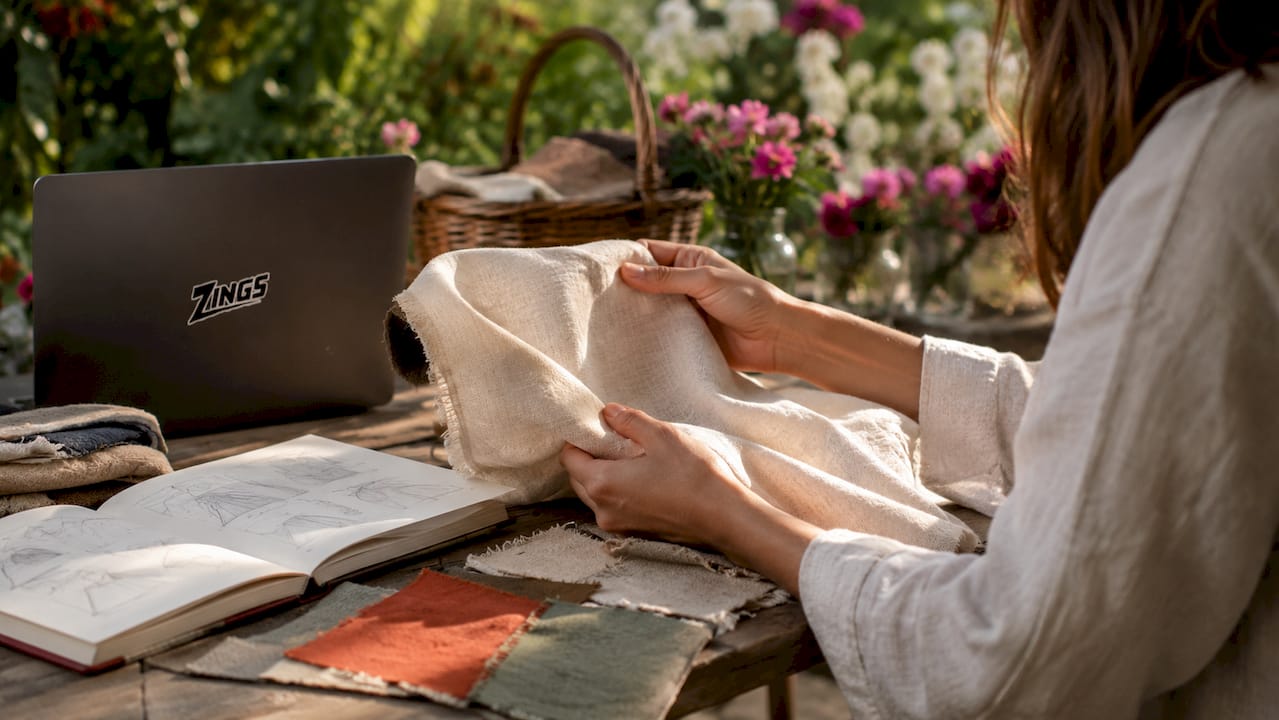
Cotton is the most widely used natural fiber in apparel, valued for breathability, softness, and easy care. It absorbs moisture well, making it comfortable against the skin in warm weather. Cotton does shrink in hot water and wrinkles more than synthetics, so cold-wash and low-heat drying are standard practice. Common uses include t-shirts, jeans, underwear, and casual shirts.
2. Polyester
Polyester is a synthetic fiber that dries fast and resists wrinkles, making it the dominant choice for activewear and easy-care garments. It holds color well and is more durable than most natural fibers at the same price point. The trade-off is breathability: polyester traps heat and can feel uncomfortable in high temperatures. You will find it in sportswear, outerwear linings, and budget casualwear.
3. Cotton-polyester blend
A cotton-polyester blend combines the softness of cotton with the durability and wrinkle resistance of polyester. Blended fabrics balance comfort, durability, and care in ways that single-fiber fabrics cannot. A 60/40 cotton-poly blend, for example, feels softer than pure polyester but holds its shape better than pure cotton. This blend is standard in everyday t-shirts, hoodies, and casual trousers.
4. Linen
Linen is made from flax and is one of the most breathable fabrics available, making it a top choice for summer wear. It is lightweight, cool against the skin, and gets softer with each wash. The drawback is that linen wrinkles easily and has a casual, relaxed appearance that does not suit formal settings. Best uses include summer shirts, trousers, and beach cover-ups.
5. Wool
Wool is a natural protein fiber that insulates in cold weather while remaining breathable enough to regulate body temperature. It resists odor naturally, which is why merino wool base layers are popular in outdoor and travel clothing. Wool requires careful washing since most types shrink and felt under heat and agitation. Common applications include coats, sweaters, suits, and cold-weather accessories.
6. Silk
Silk is a natural protein fiber produced by silkworms, known for its luster, smooth drape, and soft hand-feel. It carries the highest cost per yard of any common fabric and has limited domestic manufacturing in the US, which keeps prices elevated. Silk requires dry cleaning or very gentle hand washing. You will find it in luxury blouses, evening wear, scarves, and linings.
7. Denim
Denim is a cotton twill weave fabric, typically woven with an indigo-dyed warp thread and a white weft thread. The twill construction gives denim its diagonal rib texture and contributes to its durability. It is stiff when new but softens significantly with wear and washing. Denim is used almost exclusively in jeans, jackets, and casual shirts.
8. Spandex (Lycra/Elastane)
Spandex, also sold under the brand name Lycra, is a synthetic fiber engineered for stretch. It is rarely used alone but is blended into fabrics at 2 to 10 percent to add recovery and flexibility. Polyester/elastane and nylon/elastane blends are standard in activewear, swimwear, and fitted casualwear for this reason. Spandex retains its shape through repeated stretching, which is why athletic leggings and compression garments rely on it.
9. Nylon
Nylon is a strong, lightweight synthetic fiber with excellent abrasion resistance. It dries quickly and is often used in performance outerwear, swimwear, and hosiery. Nylon is less breathable than cotton but more durable under friction, making it the preferred choice for bag linings, windbreakers, and athletic shorts. It also resists mildew, which matters for swimwear and outdoor gear.
10. Fleece
Fleece is a synthetic knit fabric, usually made from polyester, designed to trap warm air close to the body. It is lightweight, soft, and quick-drying, which makes it a practical alternative to wool for casual outerwear. Fleece does not block wind on its own and is typically layered under a shell jacket. Common uses include hoodies, zip-up jackets, and athletic warm-up layers.
Pro Tip: Check the fabric label before buying fleece. A higher-weight fleece, measured in grams per square meter, provides more warmth but less packability. A 200 gsm fleece is a good all-around choice for layering.
11. Velvet
Velvet is a woven fabric with a short, dense pile that creates a soft texture and rich visual depth. It can be made from silk, cotton, or synthetic fibers, with the fiber content affecting both cost and care requirements. Velvet crushes easily and requires careful storage and dry cleaning in most cases. It appears in eveningwear, blazers, and decorative accessories.
12. Rayon (Viscose)
Rayon, also called viscose, is a semi-synthetic fiber made from wood pulp that has been chemically processed. It drapes well, feels soft, and is more breathable than polyester, but it is also weaker when wet and prone to shrinking. Rayon is widely used in casual dresses, blouses, and lightweight trousers where drape matters more than durability. Check care labels carefully since many rayon garments require hand washing or dry cleaning.
13. Modal and Tencel
Modal and Tencel are cellulosic fibers processed from wood pulp using methods that produce lower environmental impact than traditional rayon. Both are noted for exceptional softness and breathability, and Tencel in particular is produced in a closed-loop process that recycles water and solvents. These fibers are fast-growing in sustainable fashion lines and are used in underwear, activewear, and soft casual tops. They wash well and resist pilling better than standard rayon.
14. Canvas
Canvas is a heavy, plain-woven fabric traditionally made from cotton or linen. Its tight weave makes it stiff, durable, and resistant to tearing, which is why it appears in workwear, bags, and structured outerwear. Canvas does not drape and is not suited to fitted or lightweight garments. It softens slightly with wear but retains its structure far longer than most casual fabrics.
15. Recycled polyester (rPET)
Recycled polyester is made from post-consumer plastics such as PET bottles, and it delivers performance nearly identical to virgin polyester. It supports sustainable apparel goals by diverting plastic waste from landfills without sacrificing durability or color retention. Many activewear and outdoor brands now specify rPET in their product descriptions as a sustainability marker. If environmental impact matters to you, look for the Global Recycled Standard (GRS) certification on the label.
How fabric weaves and construction affect clothing properties
A fabric is defined by two separate factors: the fiber it is made from and the construction method used to create the textile. Distinguishing fiber from weave is one of the most useful skills for predicting how a garment will behave. A cotton sateen, for example, is smoother and more lustrous than a cotton percale because the weave structure differs, not the fiber.
Weave types like twill and satin directly influence appearance and function. Twill creates a diagonal rib pattern that adds durability and structure, which is why denim and chinos use it. Satin weave floats threads over the surface to create a smooth, lustrous face that drapes well but snags more easily. Poplin is a plain weave that produces a crisp, lightweight fabric suited to dress shirts.
| Weave type | Texture | Durability | Common use |
|---|---|---|---|
| Twill | Diagonal rib, firm | High | Denim, chinos, jackets |
| Satin | Smooth, lustrous | Moderate | Eveningwear, linings |
| Poplin | Crisp, flat | Moderate to high | Dress shirts, blouses |
| Jersey knit | Soft, stretchy | Moderate | T-shirts, casual tops |
Knit constructions differ from woven fabrics in that the yarn loops rather than interlaces. This gives knits their characteristic stretch and recovery, which is why jersey fabric moves with the body while a woven poplin does not.
How to choose the right fabric for your needs
Fabric selection should align with garment purpose, care preferences, sustainability goals, and budget. A fabric that performs well in one context can fail in another. Here is a practical framework for making that decision.
-
Match fabric to function. Performance clothing needs moisture management and stretch, so polyester/elastane blends or nylon/elastane are the right starting point. Casual everyday wear favors cotton or cotton-poly blends for comfort and easy care. Luxury or occasion wear calls for silk, wool, or modal for hand-feel and drape.
-
Consider care requirements. Natural fabrics offer better breathability but can shrink and wrinkle with improper washing. If you want low-maintenance clothing, synthetics and blends are more forgiving. Always check the care label before buying, not after the first wash.
-
Factor in sustainability. Organic cotton, Tencel, and recycled polyester carry recognized certifications such as GOTS (Global Organic Textile Standard) and GRS. These certifications verify environmental claims and are worth looking for if sustainable fabric choices matter to you.
-
Set a realistic budget. Silk and high-grade wool cost significantly more per yard than cotton or polyester. Blended fabrics often deliver a practical middle ground, combining desirable properties at a lower price point.
Pro Tip: When shopping online, read the fabric composition listed in the product description, not just the product name. A “silk blouse” may contain as little as 30% silk blended with polyester. The full fiber breakdown tells you what you are actually buying.
Comparing natural, synthetic, and blended fabrics
Balancing breathability, durability, ease of care, and sustainability is the core challenge of fabric selection. The table below summarizes how the three main fabric groups perform across those criteria.
| Fabric group | Breathability | Durability | Care | Cost |
|---|---|---|---|---|
| Natural (cotton, wool, silk, linen) | High | Moderate | Requires care | Moderate to high |
| Synthetic (polyester, nylon, spandex) | Low to moderate | High | Easy | Low to moderate |
| Semi-synthetic (rayon, modal, Tencel) | Moderate to high | Moderate | Varies | Moderate |
| Blended (cotton-poly, nylon-elastane) | Moderate | High | Easy to moderate | Low to moderate |
Natural fibers lead on comfort and breathability but demand more attention during washing. Synthetics win on durability and ease of care but can feel less comfortable in heat. Semi-synthetics like modal and Tencel sit in a useful middle position, offering softness and breathability with better sustainability credentials than standard synthetics. Blends are the practical choice for most everyday clothing because they combine the strengths of two fiber types while reducing the weaknesses of each.
Key takeaways
Choosing the right clothing fabric requires matching fiber type, construction, care requirements, and sustainability credentials to the garment’s intended use.
| Point | Details |
|---|---|
| Cotton and polyester dominate | These two fibers cover more than 80% of global apparel, making them the baseline for most wardrobe decisions. |
| Weave affects performance | The same fiber in different weaves produces different textures, drape, and durability outcomes. |
| Natural fibers need careful care | Cotton, wool, silk, and linen offer comfort but shrink or wrinkle without proper washing. |
| Sustainable options exist | Tencel, modal, organic cotton, and rPET carry certifications that verify environmental claims. |
| Blends offer practical balance | Cotton-poly and nylon-elastane blends combine comfort and durability at accessible price points. |
What I’ve learned from years of reading fabric labels
Most people buy clothing based on how it looks in a photo, then are surprised when it pills after three washes or shrinks after the first machine cycle. The fabric label is the most ignored piece of information in retail, and it is the most useful one.
My honest view is that the natural versus synthetic debate is largely a false choice. A well-constructed cotton-poly blend outlasts a poorly finished 100% cotton shirt in almost every practical test. What matters more is the fabric weight, the weave tightness, and the finishing treatments applied during manufacturing. A 180 gsm jersey cotton t-shirt will hold up far better than a 120 gsm version of the same blend.
The other thing worth saying plainly: sustainability certifications like GOTS and GRS are not marketing language. They represent third-party audited supply chains, and they are worth paying a small premium for if you care about where your clothing comes from. The role of fabric choice in everyday fashion is bigger than most shoppers realize, and it starts with reading what is actually on the label before you check out.
— TONY
Explore fabric-forward clothing at Zings365
Zings365 carries a catalog built around fabric variety, from woven casual shirts to performance activewear and wool outerwear.

The men’s casual fashion shirt features jacquard weave construction, a practical example of how weave type shapes the look and feel of a garment. For colder months, the wool coat for women demonstrates natural fiber performance in structured outerwear. If activewear fabrics are your focus, the women’s track suits use performance synthetics with stretch fiber blends suited to movement and moisture management. Browse the full Zings365 catalog to find garments matched to the fabric types covered in this guide.
FAQ
What are the most common types of clothing fabrics?
Cotton and polyester are the two most common clothing fabrics, together accounting for more than 80% of global apparel fiber usage. Other widely used types include linen, wool, silk, nylon, spandex, rayon, and blended fabrics like cotton-polyester.
What is the best fabric for summer wear?
Linen and cotton are the best fabrics for summer wear because both are lightweight, breathable, and moisture-absorbent. Linen is particularly effective in heat since it is made from flax and stays cool against the skin.
What is the difference between fabric fiber and weave?
Fabric fiber refers to the raw material, such as cotton or polyester, while weave is the construction method used to create the textile. The same fiber in different weaves, such as twill versus satin, produces different textures, drape, and durability.
Which fabrics are the most sustainable?
Tencel, modal, organic cotton, and recycled polyester (rPET) are among the most sustainable fabric options. Tencel is produced in a closed-loop manufacturing process, while rPET is made from post-consumer plastic bottles and carries the Global Recycled Standard certification.
How should I care for natural fabric clothing?
Natural fabrics like cotton, wool, silk, and linen generally require cold-water washing, gentle cycles, and low-heat drying to prevent shrinkage and wrinkling. Always check the care label since finishing treatments can change the washing requirements for individual garments.
