

TL;DR:
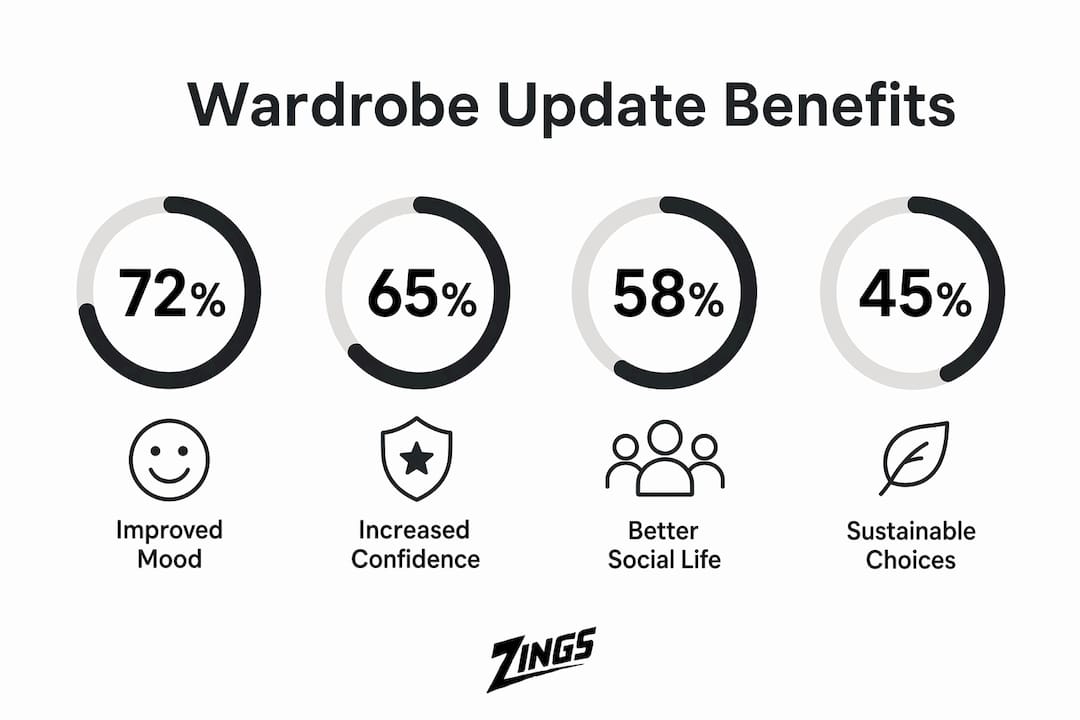
- Updating your wardrobe in 2026 enhances your well-being by increasing clothing satisfaction and social confidence.
- A capsule wardrobe built from natural fibers and seasonal refreshes supports sustainability and simplifies dressing.
Updating your wardrobe in 2026 is defined as the deliberate process of curating clothing that reflects your current identity, lifestyle, and values. This is not about chasing every trend that surfaces in february. It is about building a closet that works for who you are right now, not who you were three years ago. Research confirms that clothing satisfaction directly links to optimism, social confidence, and well-being. The benefits of wardrobe updates go far beyond aesthetics. They touch psychology, sustainability, and the practical reality of getting dressed without frustration every single morning.
Why update your wardrobe in 2026: the psychological case
Clothing satisfaction is a measurable driver of well-being, not a vanity metric. A 2026 Journal of Macromarketing study tracked 252 women aged 38–67 and found that well-fitting clothes correlate with higher optimism and greater social participation. That finding reframes the entire conversation. Getting dressed well is not self-indulgence. It is self-management.
“Psychologists assert that caring about appearance is essential for social confidence, not vanity.” The research backs this up: women who felt satisfied with their clothing were significantly more likely to engage socially and report positive moods.
Social withdrawal is one of the least-discussed consequences of a neglected closet. When your clothes no longer fit your body or your life, you avoid situations where you feel exposed. You skip the dinner, the meeting, the event. Clothing satisfaction removes that barrier. It gives you one less reason to stay home.
Clothes also carry emotional weight tied to specific life stages. A jacket from a job you left, jeans from a body you no longer have, shirts that belong to a version of you that no longer exists. Holding onto those pieces creates a daily friction that is easy to underestimate. Refreshing your closet clears that friction and signals to yourself that your current life is worth dressing for.
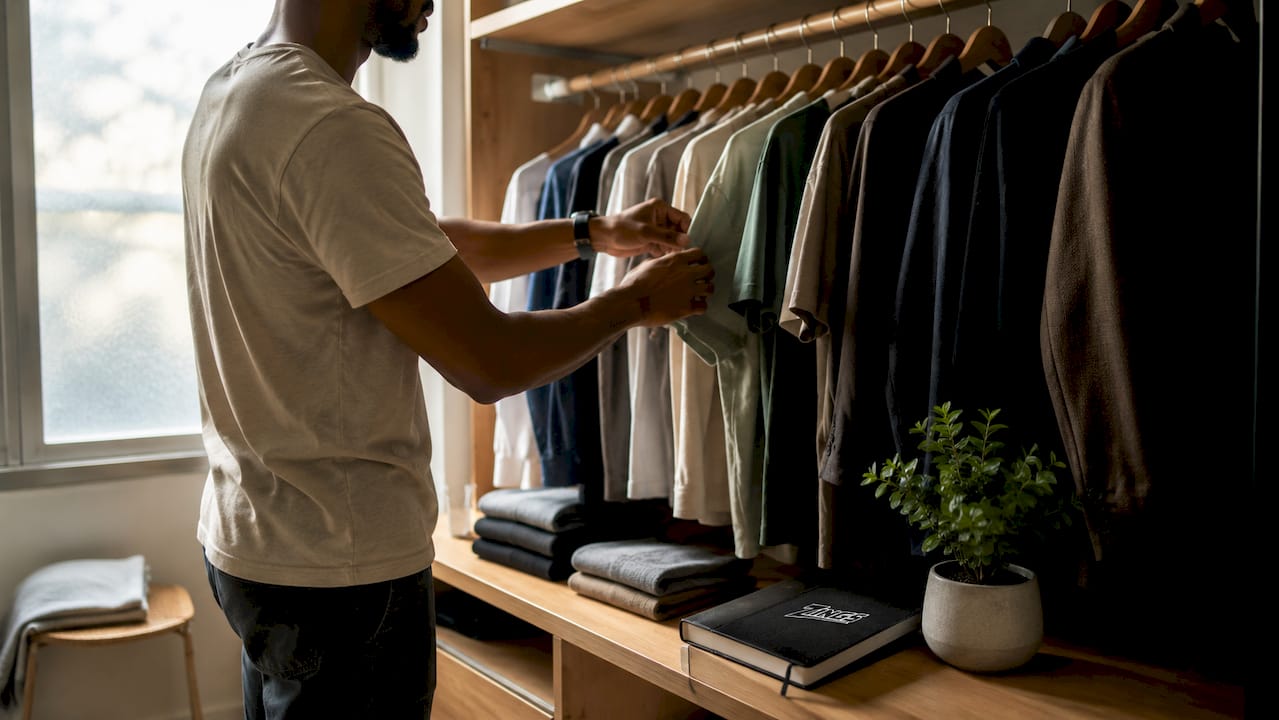
How can you refresh your closet effectively and sustainably?
The capsule wardrobe concept is the most practical framework for a 2026 wardrobe update. It means owning fewer, versatile pieces made from quality materials, rather than a bloated closet full of items you never reach for. Natural fibers like cotton, wool, and linen last longer, hold their shape better, and look more considered than synthetic alternatives. A capsule approach also makes daily dressing faster because every item works with everything else.
A seasonal swap routine is the operational backbone of a well-maintained closet. A 30–60 minute seasonal refresh that includes minor repairs, such as replacing buttons or re-stitching hems, extends clothing life and reduces the frustration of reaching for something that is not ready to wear. You can store off-season pieces in suitcases or pillowcases, which are cost-free storage solutions that protect garments without requiring new purchases.
Here is a practical four-step process for refreshing your closet this season:
- Audit what you own. Turn all hangers backward at the start of the season. After 3–6 months, items still facing backward are prime candidates for donation or sale. This system removes emotion from the decision.
- Edit section by section. Tackle one category at a time: tops, then bottoms, then outerwear. Gradual wardrobe curation avoids the decision fatigue that comes from pulling everything out at once.
- Repair before replacing. A small repair investment on a quality piece almost always beats buying a cheap replacement. Check seams, zippers, and buttons before deciding something is unwearable.
- Sell or donate what you clear out. Quality unused items sold through resale platforms can earn $20–$80 per stack. That money directly funds better replacements.
Pro Tip: Before buying anything new, check your existing closet for pieces you forgot you owned. Styling advice consistently shows that most people already have more than they think.
For a deeper look at making intentional purchases, the Zings365 guide on shopping trendy clothing without wasting money covers the full decision framework.
Which 2026 fashion trends should shape your wardrobe decisions?
The strongest 2026 fashion trends share one quality: they reward personal interpretation over literal copying. Stylists validate bold colors, tassels, and hyper-layering as the defining aesthetic directions this year. These are not trends that require a full wardrobe overhaul. They are directions you can introduce through one or two new pieces that work with what you already own.
Key trends worth building around in 2026:
- Bold, saturated colors. Cobalt blue, burnt orange, and deep burgundy are replacing the muted neutrals that dominated recent seasons. One bold shirt or jacket is enough to shift the energy of an entire outfit.
- Hyper-layering. Wearing a shirt over a long-sleeve top, or a cardigan under a structured jacket, creates depth without requiring expensive individual pieces. This trend rewards a well-stocked basic wardrobe.
- Tassels and texture details. Small decorative elements on otherwise simple pieces add visual interest without committing to a full statement look.
- Natural fiber investment pieces. Linen trousers, wool coats, and cotton shirts are the foundation of longevity in a 2026 capsule wardrobe.
| Trend | How to apply it | Investment level |
|---|---|---|
| Bold colors | One statement shirt or jacket | Low |
| Hyper-layering | Use existing basics differently | Zero |
| Tassels and texture | Add one accessory or detail piece | Low |
| Natural fiber staples | Replace worn synthetics with quality basics | Medium |
The key distinction is between trend awareness and trend chasing. Experts recommend viewing clothes as tools for self-expression rather than as a scoreboard for keeping up. A 2026 wardrobe update succeeds when it reflects your actual life, not a mood board.
For a full breakdown of what to prioritize, the Zings365 2026 wardrobe essentials guide covers the specific pieces worth adding this year.
Why is evolving your style important and how do you avoid common mistakes?
Style evolution is the ongoing process of aligning your clothing with who you are becoming, not who you were. The biggest obstacle is autopilot shopping: buying the same types of items out of habit without asking whether they still serve you. Interrupting autopilot fashion choices is the first step toward building a personal style language that actually reflects your current goals and lifestyle.
Common mistakes that slow down style evolution:
- Buying filler items. A cheap top that fills a gap but excites no one, including you, is a waste of money and closet space. Every purchase should earn its place.
- Ignoring fit. A well-cut piece in a basic fabric outperforms an expensive piece that does not fit. Fit is the single biggest variable in how clothes read on a person.
- Chasing micro-trends. Trends that last one season cost money and create clutter. Invest in directions that have staying power across multiple years.
- Skipping the “three ways to wear” test. Before buying anything, identify three distinct outfits you would build around it. If you cannot name three, the piece is probably not versatile enough to justify the purchase.
Pro Tip: Stylist advice consistently points to quality over quantity as the single most effective buying rule. Saving for one well-made natural-fiber piece beats buying three cheap versions of the same item.
The financial logic is straightforward. A quality piece worn 100 times costs less per wear than a cheap piece worn 10 times before it falls apart. Modernizing your clothing collection does not require a large budget. It requires a different set of priorities when you spend.
For practical guidance on building intentional buying habits, the Zings365 trendy clothing selection workflow for 2026 walks through the full decision process.
Key takeaways
A wardrobe refresh in 2026 delivers the most value when it is intentional, gradual, and grounded in how you actually live.
| Point | Details |
|---|---|
| Clothing affects well-being | Research links well-fitting clothes to higher optimism and greater social participation. |
| Capsule approach beats volume | Fewer, higher-quality pieces in natural fibers outperform large, unfocused closets. |
| Seasonal audits save money | A 30–60 minute seasonal swap with minor repairs extends clothing life and reduces waste. |
| Trends are tools, not rules | Use 2026 trends like bold colors and layering as inspiration, not a checklist to follow. |
| Intentional buying reduces cost | Applying the “three ways to wear” test before every purchase cuts spending and increases satisfaction. |
The wardrobe reset I wish I had done sooner
Most people treat a wardrobe update as a shopping event. They clear a Saturday, head to the mall, and come home with bags full of things that feel exciting for a week and then disappear into the back of the closet. That approach does not work. I have seen it fail repeatedly, and I have done it myself.
What actually works is treating your closet like a slow edit, not a renovation. You pull one section apart, make honest decisions, and stop before you hit decision fatigue. You repair the pieces worth keeping. You let go of the ones that belong to a version of you that no longer exists. Then you buy one or two things that fill a real gap, not an imagined one.
The psychological shift that matters most is this: your clothes are not a record of who you were. They are a tool for who you are right now. A closet full of pieces that fit your current body, your current job, and your current social life removes friction from every single morning. That is not a small thing. That compounds over time into a measurable difference in how you carry yourself.
The 2026 trends worth paying attention to are the ones that reward personal interpretation. Bold color, layering, and natural fiber investment pieces all give you room to make them your own. That is the version of style evolution that lasts.
— TONY
Refresh your 2026 wardrobe with Zings365
Zings365 carries a range of men’s and women’s pieces built for exactly the kind of intentional wardrobe update this article describes. The catalog includes versatile casual shirts, structured jackets, and layering-ready basics that align with the bold color and hyper-layering directions defining 2026 style.

The men’s casual jacket and the British casual fashion shirt are two strong starting points for a capsule-focused refresh. Both are designed for fit, versatility, and seasonal wear. For women, the knit V-neck T-shirt and the wool coat cover the natural fiber and layering priorities that stylists consistently recommend. Browse the full Zings365 collection to find pieces that match your current style direction.
FAQ
What are the main benefits of updating your wardrobe?
Clothing satisfaction links directly to higher optimism, reduced social withdrawal, and greater well-being. A wardrobe that fits your current life removes daily friction and supports social confidence.
How often should you refresh your closet?
A seasonal swap, roughly four times per year, is the standard recommendation. Each session takes 30–60 minutes and includes minor repairs, storage rotation, and a quick audit of unused items.
What is a capsule wardrobe and why does it matter in 2026?
A capsule wardrobe is a small collection of versatile, high-quality pieces that work together across multiple outfits. It matters in 2026 because it reduces spending, simplifies dressing, and supports sustainable fashion habits.
How do you decide what to keep and what to remove?
The backward hanger method is the most objective tool available. Turn all hangers backward at the start of a season. Any item still facing backward after 3–6 months has not been worn and is a strong candidate for donation or resale.
Should I change my wardrobe to follow 2026 trends?
You do not need to follow every trend. The most effective approach is to use 2026 directions like bold colors and layering as inspiration for one or two new pieces that work with what you already own, rather than rebuilding your closet around a trend cycle.
