

TL;DR:
- Casualwear layering involves combining three layers—base, mid, and outer—to optimize comfort and style through deliberate fabric, fit, and proportion choices. Each layer serves a specific function: moisture management, insulation, and weather protection, with fabric choice crucial for temperature regulation and visual coherence. Proper fit hierarchy and staggered sleeve and hem lengths prevent bulk, enabling versatile outfits adaptable to changing temperatures while maintaining a polished appearance.
The casualwear layering process is the structured method of combining garments in a deliberate sequence to manage temperature, enhance style, and create visual depth in everyday outfits. Unlike simply piling on clothes when it gets cold, true layering follows a fabric weight gradient, a fit hierarchy, and a color logic that keeps your look intentional rather than accidental. Mastering this process means you can dress for a 45-degree morning commute and a 70-degree afternoon lunch without changing your entire outfit. The core variables are fabric choice, garment fit, and layering order. Get those three right, and the rest follows.
What are the essential layers in casualwear and their functions?
The three-layer system forms the foundation of any effective casualwear layering process. Each layer has a specific job, and confusing those jobs is where most people go wrong.
The base layer sits directly against your skin. Its job is moisture management, not warmth. Thin, fitted fabrics like merino wool or moisture-wicking synthetics pull sweat away from your body and keep you dry. A cotton t-shirt works here for low-activity days, but it holds moisture once you start moving. Fit should be close without being restrictive.
The mid-layer handles insulation. Fleece, flannel, chunky knits, and quilted shirts all trap warm air close to your body. This is also where most of your style expression happens. A textured flannel shirt, a ribbed knit sweater, or a zip-up fleece each add visual interest while doing thermal work. Mid-layer choices depend on activity level and conditions, with fleece, merino, down, and synthetics each offering distinct insulation and moisture properties.
The outer layer provides structure and weather protection. Jackets, coats, and overshirts anchor the silhouette and shield against wind or light rain. In casualwear, this layer does double duty as a style statement. A well-cut denim jacket, a structured bomber, or a wool overcoat all qualify.
Here is how common fabrics map to each layer:
| Layer | Fabric Options | Primary Function |
|---|---|---|
| Base | Merino wool, synthetic blends, silk | Moisture wicking, temperature regulation |
| Mid | Fleece, flannel, down, chunky knit | Insulation, style expression |
| Outer | Denim, wool, nylon, cotton canvas | Weather protection, silhouette structure |
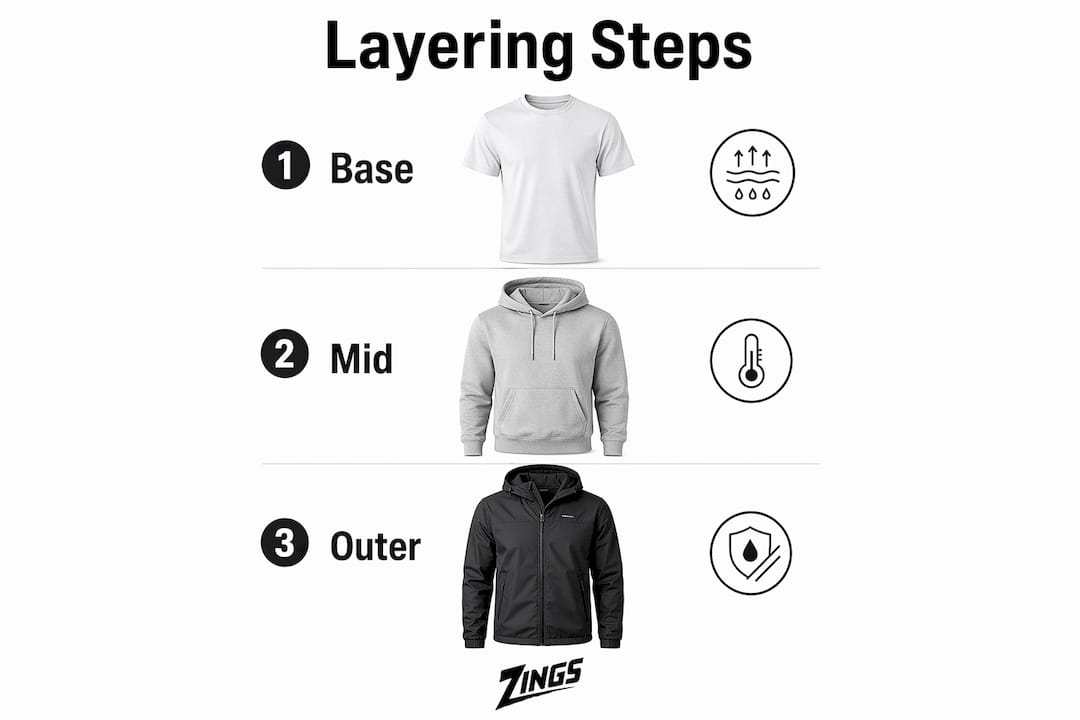
The three-layer system was originally developed for hiking and outdoor performance, but its logic translates directly to casualwear. The principle is the same: base manages moisture, mid traps heat, outer blocks the elements.
How to choose the best fabrics for casualwear layering
Fabric choice determines whether your layered outfit is comfortable or miserable by midday. The wrong fabric in the wrong position creates clamminess, bulk, or overheating.
Merino wool is the most versatile fabric across all three layers. It absorbs up to 35% of its weight in moisture before feeling wet, which means it stays comfortable through temperature swings that would leave a cotton shirt soaked. Merino’s natural crimp also creates air pockets that insulate in cold and release heat in warmth. For casualwear, a merino base layer under a flannel shirt under a denim jacket covers a wide temperature range without bulk.
Cotton is comfortable and widely available, but it absorbs moisture and holds it. That makes cotton a solid choice for low-activity casual days but a poor choice for commuting, outdoor errands, or any situation where you will sweat. Synthetics like polyester and nylon dry faster than cotton and cost less than merino, making them practical mid-layer linings and base layer alternatives.
Key fabric considerations by layer:
- Base layer: Prioritize moisture management. Merino wool or synthetic blends outperform cotton for active wear. Silk works for low-activity, style-focused base layers.
- Mid-layer: Fleece is lightweight and dries fast. Down insulates well but loses performance when wet. Flannel and chunky knits add texture and warmth for dry conditions.
- Outer layer: Look for wind resistance and some water repellency. Waxed cotton, nylon, and tightly woven wool all perform well in casual outer layers.
Pro Tip: Test your base layer fabric by pressing it against damp skin for 30 seconds. If it clings and feels cold, it is holding moisture. Merino and quality synthetics will feel neutral or dry. This simple test saves you from a miserable layered outfit on a cold, active day.
Seasonal casualwear layering also shifts fabric priorities. In fall and winter, weight and insulation matter more. In spring, breathability and quick-dry properties take priority. Keeping a small rotation of season-specific base and mid-layer pieces makes the transition between seasons much easier.
What are the key fit and proportion rules to avoid bulk?
Fit is where most layered outfits fail. Layering missteps stem from structural fit errors more often than from fabric choice or the number of pieces. The fix is a clear fit hierarchy.
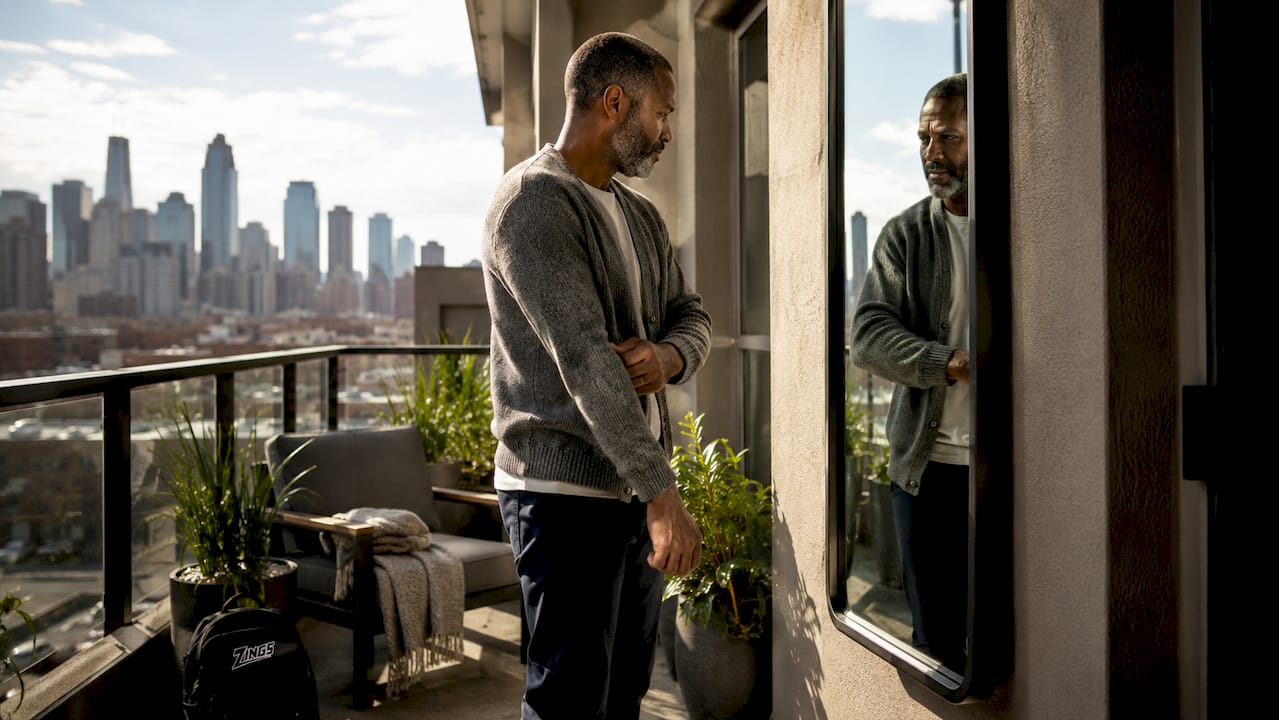
The rule is straightforward: each layer should be slightly more relaxed than the one beneath it. Your base layer fits close to the body. Your mid-layer has enough room to move freely over the base without bunching. Your outer layer accommodates both layers underneath without pulling across the shoulders or chest. Each layer should feel wearable alone yet slide easily under the next, supporting both style and daily activity comfort.
Sleeve and hem length management is the detail that separates a polished layered look from a messy one. Stagger sleeve lengths by 1 to 2 cm per layer so each cuff peeks out slightly from the one above it. Never show more than two cuffs at once. For hemlines, a slight step down from base to mid to outer creates a cascading effect that reads as intentional rather than accidental.
Common fit mistakes and their fixes:
- Bunching at the torso: Mid-layer is too large. Size down or choose a slimmer cut.
- Restricted shoulder movement: Outer layer is too small. Go up one size in the shoulders.
- Visible base layer hem below mid-layer: Tuck the base layer or choose a shorter hem length.
- Collar stacking chaos: Limit visible collars to two at most. A crew neck base under a shirt collar under a jacket works. Three collars competing for attention does not.
Pro Tip: Before committing to a layered outfit, raise both arms above your head and then reach forward. If any layer rides up, bunches, or restricts movement, the fit hierarchy is off. Adjust before you leave the house.
The fabric weight gradient matters as much as fit. Lightest and thinnest fabrics go closest to the skin, with heavier pieces moving outward. A heavy flannel as a base layer under a thin t-shirt as a mid-layer creates bulk and discomfort. Reverse that order and the outfit breathes correctly.
How to style layered casual outfits with color, texture, and accessories
Layering is a styling tool, not just a warmth strategy. Textural contrast and color blocking within layered outfits create fashion depth that a single-layer outfit cannot achieve. Here is a practical approach to building outfits that look deliberate and polished.
- Start with a neutral base. A white, gray, or navy base layer gives you maximum flexibility with mid and outer layers. Loud prints at the base layer compete with everything above them.
- Add texture at the mid-layer. A ribbed knit sweater over a plain t-shirt, a herringbone flannel over a merino base, or a quilted vest over a poplin shirt all create visual interest through surface contrast rather than color noise.
- Use the outer layer for structure and color anchor. A dark outer layer over lighter inner layers creates depth. A camel overcoat over a gray knit over a white tee is a classic casualwear combination that works across seasons.
- Introduce one accent tone. A burgundy scarf, a rust-colored beanie, or an olive bag adds a focal point without overwhelming the palette. One accent color per outfit is the limit.
- Balance layered tops with streamlined bottoms. Multiple layers above the waist add visual weight. Slim or straight-cut trousers and clean-line jeans keep the lower half from competing. Avoid wide-leg or heavily distressed bottoms when the top half is already complex.
- Use accessories to complete the layered look. A scarf tucked into an open jacket, a vest worn over a long-sleeve shirt, or a structured tote bag all reinforce the layered aesthetic without adding garment bulk. You can find casualwear outfit combinations that demonstrate how accessories integrate into layered looks across different casual occasions.
Mixing textures is the fastest way to make a simple outfit look considered. Suede over poplin, denim over cotton knit, and wool over silk all create contrast that reads as intentional styling rather than random dressing.
What are practical tips for adapting your layering to changing weather?
The real advantage of the casualwear layering process is adaptability. A well-built layered outfit lets you respond to temperature changes without carrying a bag full of backup clothes.
The core tactic is removing or adding the mid-layer as temperatures shift, while keeping the base and outer layers consistent. This approach maintains style continuity throughout the day. You look the same at 8 a.m. in a cold office as you do at 1 p.m. in a warm restaurant, just with one layer adjusted.
Practical tips for daily adaptability:
- Build modular outfits. Choose mid-layers that work as standalone pieces. A flannel shirt or a zip-up fleece looks intentional worn alone, not like a stripped-down half-outfit.
- Prioritize packability in outer layers. A lightweight nylon jacket that folds into a bag pocket is more practical for variable days than a structured wool coat that has nowhere to go when you take it off.
- Choose breathable fabrics for indoor-outdoor transitions. Merino wool and moisture-wicking synthetics handle the shift from a heated office to a cold street better than cotton, which traps heat indoors and chills quickly outdoors.
- Keep accessories removable. A scarf or beanie adds warmth in seconds and disappears into a bag just as fast. These are the lowest-effort, highest-impact adjustments in any layered outfit.
“The most practical layered outfit is one where every piece can be removed, carried, or worn alone without the look falling apart.”
The layering system for outdoor activity recommends adjusting before you feel too hot or too cold, not after. The same logic applies to casualwear. Proactive layer management keeps you comfortable and keeps your outfit looking clean throughout the day. You can read more about the principles behind layering for a deeper look at why this system works so consistently.
Key takeaways
The casualwear layering process works when you follow a clear fit hierarchy, choose fabrics by function, and treat each layer as both a thermal tool and a style element.
| Point | Details |
|---|---|
| Three-layer system | Base manages moisture, mid insulates, outer protects and anchors the silhouette. |
| Fabric weight gradient | Place lightest fabrics closest to skin and heavier pieces outward to prevent bulk. |
| Fit hierarchy | Each layer should be slightly more relaxed than the one beneath it for clean movement. |
| Stagger sleeve and hem lengths | Show no more than two cuffs and step hemlines by 1 to 2 cm per layer for a polished finish. |
| Mid-layer adaptability | Remove or add the mid-layer as temperatures shift to maintain comfort and style continuity. |
Why I think most people overcomplicate layering
Most layering advice focuses on adding more pieces. More textures, more colors, more accessories. After years of working with casualwear styling, the opposite lesson is what actually sticks: restraint is the skill.
The best layered outfits I have seen use three pieces, not five. A fitted merino base, a well-cut flannel or knit mid-layer, and a structured outer piece. That combination covers most casual situations from fall through early spring. The styling comes from fabric contrast and proportion, not from stacking garments.
The mistake I see most often is treating layering as a solution to a bad outfit. Throwing a jacket over a poorly fitted shirt does not fix the shirt. Layering amplifies what is already there. Start with pieces that work individually, and the layered result will be better than the sum of its parts.
The mindset shift that matters most: think of your mid-layer as the outfit, with the base and outer supporting it. When you build from the mid-layer outward, your proportions stay balanced and your outfit has a clear focal point. Experiment within that framework, and you will find that building an everyday wardrobe around a few strong layering pieces is more effective than owning a large collection of pieces that do not work together.
— TONY
Build your layered wardrobe with Zings365

Zings365 carries the key pieces that make the casualwear layering process work in practice. The men’s casual jacket functions as a structured outer layer that holds a silhouette over two layers underneath without pulling or bunching. For mid-layer options, the British casual fashion shirt delivers the texture and fit that make a mid-layer look intentional worn alone or under a jacket. Zings365 also stocks the hooded cardigan sports suit as a comfortable, packable mid-layer for temperate days. Browse the full catalog at Zings365 to find pieces built for layering across seasons.
FAQ
What is the casualwear layering process?
The casualwear layering process is the method of combining a base layer, mid-layer, and outer layer in a deliberate sequence to manage temperature and build a cohesive outfit. Each layer serves a specific function: moisture management, insulation, and weather protection.
What are the best fabrics for layering casualwear?
Merino wool is the most versatile option because it manages moisture, regulates temperature, and resists odor across multiple wears. Fleece and flannel work well as mid-layers, while tightly woven nylon or cotton canvas suits outer layers.
How do you avoid looking bulky when layering?
Follow the fit hierarchy: fitted base, relaxed mid-layer, and an outer layer with enough room to move freely over both. Stagger sleeve lengths by 1 to 2 cm per layer and limit visible cuffs to two at most.
How many layers should a casual outfit have?
Three layers cover most situations effectively. A base layer, one mid-layer, and an outer piece give you enough thermal range and styling flexibility without adding visual weight or restricting movement.
How do you adapt a layered outfit to changing temperatures during the day?
Remove or add the mid-layer as temperatures shift while keeping the base and outer layers consistent. Choose mid-layers that function as standalone pieces so the outfit still looks complete when one layer comes off.
