

TL;DR:
- A fashion accessories checklist includes key core and statement pieces to complete outfits and prevent unnecessary purchases. Wearing three to five accessories and keeping total visible elements at seven or fewer creates a balanced and polished look. Building a capsule of six to ten versatile items, prioritizing daily touchpoints, maximizes style impact and flexibility.
A fashion accessories checklist is a curated list of core and statement pieces that complete any outfit and prevent costly, redundant purchases. Accessories are the fastest way to transform a basic look without rebuilding your entire wardrobe. The 7-rule states that a polished outfit contains no more than 7 total visible elements, including clothing and accessories combined. That single guideline shapes every decision on this list. Whether you are starting from scratch or refining what you already own, this guide covers every category, quantity rule, and styling principle you need.
1. What belongs on a fashion accessories checklist
A fashion accessories checklist divides into two clear types: decorative and utilitarian. Decorative accessories express personality and enhance a look, while utilitarian ones serve a function first. Watches, belts, and wallets fall into the utilitarian category. Statement necklaces, hair clips, and printed scarves are decorative. Understanding this split helps you build a collection that is both practical and stylish.
The main categories to cover in any complete accessory guide are:
- Wearable accessories: Jewelry (rings, earrings, necklaces, bracelets), hats, scarves, and hair accessories
- Carryable accessories: Bags, backpacks, clutches, and wallets
- Foot and leg accessories: Shoes, boots, socks, and hosiery
- Functional accessories: Watches, sunglasses, belts, and gloves
Each category serves a different role in outfit coordination. Wearable pieces add personality. Carryable pieces anchor the practical side of your look. Functional accessories tie structure and proportion together.
2. Which accessories give you the highest style return
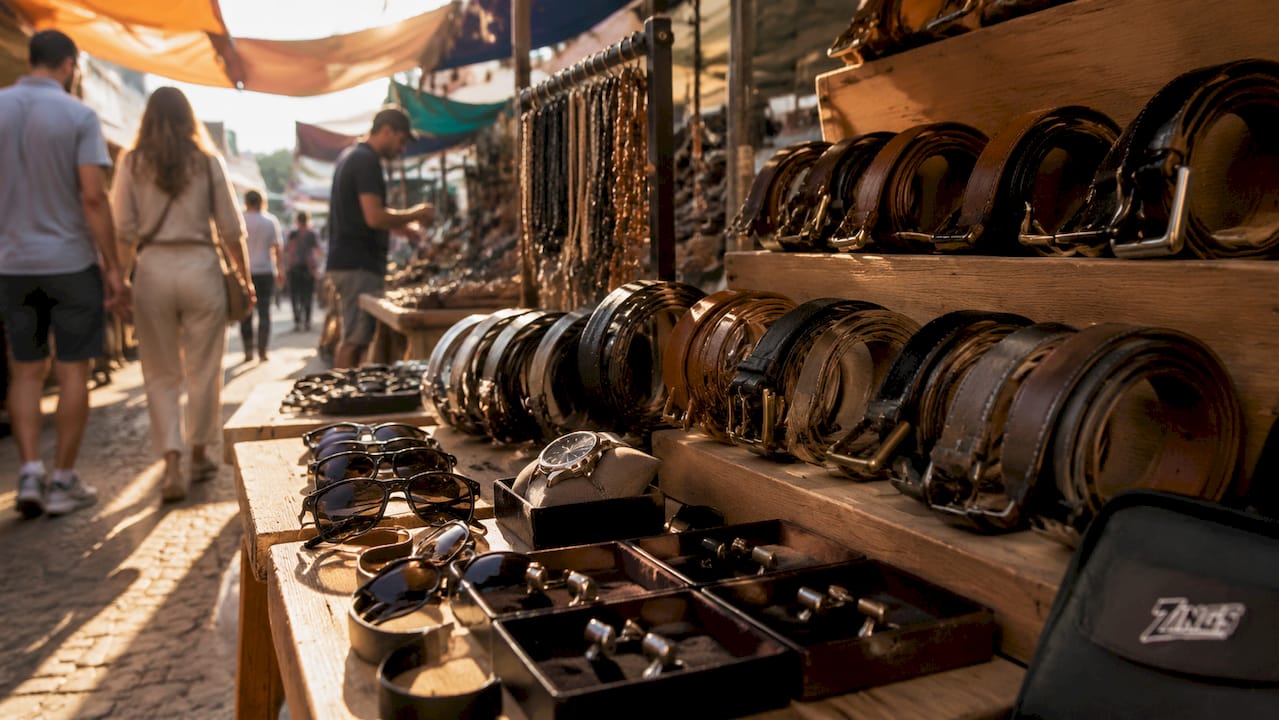
Style ROI is the measure of how much visual impact an accessory delivers relative to its cost and frequency of use. Budget allocation works best at 60% toward classic neutrals like leather bags, watches, and belts, and 40% toward seasonal or trend pieces. That split keeps your core wardrobe stable while allowing room for fresh, current pieces each season.
Daily touchpoint accessories such as bags, shoes, and coat hardware deliver the most noticeable style impact. You interact with these items every time you leave the house. Spending more on a quality leather tote or a well-made belt pays off across hundreds of wears, while a trendy resin earring set costs little and refreshes a look without a major investment.
Pro Tip: Start your accessory upgrade with the three items you use every single day: your bag, your belt, and your shoes. Quality in those three areas will do more for your overall look than any other purchase.
An accessory capsule of 6 to 10 pieces covers most outfit needs without excess. A well-built capsule typically includes a watch, a neutral bag, a leather belt, sunglasses, a scarf, and two to three minimal jewelry pieces. That is enough to dress up or down for work, weekends, and travel.
3. How many accessories to wear at once
Styling experts recommend 3 to 5 accessories worn at one time for a balanced and intentional look. That number includes everything visible: rings, earrings, a necklace, a watch, and a bag all count. Going above five pieces without a clear focal point creates visual clutter.
The 7-rule provides the broader framework. Your full outfit, including clothing layers and accessories, should not exceed 7 visible elements. A jacket, shirt, trousers, shoes, belt, watch, and one piece of jewelry already reaches 7. Adding more without removing something else tips the balance.
Here is how to apply the quantity rule in practice:
- One statement piece: Choose one bold item, such as a chunky bracelet, a printed scarf, or a structured hat, and build around it.
- Two to four subtle complements: Add a watch, simple stud earrings, and a clean leather bag to support the statement without competing.
- Remove before adding: Before putting on a new piece, check whether something already on your body can come off.
A cluttered look often comes from adding without editing. The most polished outfits are the ones where every piece was chosen, not just grabbed.
4. Examples of must-have fashion accessories for your list
The following items represent the core of any practical accessory essentials list. Each one works across multiple outfit types and occasions.
Neutral leather bag: A structured tote or crossbody in black, tan, or cognac pairs with casual and professional outfits equally. The Hobo Bag Purse with Wallet 3PCS at Zings365 is a strong example of a multi-piece set that covers daily carry needs without requiring multiple separate purchases.
Classic watch: A watch with a clean face and leather or metal strap reads as both functional and polished. It works in a boardroom and at brunch.
Leather belt: A belt in black or brown leather closes the gap between tops and bottoms visually. It also signals intentionality. A well-fitted belt tells the viewer the outfit was assembled, not assembled by accident.
Sunglasses: A frame shape that suits your face structure works year-round, not just in summer. Accessory choices should complement individual body features, and the same principle applies to frames. Oval and round faces suit angular frames; square faces suit rounder styles.
Scarves: A lightweight scarf in a neutral or muted print works as a neck wrap, a bag tie, or a hair accessory. For fashion accessories for summer, a thin cotton or linen scarf adds texture without weight.
Minimal jewelry: Stud earrings, a thin chain necklace, and a simple ring set form the base layer of any jewelry collection. These pieces never compete with your outfit. They complete it.
Pro Tip: Avoid bulky chokers if you have a shorter neck. Thinner chains or bracelets and rings create length and proportion without drawing the eye downward.
For casual outfit coordination, the Zings365 guide on accessorizing casual wear walks through how to pair these pieces with everyday clothing.
5. Statement vs. subtle accessories: when to choose each
Statement jewelry acts as a visual focal point in an outfit, while subtle accessories support and balance the overall look. Knowing which to reach for depends on the outfit and the occasion.
| Type | Visual impact | Best occasion | Styling note |
|---|---|---|---|
| Statement piece | High | Casual, social, creative events | Pair with neutral clothing and minimal other accessories |
| Subtle piece | Low to medium | Professional, formal, daily wear | Layer freely; these pieces rarely clash |
| Mixed approach | Balanced | Most everyday situations | One statement item plus two to three subtle pieces |
Statement pieces work best when the clothing underneath is simple. A bold beaded necklace over a plain white shirt reads as intentional. The same necklace over a patterned blouse reads as chaotic. Subtle accessories, by contrast, work in almost any combination. A thin gold bracelet and small hoop earrings add polish without demanding attention.
The mixed approach covers most real-life situations. Choose one item to lead the look, then fill in with quieter pieces. This is how most well-dressed people operate, even if they have never named the method.
For more ideas on combining pieces across different outfit types, the Zings365 guide on mixing and matching clothes covers the full coordination process.
Key takeaways
A well-built accessory capsule of 6 to 10 versatile pieces, guided by the 7-rule and a 60/40 budget split, covers every outfit need without excess.
| Point | Details |
|---|---|
| Use the 7-rule | Keep total visible outfit elements at 7 or fewer to maintain a polished look. |
| Follow the 60/40 budget split | Spend 60% on classic neutrals and 40% on seasonal or trend pieces. |
| Wear 3 to 5 accessories at once | One statement piece plus two to four subtle items creates balance without clutter. |
| Build a capsule of 6 to 10 pieces | A watch, bag, belt, sunglasses, scarf, and minimal jewelry cover most outfit needs. |
| Prioritize daily touchpoints | Bags, shoes, and belts deliver the highest style impact per wear. |
My take on building an accessory collection that actually works
I started with too much. A drawer full of earrings I never wore, three bags that all did the same job, and a collection of scarves I bought because they were on sale. None of it worked together because none of it was chosen with a plan.
The shift came when I stopped buying accessories and started building a capsule. I kept a black leather crossbody, a tan tote, a simple silver watch, two belts, one pair of classic sunglasses, and a small set of gold jewelry. That was it. Every outfit I put together from that point had a clear foundation.
The lesson I keep coming back to is this: accessories are not decoration added at the end. They are part of the outfit structure from the start. When you treat them that way, you stop impulse buying and start making choices that compound over time. A quality leather bag worn 300 times a year is a better investment than five trendy bags worn 20 times each.
I also learned to shop smarter, not more. Buying one well-made piece instead of three cheap ones reduces clutter and increases the number of outfits you can build. The capsule approach is not about restriction. It is about having fewer decisions to make and more confidence in the ones you do make.
— TONY
Build your accessory wardrobe with Zings365
Zings365 carries the core pieces this checklist recommends, from structured bags to versatile everyday wear that pairs with any accessory combination.

The Women Bag collection at Zings365 covers neutral tones and structured silhouettes that work as the anchor piece in any capsule. For men looking to build a complete outfit foundation, the Men’s Autumn and Winter Woolen Coat pairs with belts, scarves, and watches to create a layered, coordinated look. Use your checklist as a shopping filter. If a piece does not fill a gap in your capsule, skip it. If it does, Zings365 has the options to fill it well.
FAQ
What is a fashion accessories checklist?
A fashion accessories checklist is a structured list of core and statement pieces organized by category to guide wardrobe building. It covers wearable, carryable, functional, and foot accessories.
How many accessories should you wear at once?
Styling experts recommend 3 to 5 accessories at one time. Pair one statement piece with two to four subtle complementary items for a balanced look.
What are the most important accessories to own?
The highest-impact accessories are bags, shoes, and belts, since these are daily touchpoints that shape the overall appearance of any outfit.
What is the 7-rule in fashion?
The 7-rule states that a polished outfit should contain no more than 7 total visible elements, including both clothing layers and accessories combined.
How do I build an accessory capsule?
Start with 6 to 10 versatile pieces: a neutral bag, a classic watch, a leather belt, sunglasses, a scarf, and minimal jewelry. These cover most outfit needs across casual and professional settings.
