

TL;DR:
- Selecting jeans fit involves accurately measuring your waist, hips, and inseam, then matching these to rise and leg shape rather than relying on size tags. Fabric stretch and weight influence comfort and how well jeans hold their shape over time, making fit tests crucial before purchasing. Prioritizing structural elements like rise and leg shape ensures a better fit and longer-lasting wardrobe essentials.
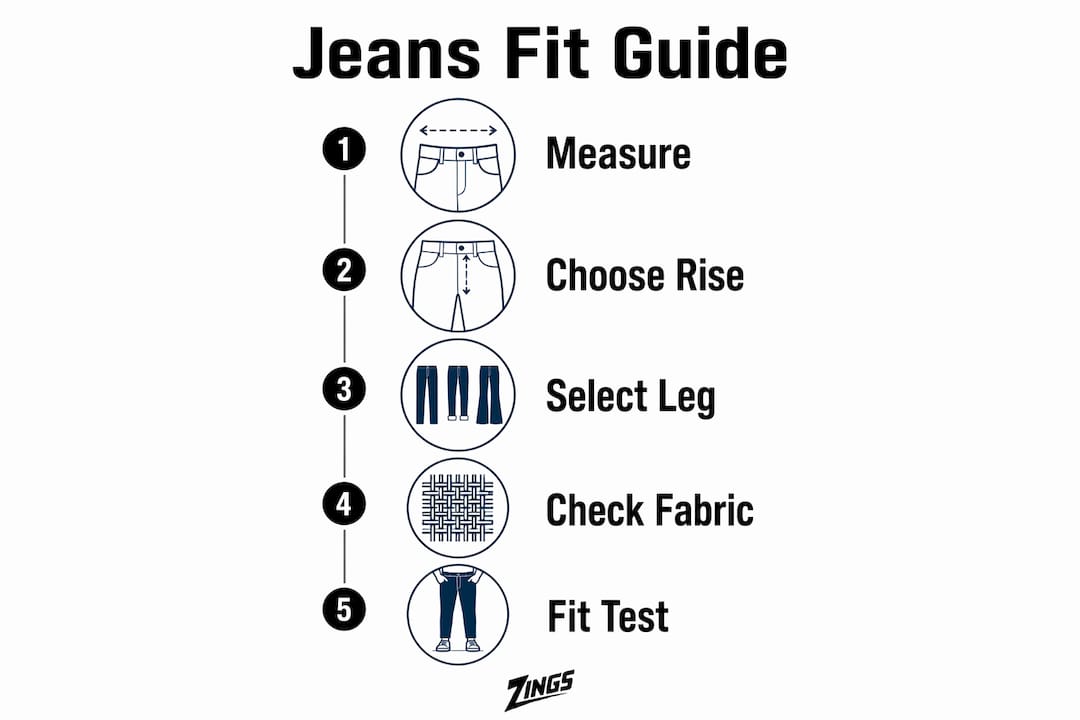
Selecting jeans fit means matching your body measurements to three structural elements: rise, leg shape, and fabric stretch. These three factors determine how jeans flatter your proportions, not the brand name on the label or the trend on social media. Most people buy jeans by size tag alone, which explains why so many pairs end up unworn at the back of the closet. This guide covers how to measure correctly, how to read rise and leg shape, and how to test fit before you commit, whether you are shopping in-store or online.
How do you measure yourself to find the right jeans fit?
Accurate measurement is the foundation of every good jeans purchase. Comparing your measurements against brand size charts outperforms relying on size tags alone, because sizing varies significantly between brands and even between styles within the same brand.
Follow these steps to measure correctly:
- Measure your waist. Wrap a soft tape measure around the narrowest part of your torso, typically one inch above your navel. Keep the tape snug but not tight. Write this number down in inches.
- Measure your hips. Stand with your feet together and measure around the fullest part of your hips and seat. For women especially, hip measurement predicts correct size more reliably than waist measurement, because waistband labels frequently run inconsistent.
- Measure your inseam. Take a pair of jeans that already fits you well. Lay them flat and measure from the crotch seam to the bottom hem. This number is your inseam reference.
- Use your best-fitting pair as a template. Lay that pair flat and measure the waistband across, then double it for the full waist circumference. Using saved jeans measurements as a reference reduces trial-and-error, particularly when shopping online where you cannot try before you buy.
- Cross-reference with brand size charts. Every brand publishes a size chart. Match your measurements to the chart rather than grabbing your usual number. A size 32 at one brand may measure 33.5 inches at another.
Pro Tip: Check the fabric composition label before finalizing your size. Jeans with 2% or more elastane will stretch out during wear, so you may want to size down by one. Rigid 100% cotton denim holds its shape but will not give, so size up if you are between numbers.
What role do rise and leg shape play in choosing jeans fit?
Rise, leg shape, and fabric weight are the three structural elements that determine how jeans flatter body shapes. Rise in particular works as a proportion lever: the position of the waistband changes the visual length of your torso and legs, making it one of the most powerful fit tools available.

Understanding rise types
High rise sits two to four inches above the navel. It lengthens the appearance of the legs, defines the waist, and suits people with longer torsos who want visual balance. Petite frames benefit from high rise because it creates the illusion of added height. Curvy body types often find high rise more comfortable because it covers the hip-to-waist gap that mid and low rise jeans leave exposed.
Mid rise sits at or just below the natural waist. It works across most body types and is the most forgiving option for everyday wear. Athletic builds with straighter hip-to-waist ratios tend to find mid rise the most comfortable.
Low rise sits below the hip bones. It shortens the visual torso and works best on taller frames where the proportional trade-off is less noticeable. Low rise has returned to trend in 2026, but it is a fit choice that requires careful consideration of your torso length before committing.
Matching leg shape to your frame
| Leg Shape | Best For | Visual Effect |
|---|---|---|
| Skinny | Petite, lean frames | Elongates the leg |
| Straight | Most body types | Clean, balanced silhouette |
| Tapered | Athletic or muscular builds | Slims the lower leg |
| Bootcut | Curvy or pear-shaped | Balances wider hips |
| Flare | Petite to average height | Adds volume, lengthens leg |
| Wide-leg | Tall frames, fashion-forward looks | Relaxed, editorial silhouette |
Leg shape influences visual balance more than most shoppers realize. A bootcut or flare hem balances wider hips by adding volume at the ankle. A skinny or tapered cut draws the eye downward and elongates shorter frames. Wide-leg styles look proportional on taller bodies but can overwhelm petite frames unless the waist is fitted.
Pro Tip: Prioritize rise and leg shape before you consider brand or trend. A jeans-fitting specialist notes that starting with these structural elements yields faster fit accuracy than any other approach. Trend is secondary to proportion.
How does fabric stretch and weight affect comfort and fit?
Fabric composition directly affects how jeans fit on day one and how they fit after six months of wear. Jeans with 1 to 2% elastane offer the best balance of comfort and shape retention for most fits. This small amount of stretch allows freedom of movement without causing the fabric to bag out at the knees and seat over time.
Key fabric considerations include:
- Elastane percentage by cut. Straight-leg and slim-straight styles work well with 1 to 2% elastane. Skinny jeans typically use 3 to 5% for the close fit to work without restricting movement. Wide-leg and palazzo styles should use zero or minimal elastane to maintain their structured silhouette. High stretch in a wide-leg jean causes the fabric to cling rather than drape.
- Denim weight. Lightweight denim (under 11 oz) is comfortable in warm weather but wears out faster and offers less structure. Medium-weight denim (11 to 13 oz) is the standard for everyday jeans and holds its shape well. Heavyweight denim (over 13 oz) is durable and structured but requires a break-in period.
- 100% cotton versus stretch blends. Pure cotton denim holds its shape and is preferred by many plus-size shoppers who want the fabric to provide structure rather than cling. Stretch blends are more forgiving but degrade faster with frequent washing.
- Fit degradation. High elastane content causes jeans to stretch out during a single day of wear. If your jeans feel loose by afternoon, the elastane percentage is likely too high for that cut. This is a sign to size down or choose a lower-stretch fabric.
Pro Tip: Run three quick tests before buying: the squat test (can you squat without the waistband pulling away from your back?), the thigh pinch test (is there at least one inch of fabric to pinch at the thigh?), and the waistband finger test (can you fit two fingers inside the waistband comfortably?). These tests take 60 seconds and prevent most returns. Learn more about fabric and fit choices before your next purchase.
What fit-testing steps should you take before buying jeans?
Standing in front of a mirror tells you about 40% of what you need to know. Assessing fit by sitting and moving reveals hidden gaps and tightness that standing alone misses. Tightness when seated is a clear signal to size up or try a different cut.
Follow this fit-testing sequence:
- Stand and check the waistband. No gapping at the back. No pinching at the front. The waistband should sit flat against your body without pulling or folding.
- Sit down fully. If the waistband digs in or the thighs feel constricted, the jeans are too small in the seat or thigh. This is the most common fit failure point.
- Bend and walk. Take several steps and do a shallow squat. The fabric should move with you, not against you.
- Check the inseam length. Petite shoppers typically need inseams shorter than 30 inches. For ankle or cropped styles, 28 to 29 inches works well. If you regularly wear platforms, a longer inseam prevents the hem from sitting too high.
- Wear the right shoes. Try on jeans with the shoes you plan to wear most often. Inseam length looks completely different in sneakers versus heeled boots. This single step prevents most hem-length mistakes.
When shopping online, order two sizes and compare. Measure your inseam against the product listing, check the fabric composition, and read the size chart rather than defaulting to your usual number. If a pair fits everywhere except the hem, you can shorten later but you cannot add length back. Never over-hem a pair you love. For persistent fit issues like gapping at the back waist or tight thighs with a loose waist, consider tailoring. A tailor can take in the back waistband or let out the thigh seam for a fraction of the cost of a new pair. You can also explore a smarter online sizing approach to reduce guesswork before checkout.
Pro Tip: Uncomfortably tight jeans reduce wear and value. If a pair feels restrictive in the fitting room, it will feel worse after a full day. Comfort is not a compromise. It is the standard.
Key takeaways
Selecting jeans fit requires measuring waist, hips, and inseam accurately, then matching those numbers to rise, leg shape, and fabric stretch rather than relying on size labels.
| Point | Details |
|---|---|
| Measure before you buy | Use a saved well-fitting pair to record waist, hip, and inseam measurements for size chart comparisons. |
| Rise controls proportions | High rise lengthens legs and suits petite or curvy frames; mid rise works across most body types. |
| Elastane percentage matters | 1 to 2% elastane suits most fits; wide-leg styles need minimal stretch to maintain silhouette. |
| Test fit in motion | Sit, squat, and walk in jeans before deciding. Standing alone misses the most common fit problems. |
| Shoes determine inseam | Always try jeans with your typical footwear to get the correct hem length before buying. |
Why structure beats style every time
I have spent years watching people buy jeans by brand loyalty or trend and return them within a week. The pattern is always the same: the style looked right on the model, but the rise was wrong for their torso, or the leg shape added bulk where they did not want it. The fix is not a different brand. It is a different structural approach.
The moment I started treating rise and leg shape as non-negotiable starting points, fit decisions became faster and cheaper. I stopped buying jeans that looked good on a hanger and started buying jeans that worked for my proportions. That shift is the difference between a closet full of jeans you wear and a closet full of jeans you keep meaning to return.
Fabric stretch is the piece most people underestimate. A pair that fits perfectly at 10 a.m. but bags at the knees by 3 p.m. is a fabric problem, not a size problem. Matching elastane content to the cut you want is a detail that separates a good purchase from a great one.
Start with your measurements. Lock in your rise. Choose your leg shape based on your frame. Then let fabric and color be the creative choices. That sequence works every time, regardless of what is trending.
— TONY
Find your fit at Zings365

Zings365 carries a curated selection of men’s jeans built around the fit principles covered in this guide. The 2025 Men’s Fashion Business Jeans feature classic slim fit construction with casual stretch denim, making them a practical starting point for anyone working through rise and leg shape decisions. Each product page includes fabric composition details and fit notes so you can cross-reference your measurements before ordering. Pair your jeans with a slim fit casual shirt for a complete outfit that works from casual to smart casual. Browse the full range at Zings365 to find styles that match your body type and lifestyle.
FAQ
What measurements do I need to find the right jeans size?
You need your waist circumference, hip circumference, and inseam length. Measure these from a well-fitting pair you already own and compare them against the brand’s size chart rather than using your usual size tag.
How do I choose between high rise and mid rise jeans?
High rise suits petite frames and curvy body types by lengthening the leg line and covering the hip-to-waist gap. Mid rise fits most body types and is the most versatile option for everyday wear.
How much stretch should jeans have?
Jeans with 1 to 2% elastane offer the best balance of comfort and shape retention for straight and slim cuts. Skinny styles can use up to 5%, while wide-leg and structured silhouettes work best with zero or minimal elastane.
How do I know if jeans fit correctly when shopping online?
Measure your inseam and waist from a pair you already love, then compare those numbers to the product’s size chart. Order two sizes if you are between measurements, and check the fabric composition to account for stretch before deciding.
Can I fix jeans that gap at the back waist?
Yes. A tailor can take in the back waistband seam for a precise fit. This is a common alteration and costs significantly less than replacing the pair, making it worth considering when the rest of the fit is correct.
