

TL;DR:
- A winter wardrobe’s core relies on layering with moisture-wicking base layers, insulating mid-layers, and wind-resistant outer shells. Natural fibers like wool and cashmere outperform synthetics in warmth and longevity, making versatile, timeless pieces essential. Budget-friendly shopping and small capsule wardrobes enable stylish, functional winter dressing across all occasions.
Winter wardrobe essentials are the core cold weather clothing pieces that keep you warm, stylish, and ready for any occasion from december through march. The foundation is a three-part layering system built around moisture-wicking base layers, insulating mid-layers, and wind-resistant outer shells. Get these right and you can build must-have winter outfits that work for brunch, the office, or a late-night dinner without changing your entire look. This guide covers every key piece, the fabrics that actually perform, and how to do it all without spending a fortune.
1. What are the core winter wardrobe essentials for layering?
The three-part layering system is the single most effective framework for cold weather clothing. Each layer has a specific job: the base wicks moisture away from your skin, the mid-layer traps heat, and the outer shell blocks wind and rain. Skipping any one layer forces you to compensate with bulk, which kills your silhouette and your comfort.
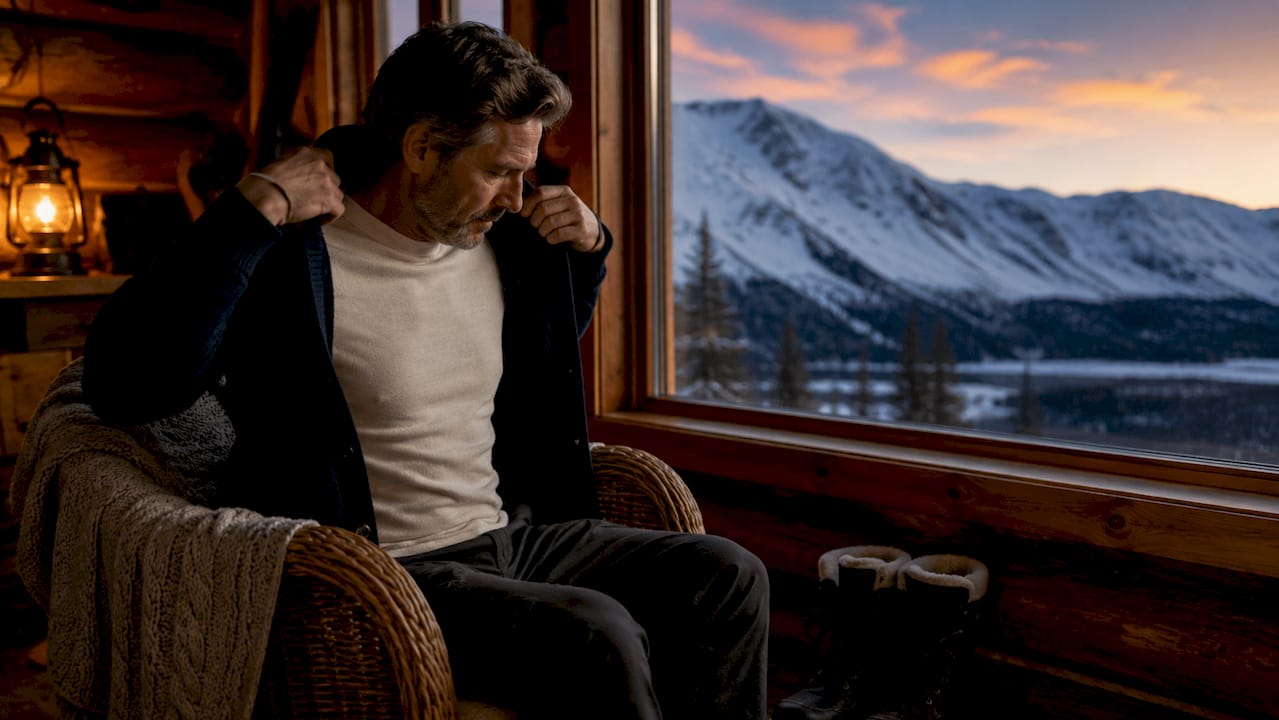
Base layer: This is the layer touching your skin. Merino wool and synthetic fabrics like polyester are the right choices here. Avoid cotton as a base layer because it absorbs sweat and holds it against your body, which causes rapid cooling when you step outside. A fitted merino tee or thermal long-sleeve works for most winter days.
Mid-layer: Fleece pullovers, wool cardigans, and cashmere sweaters all qualify. The goal is insulation, but the best mid-layers are also breathable to prevent overheating. That breathability matters more than most people realize. A mid-layer that traps heat but vents excess warmth keeps your body temperature steady all day.
Outer shell: Your coat or jacket is the final barrier. It needs to resist wind and moisture without being so stiff that it restricts movement. A well-fitted wool overcoat handles most urban winter conditions. For wetter climates, a water-resistant puffer or technical shell is the better call.
Pro Tip: When layering for winter, prioritize fit over volume. Each layer should be slightly looser than the one beneath it. This traps warm air between layers without adding visible bulk.
- Base layer: merino wool or moisture-wicking synthetic
- Mid-layer: fleece, wool cardigan, or cashmere sweater
- Outer shell: wool overcoat, puffer jacket, or water-resistant shell
- Fit rule: each layer slightly roomier than the one below it
2. Which versatile pieces elevate your cold weather clothing?
Investing in non-trendy elevated basics gives your winter wardrobe long-term relevance. Stylists consistently recommend pieces like corduroy pants, suede jackets, and classic wool coats over fast-fashion alternatives. These items hold their style value for years, which makes them genuinely cost-effective despite a higher upfront price.
Natural fibers like wool and cashmere outperform synthetics on warmth, breathability, and longevity. A cashmere sweater costs more than an acrylic one, but it regulates temperature better and lasts far longer with basic care. The fiber content on the label is one of the most useful pieces of information you can read before buying.
| Piece | Style | Warmth | Versatility |
|---|---|---|---|
| Classic wool overcoat | High | High | Work, casual, evening |
| Corduroy pants | High | Medium | Casual, smart-casual |
| Suede or leather jacket | High | Medium | Casual, layered looks |
| Cashmere sweater | High | High | All occasions |
| Turtleneck knit | Medium | High | Layering, standalone |
Pro Tip: Buy timeless winter pieces in neutral colors first. Camel, charcoal, navy, and cream coordinate with almost everything in your existing wardrobe, which multiplies your outfit options without adding more items.
A suede jacket sits in a useful middle ground between a casual denim jacket and a formal wool coat. It adds texture and polish to a simple outfit without looking overdressed. Pair it over a chunky knit sweater and straight-leg trousers for a look that works across multiple settings.
3. How to choose essential winter accessories that complete your look
Accessories are the fastest way to add warmth without adding bulk to your outfit. A well-chosen scarf, beanie, and pair of boots can take a basic coat and sweater combination from functional to finished. The material and construction of each accessory determines how much warmth it actually delivers.
Scarves: Wool and cashmere scarves provide real insulation around the neck, which is one of the areas where body heat escapes fastest. A large wool scarf can also double as a wrap or shawl indoors. You can find knit beanie and scarf patterns if you prefer a custom fit and texture.
Beanies: A knit beanie covers your ears and retains heat at the top of your head. Wool and wool-blend beanies outperform acrylic versions in genuine cold. Prices range from $15 to $50 depending on fiber content and construction. The FURTALK Beanie at Zings365 is a practical option for everyday winter wear.
Boots: Insulated boots with waterproof soles and rubber traction are the most functional cold weather footwear. Flat-soled leather boots without grip become a liability on wet or icy pavement. Look for boots rated for cold temperatures if you live in a climate with consistent freezing conditions.
Key features to prioritize in winter accessories:
- Scarves: wool or cashmere, at least 70 inches long for wrapping options
- Beanies: wool or wool-blend construction, ear coverage
- Boots: waterproof upper, rubber outsole, insulation rating for your climate
- Gloves: touchscreen-compatible fingertips for practical daily use
4. What are the best budget-friendly tips to build a winter wardrobe?
A winter capsule wardrobe of 24–28 pieces generates 50–75 unique outfit combinations across professional and casual settings. That math changes how you think about shopping. Instead of buying many cheap items, you buy fewer well-chosen pieces that work together across multiple looks.
Stylist-approved winter staples regularly cost under $60. Wool sweaters retail around $40, scarves around $20, and beanies between $15 and $50. These prices make it realistic to build a functional and stylish cold weather wardrobe without a large budget.
Pro Tip: Thrift stores and secondhand platforms are the best places to find quality wool and cashmere pieces at a fraction of retail price. Natural fiber garments hold up well over time, so a secondhand cashmere sweater in good condition is often a better buy than a new acrylic one.
Smart budget shopping checklist:
- Start with neutral-colored base pieces that coordinate easily
- Buy natural fiber items secondhand when possible
- Prioritize coats and boots since they carry the most visual weight
- Use affordable fashion guides to identify high-value staples
- Avoid trend-driven pieces that will feel dated in one season
Building a capsule wardrobe with 28 coordinated items simplifies daily dressing and reduces the feeling of having nothing to wear. Every piece earns its place by working with at least three other items in the collection.
5. How to style winter outfits for work, casual, and social settings
The same core pieces can cover three different dress codes with small adjustments. A wool turtleneck sweater worn under a blazer reads as office-appropriate. The same sweater worn with straight-leg jeans and Chelsea boots becomes a strong casual look. Swapping the blazer for a leather jacket shifts it toward a social setting.
Silhouette control is the key skill in winter styling. Bulky layers worn without attention to fit create a shapeless look that reads as sloppy rather than cozy. Prioritizing fit over volume when layering keeps your silhouette clean even when you are wearing three or four pieces.
Occasion-based outfit adjustments:
- Work: Wool trousers, fitted turtleneck, structured wool coat, ankle boots
- Casual: Straight-leg jeans, chunky knit sweater, puffer jacket, lug-sole boots
- Social: Sweater dress, fleece-lined tights, tailored coat, heeled boots
- Weekend: Corduroy pants, flannel shirt, fleece mid-layer, clean sneakers
Fleece-lined tights make skirts and dresses practical in winter by adding a thermal layer with zero visible bulk. This is one of the most underused tools in cold weather dressing. A sweater dress with fleece-lined tights and a long wool coat is a complete winter outfit that works from morning to evening.
Layering for indoor and outdoor comfort requires thinking about removability. A coat you can take off easily, a mid-layer that looks intentional on its own, and a base layer that stays hidden all contribute to a look that adapts as you move between heated buildings and cold streets. Read more about why layering works for style and temperature control.
Key takeaways
A well-built winter wardrobe relies on a three-part layering system, natural fiber pieces, and a small set of versatile items that generate dozens of outfit combinations.
| Point | Details |
|---|---|
| Use the three-layer system | Base wicks moisture, mid insulates, outer shell blocks wind and rain. |
| Choose natural fibers | Wool and cashmere outperform synthetics on warmth, breathability, and longevity. |
| Keep the capsule small | A 24–28 piece wardrobe creates 50–75 outfit combinations for all occasions. |
| Spend under $60 on staples | Wool sweaters, scarves, and beanies all fall within this budget range. |
| Control your silhouette | Fit matters more than volume when layering multiple pieces. |
What I actually wear when the temperature drops
The conventional advice on winter dressing focuses almost entirely on coats. I think that is the wrong place to start. The coat is the last decision, not the first. What you wear underneath determines whether you are actually warm, and whether the coat fits properly over your layers.
The piece most people skip is a quality base layer. A fitted merino wool long-sleeve under a regular shirt adds significant warmth without changing your visible outfit at all. I have worn this combination in temperatures well below freezing and stayed comfortable without a heavy coat.
Fleece-lined tights are the most underrated item in cold weather dressing. They extend the wearability of dresses and skirts through the entire winter without adding any visible bulk. Most people do not know they exist until a stylist mentions them.
My honest recommendation is to spend the most money on your coat and your boots. Everything else can be found at reasonable prices. A $200 wool overcoat worn for ten years costs less per wear than a $40 fast-fashion jacket replaced every season. The math on quality is straightforward once you run it.
— TONY
Upgrade your winter style with Zings365
Zings365 carries a range of versatile shirts and tops built for layering through fall and winter. The catalog includes slim-fit and oversized options in check prints and solid colors, all suited for wearing under a sweater, beneath a jacket, or on their own on milder days.

The British casual fashion shirt at Zings365 is a strong base for a layered winter look. Long sleeves, a structured collar, and a slim fit make it work under a wool sweater or a structured coat. The men’s button-down shirt in check print is another practical option for building out a cold weather wardrobe at an accessible price point.
FAQ
What are the most important winter wardrobe essentials?
The three most important pieces are a quality outer coat, an insulating mid-layer like a wool or cashmere sweater, and a moisture-wicking base layer. These three items form the foundation of every effective cold weather outfit.
What fabric is best for winter clothing?
Wool and cashmere are the best natural fiber choices for winter. They provide warmth and breathability that synthetic fabrics cannot match, and they last significantly longer with basic care.
How many pieces do I need for a winter capsule wardrobe?
A capsule of 24–28 pieces is enough to generate 50–75 outfit combinations. That range covers professional, casual, and social settings without requiring a large wardrobe.
Why should I avoid cotton as a base layer?
Cotton absorbs moisture and holds it against your skin, which causes rapid cooling when you are exposed to cold air. Merino wool and synthetic moisture-wicking fabrics are the correct base layer choices for winter.
How do I stay stylish in winter without spending a lot?
Focus on budget-friendly fashion tips and buy neutral-colored staples that coordinate across multiple outfits. Stylist-approved winter essentials like wool sweaters and scarves regularly retail under $60, making a stylish cold weather wardrobe achievable on a modest budget.
