

TL;DR:
- Layering in fashion involves combining three distinct garments — base, mid, and outer layers — to create depth, functionality, and visual structure. Proper fabric weight and proportion management are essential to avoid bulk and achieve a polished look, adaptable across seasons and occasions. Mastering this skill leads to a versatile wardrobe where fewer pieces can produce more cohesive and stylish outfits.
Layering in fashion is defined as the intentional combination of multiple garments worn simultaneously to create structure, visual depth, and functional adaptability in a single outfit. Fashion editors at Harper’s Bazaar and ELLE describe it as one of the most transferable styling skills a person can develop, covering everything from temperature management to personal expression. The practice follows a three-part system: base layer, mid-layer, and outer layer. Each level serves a distinct purpose, and understanding how they interact is what separates a polished look from a cluttered one. Whether you are building stylish outfits daily or just starting out, this guide covers every principle you need.
What is layering in fashion and how does the three-layer system work?
The three-layer system consists of a base layer for comfort, a mid-layer for insulation and character, and an outer layer for protection and silhouette. This structure is the foundation of what is outfit layering at its most functional. Each layer has a defined role, and skipping or misusing one creates the visual problems most beginners encounter.
-
Base layer: This sits directly against the skin. It should be fitted, breathable, and made from moisture-wicking fabrics like cotton jersey, merino wool, or bamboo blends. A well-fitted white or neutral crew-neck T-shirt is the most common base layer. Its job is comfort, not style, though it contributes to the overall silhouette.
-
Mid-layer: This is the most character-providing piece in the outfit. According to Man of Many, each layer should look polished when worn alone, and the mid-layer is where that principle matters most. Think a flannel shirt worn open over a tee, a chunky knit sweater, or a denim jacket. This layer shapes the visual identity of the look.
-
Outer layer: This finishes the silhouette and provides weather protection. Trench coats, wool overcoats, and windbreakers all serve this function. The outer layer should be the longest piece in the stack, covering both the mid and base layers for a clean, intentional finish.
The three-layer rule works because three visible layers create depth without clutter. Man of Many notes that four visible layers often look overcomplicated unless conditions demand it. Three is the practical ceiling for most everyday outfits.
Pro Tip: Start with a neutral base layer in white, gray, or black. Neutral bases let your mid-layer and outer layer carry the color and texture without competing.
How do fabric choices and textures affect your layered look?
Fabric selection determines whether a layered outfit looks intentional or accidental. The core principle is weight progression: lighter fabrics go closer to the body, heavier fabrics go on top. Placing a thick flannel shirt under a slim cotton tee creates bulk and restricts movement. Reversing that order creates a clean, structured silhouette.
Texture contrast is equally important. Mixing smooth and nubby surfaces adds visual interest that a single-fabric outfit cannot achieve. Consider these combinations:
- Smooth cotton base layer under a nubby merino wool sweater
- A crisp poplin shirt under a chunky cable-knit cardigan
- A silk or satin blouse under a structured denim jacket
- A fitted ribbed turtleneck under a loose cashmere coat
Layering the same texture throughout produces a flat, monotonous result. A merino wool turtleneck under a wool blazer under a wool overcoat is technically three layers, but the visual effect reads as one undifferentiated block. Fashion Times confirms that balancing fabric weights and silhouettes is what prevents a sloppy look.
Common fabric choices that layer well together include cotton, merino wool, cashmere, flannel, denim, and waxed canvas. Each has a distinct weight and surface quality that creates contrast when combined.
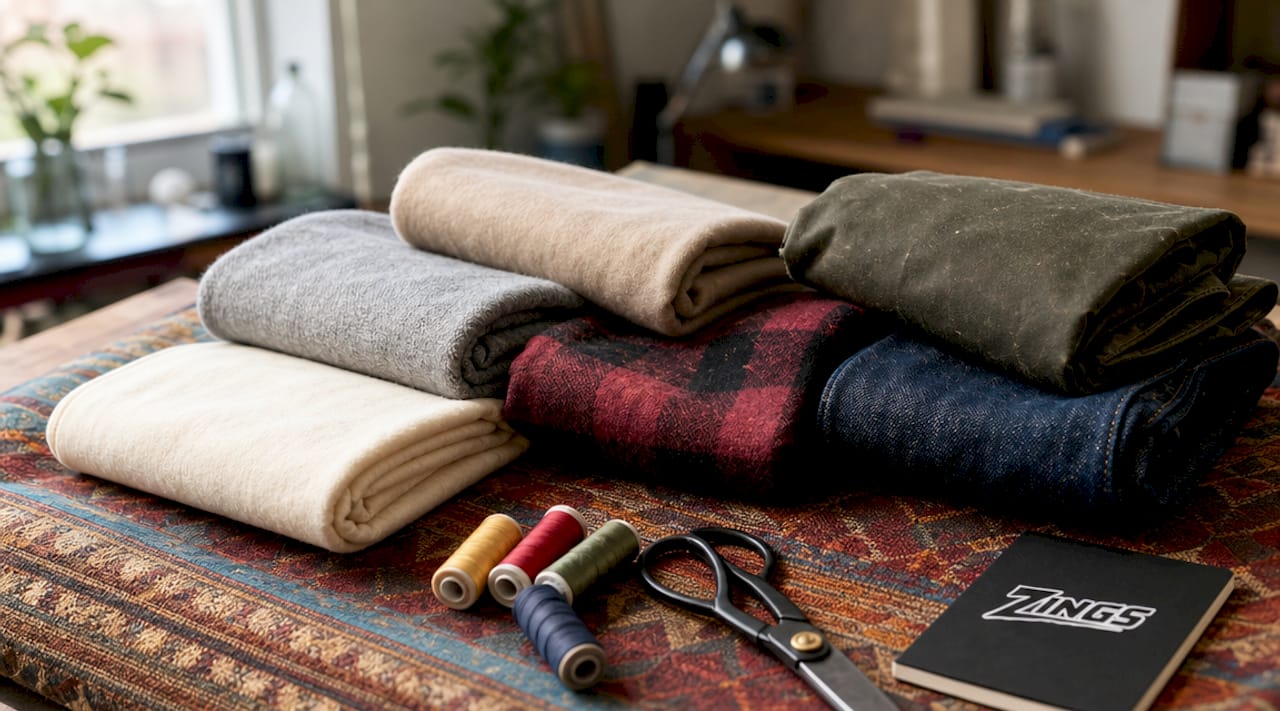
Pro Tip: Run your hand across each garment before layering. If two pieces feel identical to the touch, they will likely look identical on the body. Aim for at least two distinct tactile qualities in every outfit.
What are the key strategies for managing proportions and garment lengths?
Proportion management is the skill that separates a polished layered outfit from a bulky one. The guiding principle is simple: outer layers should be the longest, mid-layers sit in the middle, and base layers are the shortest or most fitted. Ignoring this hierarchy is the single most common reason layered outfits look messy.
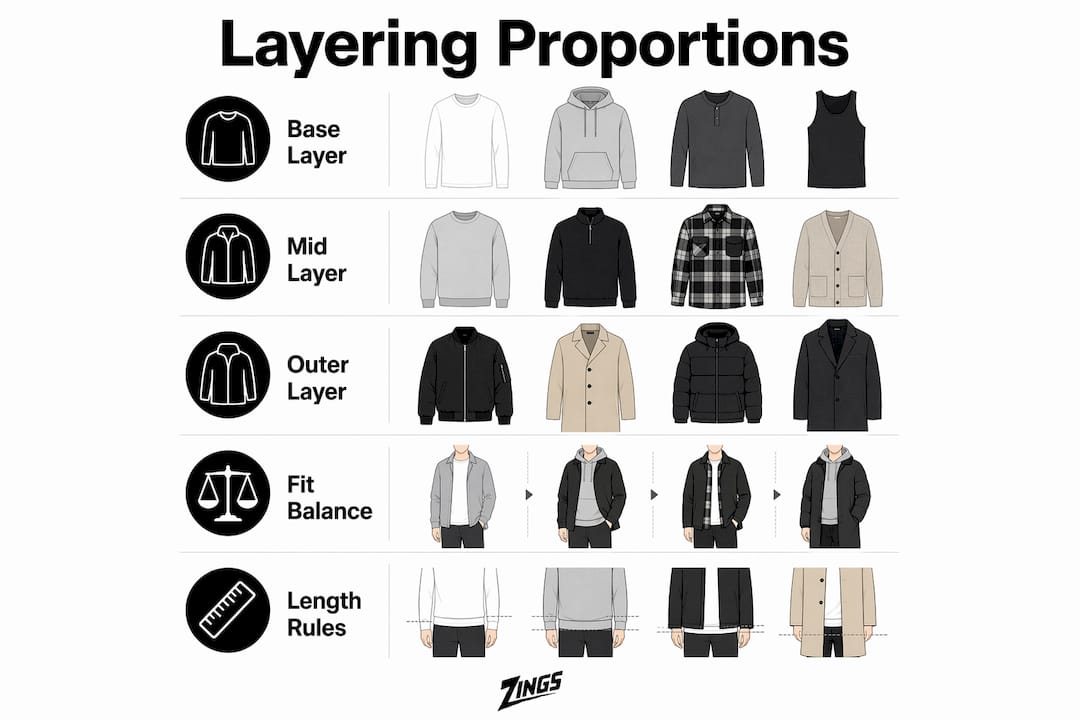
| Layer | Recommended fit | Length rule |
|---|---|---|
| Base layer | Slim or fitted | Shortest, tucked or barely visible |
| Mid-layer | Relaxed or tailored | Mid-length, visible at hem or collar |
| Outer layer | Oversized or structured | Longest, covers mid and base layers |
Pairing oversized outerwear with slimmer base layers is the most reliable proportion strategy. A pro stylist guide from Autum Love confirms that oversized outer garments paired with slim base layers create balance without adding visual weight. The contrast between fitted and loose is what gives the outfit structure.
Collars, sleeves, and hems are the three points where layers interact visibly. A shirt collar peeking above a sweater neckline adds intentional detail. A cuff extending slightly past a jacket sleeve signals deliberate styling. These small exposures communicate that the outfit was assembled with purpose, not accident.
Street style looks often break the length rule deliberately. Wearing a longer shirt hem below a shorter jacket creates a layered hem effect that reads as fashion-forward rather than sloppy, provided the fabrics and colors are coordinated. The key is that rule-breaking must look intentional. When you remove the outer layer, the mid-layer should still look like a complete outfit on its own.
How can layering techniques be adapted for different seasons and occasions?
Layering for different seasons follows the same three-layer framework but adjusts fabric weight and breathability based on temperature. The three-layer method handles temperature swings of 8 to 12 degrees Celsius effectively, which covers most transitional weather scenarios. That range describes a morning commute in October or an afternoon in early spring almost exactly.
Here is how the system adapts across seasons:
- Spring and fall: Use a lightweight cotton or linen base, a light knit or chambray shirt as the mid-layer, and a trench coat or unlined jacket as the outer layer. These fabrics breathe well and pack down easily when temperatures rise.
- Summer: Reduce to two layers in high heat. A fitted tank or tee as a base with a loose linen shirt worn open as a mid-layer covers most warm-weather scenarios without overheating.
- Winter: Switch to a thermal or merino wool base, a heavy knit sweater or fleece as the mid-layer, and a wool overcoat or insulated parka as the outer layer.
| Season | Base layer fabric | Mid-layer option | Outer layer option |
|---|---|---|---|
| Spring | Cotton jersey | Chambray shirt | Trench coat |
| Summer | Linen tank | Open linen shirt | Light denim jacket |
| Fall | Merino wool tee | Flannel shirt | Wool blazer |
| Winter | Thermal knit | Cable-knit sweater | Wool overcoat |
For occasions, the same logic applies. Casual layering uses relaxed fits and textured fabrics like denim and flannel. Formal layering relies on tailored pieces: a fitted dress shirt under a structured blazer under a wool overcoat. ELLE editors note that runway trends in 2026 favor bold colors and prints in layered combinations, which means even formal contexts now allow more expressive fabric choices. You can explore the style and adaptability benefits of layering further to match your specific context.
What common mistakes do beginners make when layering clothes?
Most layering mistakes come from one of three sources: wrong sizing, wrong fabric weight, or incomplete individual layers. Fixing these three issues resolves the majority of problems beginners face.
- Wearing the same size across all layers: Buying a medium shirt and a medium jacket means the jacket will not close properly over the shirt. Size up one level for mid-layers and outer layers to account for the garments underneath.
- Stacking heavy fabrics: A thick hoodie under a padded puffer jacket under a wool coat is three layers of bulk. Each layer adds visual and physical weight. Keep at least one layer lightweight.
- Ignoring layer completeness: Harper’s Bazaar editors recommend that each layer should stand alone as a finished outfit. If your base layer is a stained undershirt, the whole look falls apart when you remove the mid-layer.
- Neglecting collar and cuff management: Bunched collars and uneven cuffs signal carelessness. Partially unbutton a collar or fold it neatly over a sweater neckline. Let shirt cuffs extend just past jacket sleeves for a deliberate effect.
- Overcomplicating color: Beginners often mix too many competing colors across layers. Start with a neutral base and mid-layer, then introduce one statement color or print in the outer layer.
Pro Tip: Before leaving the house, remove your outer layer and check the mid-layer. Then remove the mid-layer and check the base. If either looks unfinished, fix it before adding layers back.
Key takeaways
Layering in fashion works because the three-layer system balances fabric weight, proportion, and texture to create outfits that are both functional and visually structured.
| Point | Details |
|---|---|
| Three-layer system | Base, mid, and outer layers each serve a distinct role in comfort, insulation, and protection. |
| Fabric weight progression | Layer lighter fabrics closest to the body and heavier fabrics on top to avoid bulk. |
| Proportion management | Pair oversized outer layers with slim base layers to create balance without added visual weight. |
| Seasonal adaptation | Adjust fabric weight and breathability per season while keeping the three-layer framework intact. |
| Layer completeness | Every individual layer should look like a finished outfit when worn alone. |
Why layering is the one styling skill worth mastering first
I have spent years watching people buy more clothes to solve problems that better layering would fix. A wardrobe of 30 pieces that layer well outperforms a wardrobe of 100 pieces that do not. That is the uncomfortable truth most fashion content avoids saying directly.
The part that surprises most beginners is how much the mid-layer matters. People obsess over outerwear and base layers, but the mid-layer is where the outfit actually lives. A great flannel shirt or a well-cut cardigan does more for a look than an expensive coat worn over a shapeless interior.
Harper’s Bazaar is right that modern layering trends now favor maximalism, but I would caution beginners against jumping straight to bold prints and clashing textures. Start with the classic combinations: white tee, open flannel, denim jacket. Get the proportions right. Get the fabric weights right. Once those feel natural, breaking the rules becomes a creative choice rather than an accident.
The other thing worth saying: layering is not just a cold-weather skill. Some of the best layered looks I have seen were built for 65-degree days, not January. A linen shirt over a tank top with a light cotton overshirt is a summer layering outfit. The season does not limit the technique.
Experiment with collar exposure, hem lengths, and single-color stacking. The men’s style checklist at Zings365 is a useful starting point for identifying which pieces in your current wardrobe are already layering-ready.
— TONY
Build your layered wardrobe with Zings365

Zings365 carries the specific pieces that make layering work in practice. The British casual fashion shirt is designed as a slim-fit, long-sleeved option that functions as both a base layer and a mid-layer depending on the outfit. The jacquard check pattern adds the texture contrast that flat-fabric layering lacks. For the outer layer, the men’s casual jacket provides a structured finish that works over a shirt-and-tee combination or a knit sweater. Both pieces are sized to accommodate layering underneath without restricting movement. Browse the full catalog at Zings365 to find pieces that fit the three-layer system from day one.
FAQ
What is the basic definition of layering in fashion?
Layering in fashion is the practice of wearing multiple garments simultaneously to create visual depth, manage temperature, and build a structured outfit. The standard system uses three layers: base, mid, and outer.
How many layers should a beginner start with?
Three visible layers is the recommended starting point. Man of Many notes that three layers create optimal visual depth without overcrowding the silhouette.
What fabrics work best for layering?
Cotton, merino wool, cashmere, flannel, and denim layer well together because they have distinct weights and textures. The key is progressing from lighter fabrics at the base to heavier fabrics on top.
Can layering work in warm weather?
Yes. Lightweight fabrics like linen and chambray allow two-layer combinations in warm weather. A fitted tank under an open linen shirt is a functional warm-weather layering outfit.
How do I avoid looking bulky when layering?
Pair oversized outer layers with slim base layers, and avoid stacking multiple heavy fabrics. Autum Love’s pro stylist guide confirms that proportional contrast between fitted and loose pieces is the primary tool for avoiding bulk.
