

TL;DR:
- Sustainable fashion promotes environmentally friendly, socially responsible, and circular clothing practices. Reducing textile waste and using eco-friendly materials are essential strategies to lessen the fashion industry’s significant environmental impact.
Sustainable fashion is defined as the practice of creating and consuming clothing in ways that reduce environmental harm, protect workers’ rights, and extend the useful life of every garment. The fashion industry contributes between 2% and 8% of global carbon emissions, and 85% of produced textiles end up in landfills or incineration every year. Those two facts alone explain why garment sustainability has moved from niche concern to mainstream priority. Understanding what sustainable fashion actually means, beyond the marketing language, gives you the tools to make wardrobe choices that reflect your values.
What is sustainable fashion and why does it matter?
Sustainable fashion covers three interconnected pillars: environmental impact, social responsibility, and circular design. No single pillar stands alone. A garment made from organic cotton but sewn in a factory with unsafe conditions is not fully sustainable. Likewise, a brand that pays fair wages but ships products wrapped in single-use plastic has not addressed its full footprint.
The concept requires looking at the entire product lifecycle. That means raw material sourcing, fiber processing, manufacturing, transportation, consumer use, and end-of-life disposal. True sustainability is an emergent property of systemic design, not a single green attribute. A brand that highlights one eco-friendly feature while ignoring the rest of its supply chain is practicing selective disclosure, not genuine transparency.
The term “eco-friendly fashion” is often used interchangeably with sustainable fashion, but it typically refers only to environmental considerations. The broader definition of sustainable fashion includes social and economic dimensions as well. Keeping that distinction clear helps you ask better questions when evaluating a brand’s claims.
What environmental challenges does sustainable fashion address?
The environmental case for sustainable fashion is built on measurable data. The fashion industry’s carbon footprint sits between 2% and 8% of global emissions, a range that reflects differences in how researchers count indirect emissions from supply chains. Either end of that range represents a significant share of the global total.
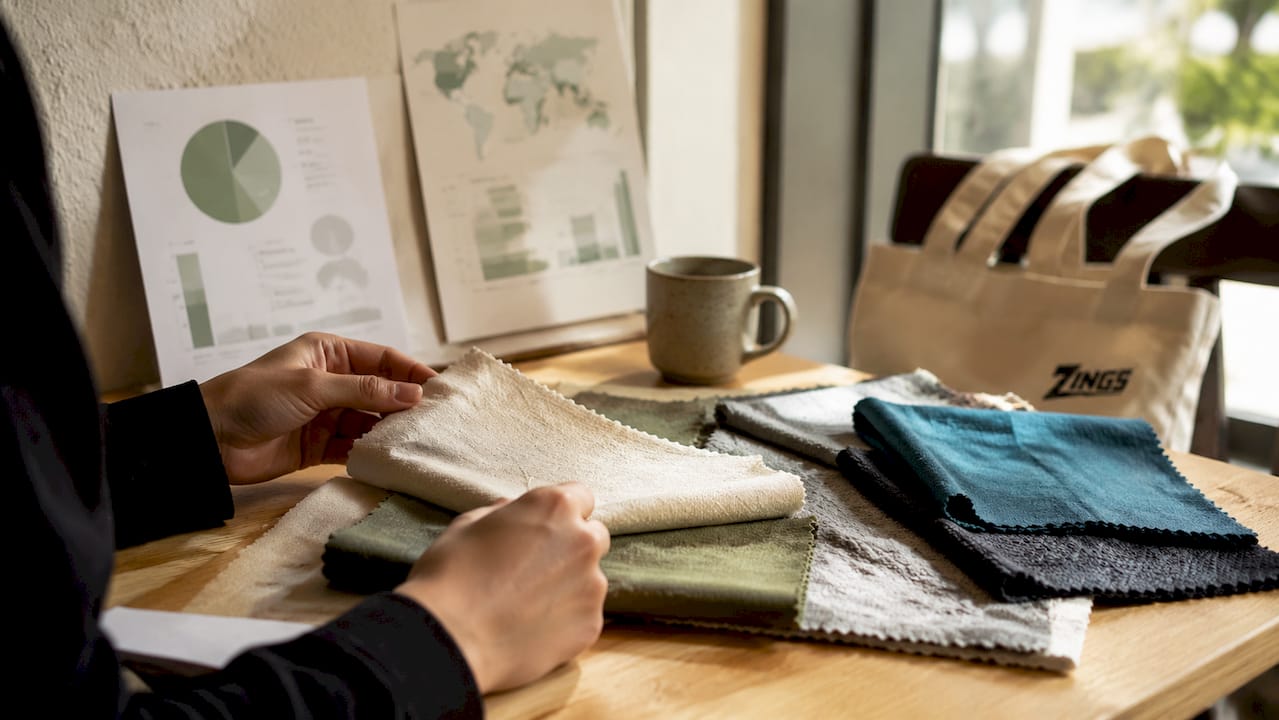
Water consumption is another major issue. Conventional cotton farming is notoriously water-intensive. Switching to organic cotton reduces water use by up to 81% and cuts energy consumption by approximately 62%. That is not a marginal improvement. It represents a fundamental shift in how a single raw material affects the planet.
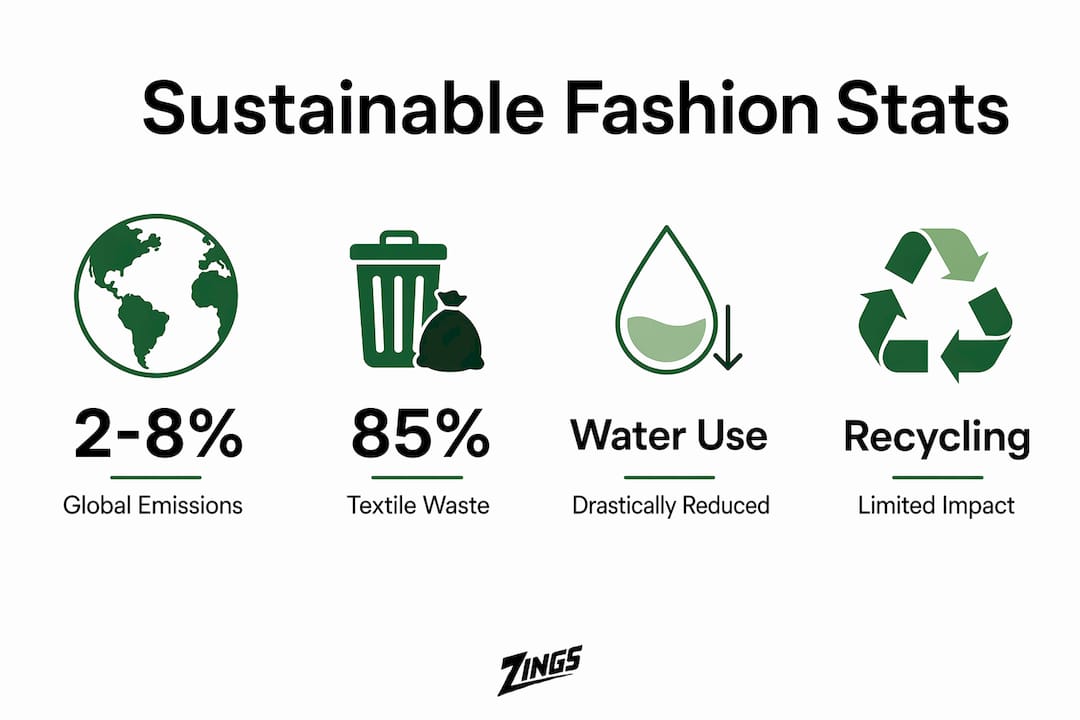
Textile waste compounds the problem. With 85% of textiles discarded annually through landfill or incineration, the volume of clothing treated as disposable is staggering. Synthetic fibers like polyester shed microplastics during washing, which enter waterways and accumulate in marine ecosystems. These microfibers are too small to be captured by most wastewater treatment systems, making prevention at the design stage the most effective solution.
| Environmental Issue | Conventional Fashion | Sustainable Approach |
|---|---|---|
| Carbon emissions | 2%–8% of global CO2 | Reduced through renewable energy and lower-impact materials |
| Water use | High (conventional cotton) | Up to 81% less with organic cotton |
| Textile waste | 85% to landfill annually | Extended garment life, recycled fibers, circular design |
| Microplastic pollution | High from synthetic fibers | Natural and biodegradable fiber alternatives |
Pro Tip: When reading a brand’s sustainability claims, look for specific metrics on water and carbon reduction rather than general statements like “eco-conscious.” Numbers are harder to fake than adjectives.
Understanding clothing material choices is one of the most direct ways to reduce your personal fashion footprint. The fiber a garment is made from determines much of its environmental cost before it ever reaches your closet.
How does sustainable fashion address social responsibility and labor ethics?
The fashion industry employs over 430 million people globally, making it one of the largest employers on earth. That scale creates enormous responsibility. Despite decades of public pressure and industry pledges, many garment workers still earn below living wages and work in unsafe conditions.
Ethical fashion and sustainable fashion are related but distinct concepts. Consumers often conflate the two, but they address different problems. Ethical fashion focuses on labor rights, fair pay, and safe working conditions. Sustainable fashion focuses on environmental impact. A brand can score well on one and poorly on the other.
The most credible brands address both simultaneously. Key markers of social responsibility include:
- Living wage commitments with published wage data, not just minimum wage compliance
- Factory transparency through published supplier lists and third-party audits
- Safe working conditions verified by independent organizations, not self-reported
- No forced or child labor with supply chain tracing beyond the first tier of suppliers
- Worker representation through unions or formal grievance mechanisms
Pro Tip: Check whether a brand publishes its full supplier list. Brands that do are far more likely to have genuine oversight of labor conditions than those that only mention “ethical sourcing” in general terms.
The social and environmental dimensions of garment sustainability reinforce each other. Factories that invest in worker welfare tend to also invest in cleaner production processes. Brands that cut corners on wages often cut corners on environmental compliance too. Reviewing ethical clothing brand standards gives you a clearer picture of what genuine accountability looks like in practice.
What is circularity in sustainable fashion and why does it matter?
A circular economy in fashion means designing garments to be reused, repaired, and eventually recycled rather than discarded. The current system is almost entirely linear: make, sell, wear briefly, throw away. The recycling data confirms how broken the loop is. Less than 1% of clothing materials worldwide are recycled back into new garments.
That statistic matters because recycling is often presented as the solution to fashion waste. The reality is that fiber-to-fiber recycling technology is still limited, expensive, and not available at scale. Blended fabrics, which combine cotton and polyester in a single garment, are especially difficult to separate and recycle. Designing for circularity means avoiding those blends from the start.
Extending garment life is the most practical circular strategy available right now. Extending a garment’s active life by just nine months can reduce its carbon, water, and waste footprint by 20%–30%. That reduction comes from spreading the environmental cost of production across more uses. A coat worn for ten years has a far lower per-wear footprint than one worn for one season.
Consumer behavior drives circularity more than technology does. Buying less, caring for garments properly, repairing instead of replacing, and reselling or donating at end of use all extend the life cycle of clothing without requiring any new infrastructure.
How can you tell genuine sustainable fashion from marketing claims?
There is no legally binding definition of sustainable fashion. That gap allows brands to use terms like “conscious,” “eco-friendly,” and “green” without independent verification. The absence of a legal standard is the single biggest obstacle to informed consumer choice.
Greenwashing, the practice of making misleading environmental claims, is widespread in fashion marketing. Recognizing it requires looking past surface-level language. Reliable signals of genuine sustainability include:
- GOTS certification (Global Organic Textile Standard): covers organic fiber content and social criteria throughout processing
- OEKO-TEX Standard 100: tests for harmful substances in finished textiles
- Fair Trade certification: verifies fair wages and safe conditions for producers
- B Corp status: measures overall social and environmental performance across the company
- Published carbon reduction targets aligned with science-based standards
“Conscious fashion” is often a marketing umbrella with no standard definition. Treat such labels as a prompt to research further, not as a guarantee of sustainability. A brand that relies on recycled packaging while using virgin synthetic fibers in its garments has not made a meaningful environmental improvement.
Transparency across the full supply chain is the clearest indicator of genuine commitment. Brands that publish supplier names, audit results, and emissions data are accountable in ways that brands relying on vague language are not.
What practical steps can you take to build a sustainable wardrobe?
Building a sustainable wardrobe does not require replacing everything you own. The most effective first step is shopping your own closet. Wearing what you already have costs nothing and produces zero new emissions.
-
Shop secondhand first. Choosing secondhand dramatically reduces environmental impact compared to buying new, even when new items carry sustainability labels. Thrift stores, resale platforms, and clothing swaps all extend the life of existing garments.
-
Buy fewer, better pieces. A higher-quality garment worn 100 times has a lower per-wear footprint than a cheap garment worn 10 times. Prioritize construction quality, seam strength, and fabric durability when evaluating a purchase.
-
Choose natural and organic fibers. Linen, organic cotton, and wool biodegrade at end of life and generally have lower processing impacts than synthetics. Check for GOTS or OEKO-TEX certification to verify fiber claims.
-
Develop a personal style independent of trend cycles. Fostering a personal style that does not depend on fast fashion trends significantly reduces consumption. Classic, versatile pieces stay relevant longer and get worn more often.
-
Research brand transparency before buying. Look for published supplier lists, third-party certifications, and specific environmental targets. Vague commitments without data are a warning sign, not a reassurance.
-
Care for garments to extend their life. Washing at lower temperatures, air drying, and following care instructions all reduce wear on fabric and lower energy use. Proper care is one of the most underrated sustainability tools available.
Balancing sustainability with budget is a real consideration. Affordable fashion choices and sustainable values are not mutually exclusive when you prioritize secondhand shopping and cost-per-wear thinking over upfront price alone.
Key Takeaways
Sustainable fashion requires addressing environmental impact, social responsibility, and circular design together. No single attribute makes a garment or brand genuinely sustainable.
| Point | Details |
|---|---|
| Definition covers three pillars | Environmental impact, social responsibility, and circular design must all be addressed. |
| Material choice drives footprint | Organic cotton uses up to 81% less water than conventional cotton, making fiber selection critical. |
| Circularity is underdeveloped | Less than 1% of clothing is recycled into new garments; extending garment life is the most effective strategy now. |
| Certifications signal credibility | GOTS and OEKO-TEX provide independent verification that brand claims alone cannot offer. |
| Secondhand beats new | Buying secondhand reduces environmental impact more reliably than buying new items labeled as sustainable. |
The uncomfortable truth about sustainable fashion I’ve learned
Most people approach sustainable fashion as a shopping problem. They want to know which brands to buy from so they can feel good about their purchases. After years of watching this space, I think that framing is the core of the problem.
The most sustainable garment is almost always the one you already own. The fashion industry has done a remarkable job of redirecting the sustainability conversation toward consumption choices rather than consumption volume. Certifications matter, materials matter, and labor conditions matter. But none of those factors offset the impact of buying more than you need.
I’ve also learned to be skeptical of single-attribute claims. A brand that leads with “made from recycled bottles” while producing thousands of new styles each season has not solved anything. Genuine sustainability requires looking at the whole system, not just the most marketable feature. The brands worth trusting are the ones that publish uncomfortable data alongside their achievements.
The practical lesson is this: buy less, wear longer, and demand transparency. Those three behaviors do more for garment sustainability than any certification or material innovation currently available. Incremental improvement beats waiting for the perfect sustainable option that may never exist.
— TONY
Quality pieces worth wearing longer at Zings365
Sustainable wardrobe building starts with choosing pieces designed to last. Zings365 carries a range of well-constructed men’s and women’s clothing built for repeated wear across seasons, not single-use trend cycles.

The Fall Men’s British Casual Fashion Shirt at Zings365 is a strong example of a versatile, season-spanning piece that earns its place in a considered wardrobe. For women, the Wool Coat for Women offers a natural fiber option with the durability and classic cut that supports a cost-per-wear approach to dressing. Browse the full catalog at Zings365 to find pieces that fit your style and your values without requiring a complete wardrobe overhaul.
FAQ
What is the simplest definition of sustainable fashion?
Sustainable fashion is the practice of making and buying clothing in ways that reduce environmental harm and protect workers throughout the supply chain. It covers materials, production, use, and end-of-life disposal.
What is the difference between sustainable and ethical fashion?
Sustainable fashion focuses on environmental impact, while ethical fashion focuses on labor rights and fair wages. The two concepts overlap but address different problems, and the strongest brands address both.
What certifications should I look for in sustainable clothing?
GOTS (Global Organic Textile Standard) and OEKO-TEX Standard 100 are the most credible third-party certifications for sustainable textiles. They verify fiber content, chemical safety, and in the case of GOTS, social criteria as well.
Is secondhand shopping more sustainable than buying certified new clothing?
Secondhand shopping reduces environmental impact more reliably than buying new items, even those with sustainability certifications, because it extends the life of existing garments rather than creating demand for new production.
Why is recycling not the solution to fashion waste?
Less than 1% of clothing is currently recycled into new garments. Fiber-to-fiber recycling technology is limited and cannot handle blended fabrics at scale, making garment longevity and reduced consumption far more effective strategies right now.
